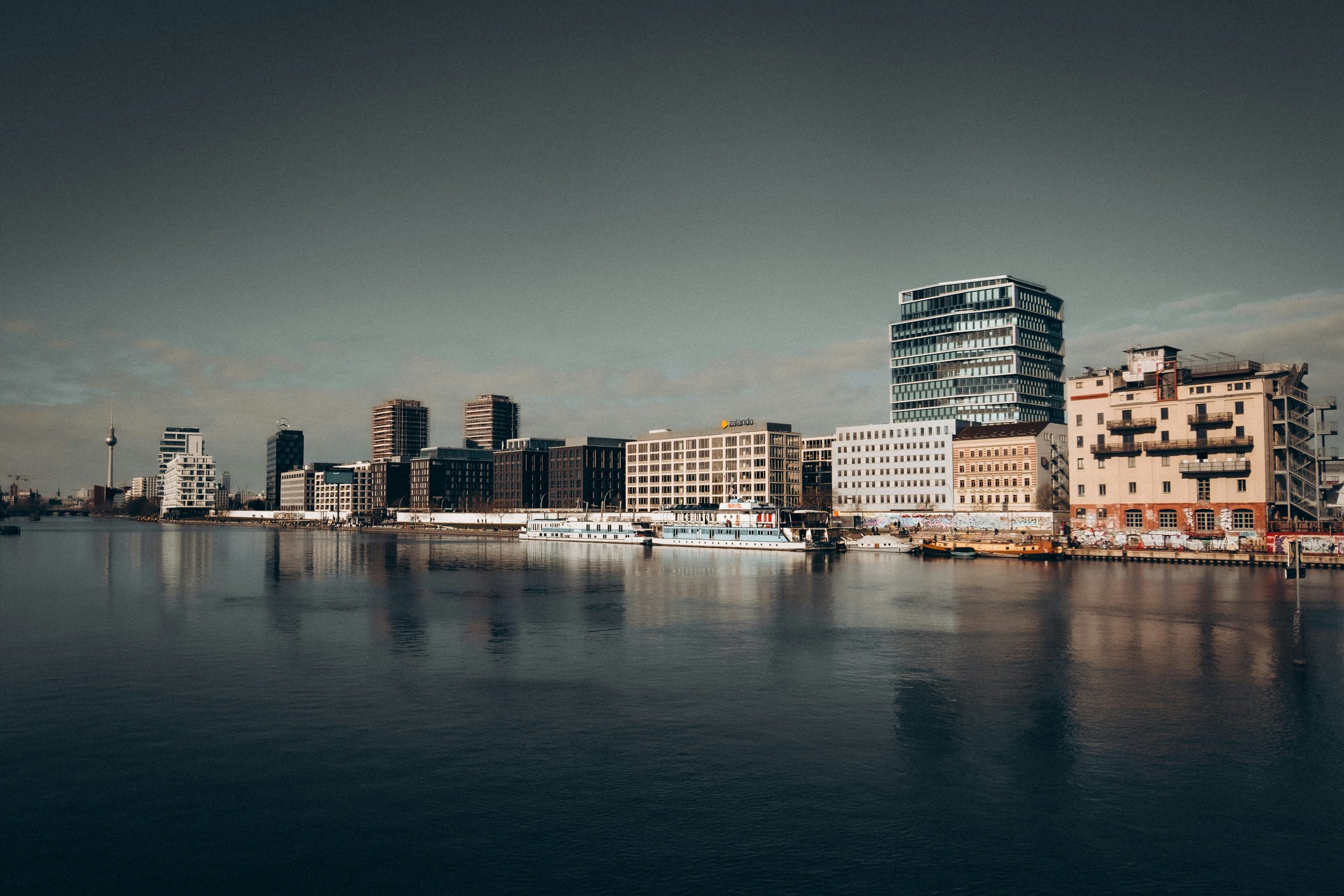
BNP Paribas Real Estate publishes market figures for Q4 2025
The transaction volume in Berlin totalled around €3.25 billion, slightly below the previous year’s result (-8.5%). The average of the last three years, on the other hand, was slightly exceeded at just under 5%. Against the backdrop of the still difficult environment for the investment markets, the result is quite satisfactory. This is especially true when you consider that around one billion euros of last year’s turnover is attributable to the sale of Signa’s KaDeWe to the Central Group. If this extraordinary financial statement is disregarded, the investment volume would have increased by almost a quarter. The largest transaction of the year in the capital was the sale of the Upper West for more than €400 million. This is the result of the analysis by BNP Paribas Real Estate.
As in previous years, Berlin has again taken the lead in 2025 by a wide margin. With €3.25 billion achieved across all asset classes, the capital is well ahead of Munich with €2.56 billion (-5% compared to 2024). The management trio is completed by Hamburg with almost €1.9 billion (-17% compared to 2024).
“Different developments can be observed in prime yields. While 4.25% is to be applied to offices, as in the previous year, prime yields for premium commercial buildings in prime locations rose by 15 basis points to 3.85% and for logistics properties by 25 basis points to 4.50%,” explains Jan Dohrwardt, Managing Director and Berlin Branch Manager of BNP Paribas Real Estate GmbH.
Office properties clearly at the top again
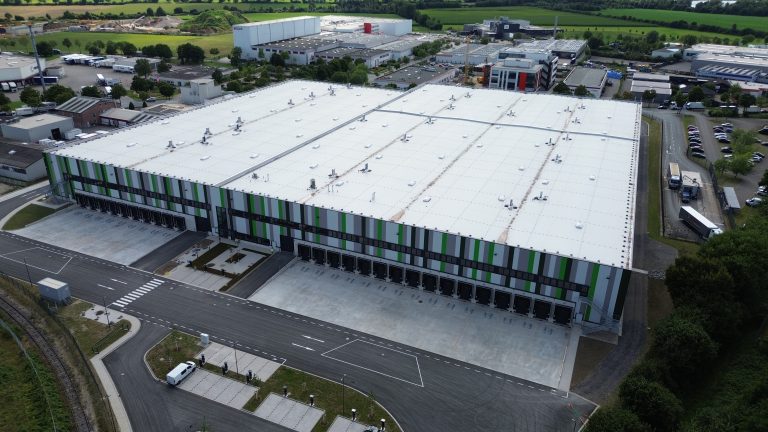
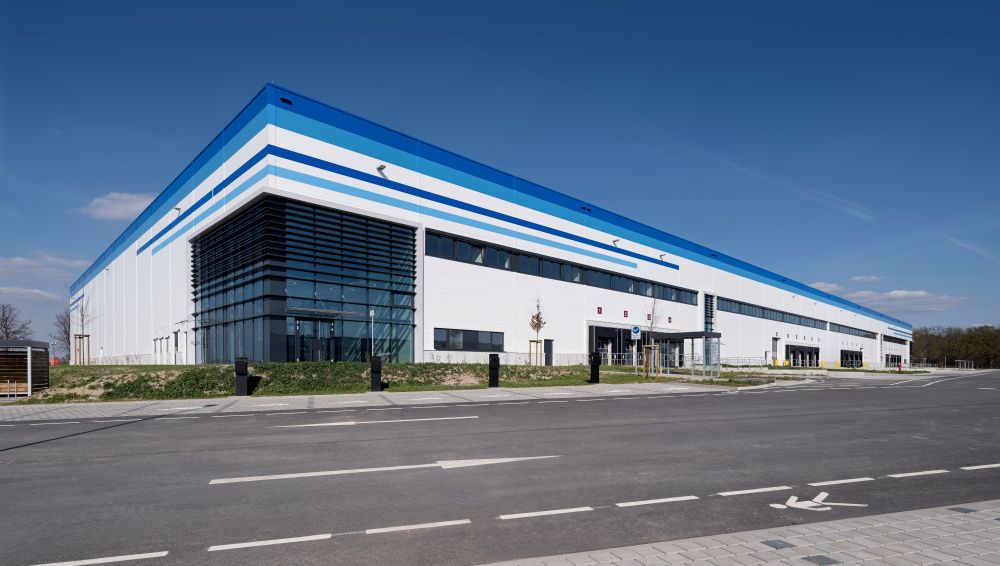
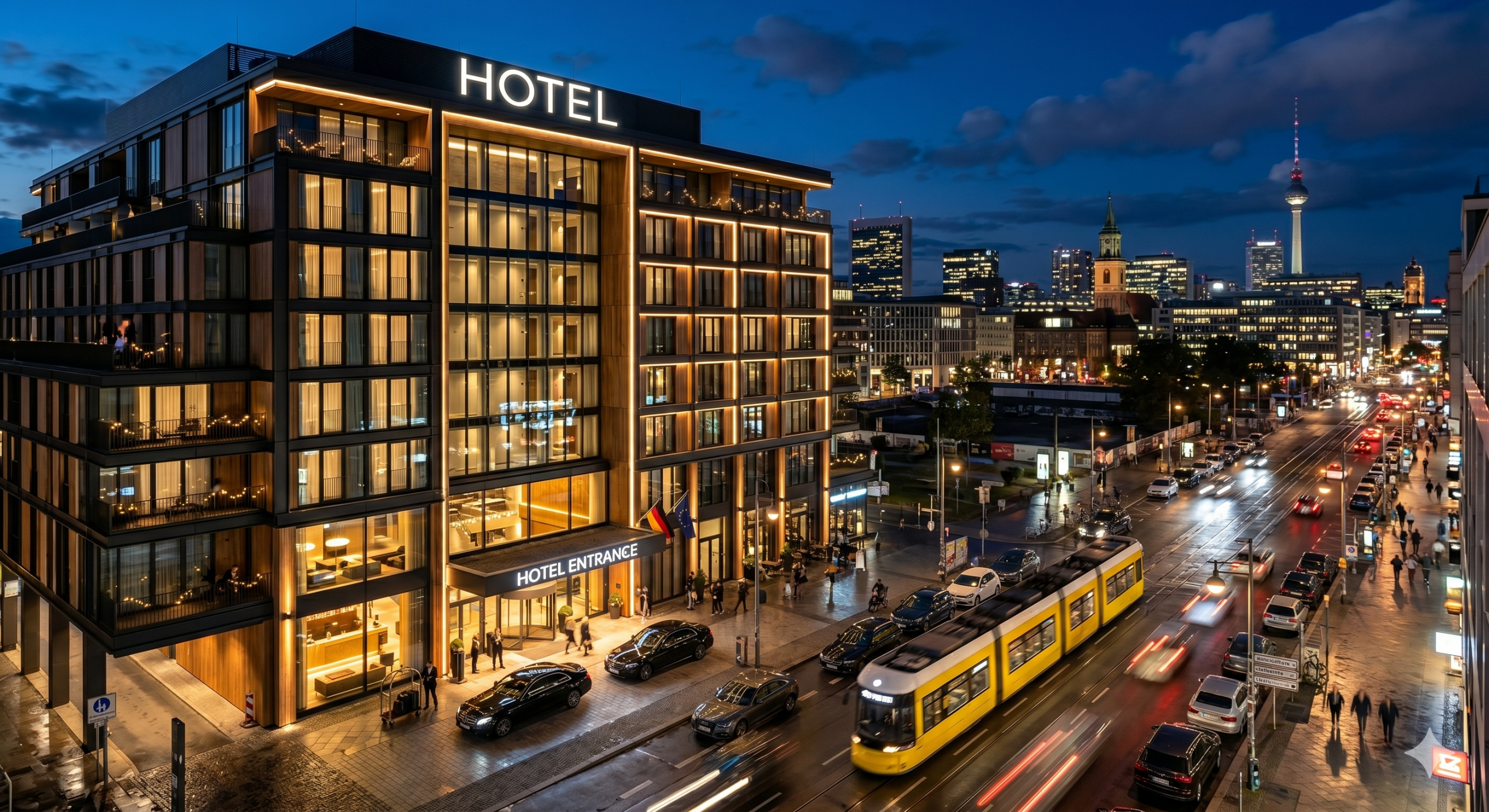
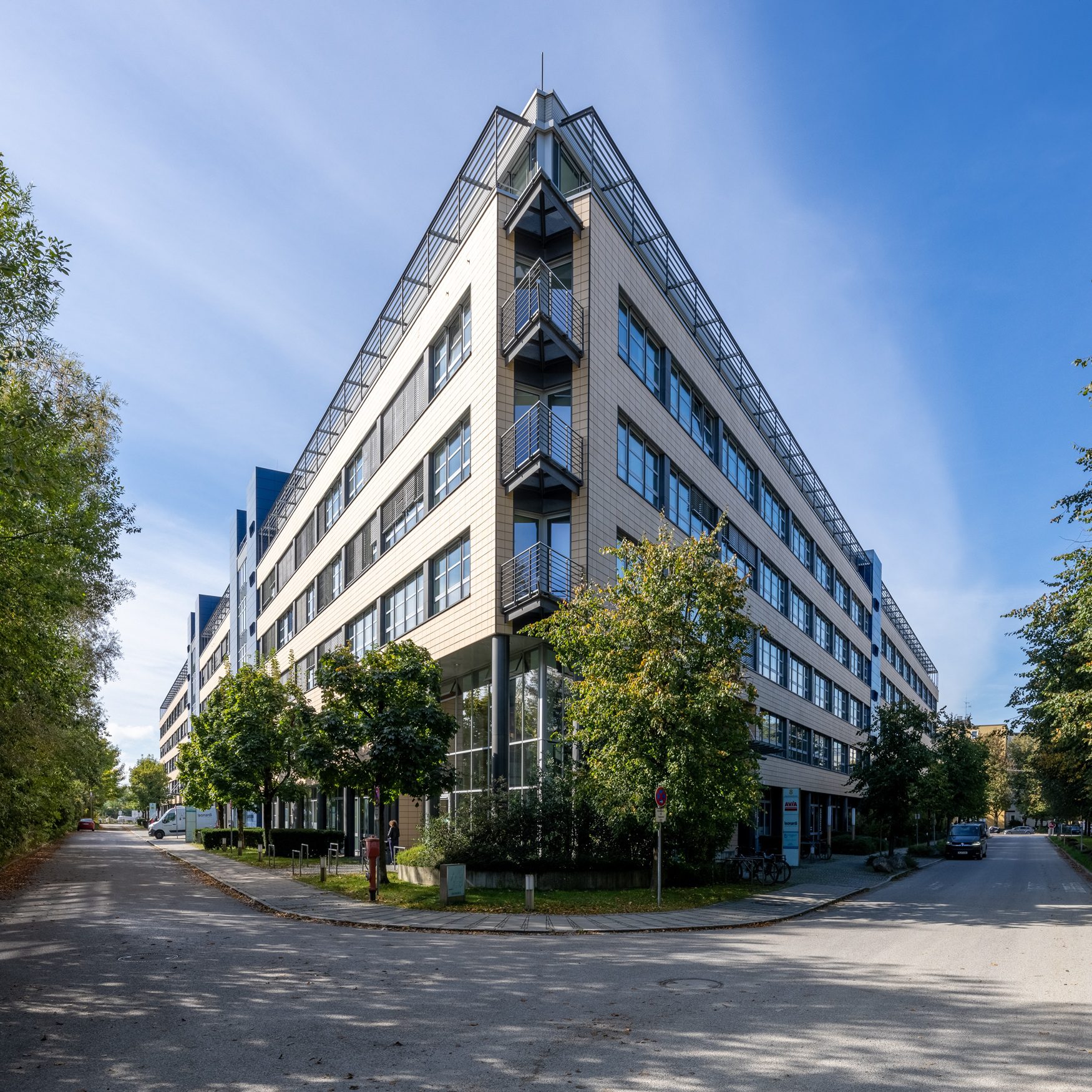
The distribution of the investment volume among the individual asset classes is different from the previous year. With a share of just over 48%, office properties are once again clearly at the top and have reached the level of their long-term average. The sale of the Upper West, brokered by BNPP RE, made a significant contribution to this. The retail properties, which were still leading mainly due to the sale of KaDeWe last year, follow in second place with just under 16% and remain slightly below their usual share. Logistics investments (11%) and hotels (8%) are in second place. Development properties are primarily responsible for the relatively high share of the other category. This shows that project developers continue to be convinced of a long-term positive development of the Berlin investment market.
Although large-volume deals in the three-digit million range contribute the most to sales at around a third, they are still noticeably lower than in the long-term comparison, where it is around 50%. The absolute transaction volume increased significantly, especially in the mid-size classes between €25 million and €100 million.
In 2025, central locations were particularly in demand. The most investments were made in the city area with a good 41%, followed by locations on the outskirts of the city with a good 30%. The top city, which is characterized by large office properties, accounts for almost 22% of investment turnover.
Prospects
The further development of Berlin’s investment market will be determined primarily by overarching trends that only partially reflect the concrete framework conditions in the capital. These include, above all, global aspects, which stand in particular for uncertainty and rapidly changing influencing parameters.
“The fact that the capital is still considered by investors to be an extremely interesting location is shown not least by the fact that the proportion of foreign buyers remains very high at just under 50% and benchmark deals, such as the sale of the Upper West, are also being realized again,” adds Jan Dohrwardt.
Against this background, it will primarily depend on whether the German economy manages to translate the slight improvement in sentiment currently observed and the expected effects of the Federal Government’s special infrastructure fund into growth. From today’s perspective, there is a realistic chance that the economy could pick up noticeably again in 2026 for the first time in three years. This would also benefit the user markets, which could contribute to a revival of investment activities. In addition, the financing environment should stabilize and thus increase planning security for investors. In summary, a slight increase in the investment volume in the current year seems quite likely.