
Infrastructure
The importance of the infrastructure asset class is increasing continuously: transportation, energy and communication projects as well as social infrastructure properties are of great social importance and have a sustained need for capital.
Top contribution
















Infrastructure Investments – News & Analysis | ASSETPHYSICS
Infrastructure Investments – News, Market Analysis and Background Knowledge
This category brings together current news, specialist articles and market analyses on the infrastructure asset class. The content is aimed at institutional investors, asset managers, pension funds, insurers, sovereign wealth funds and family offices for whom infrastructure investments are a central component of strategic asset allocation.
What is Infrastructure as an Asset Class? – Definition
Infrastructure investments refer to capital investments in physical assets and facilities that serve the basic needs of the economy and society. These include transport networks (roads, rail, airports, ports), energy supply and renewable energy (electricity and gas grids, wind farms, solar power plants), digital infrastructure (data centres, fibre-optic networks, radio towers), utilities and waste management (water supply, wastewater, waste management) as well as social infrastructure (hospitals, schools, government buildings).
As an investment object, infrastructure assets are characterised by common structural features: they are capital-intensive, long-lived, socially indispensable, often regulated or contractually secured, and generate stable, predictable cash flows over long periods. Because of their often monopoly-like position, user demand and pricing power are largely resistant to economic fluctuations.
Infrastructure investments can be made as both equity and debt. Investments are made through unlisted infrastructure funds, listed infrastructure funds, direct investments and co-investments. Public-private partnerships are another important access route, especially for social infrastructure projects.
Key Terms: Greenfield, Brownfield and Risk Strategies
Depending on risk appetite and return targets, institutional investors distinguish between several strategy levels, defined by the stage of development of the asset and the security of its cash flows.
Core infrastructure includes fully developed, already operating assets with secured regulatory or contractual cash flows – for example electricity transmission grids, regulated water pipelines or public toll roads. The risk profile is low, returns correspondingly more moderate, and the duration typically very long. Core infrastructure is considered the most stable and least liquid segment of the asset class.
Core-plus infrastructure includes assets with somewhat more operational risk or a certain development component, but still offers largely stable base returns. Typical examples are airports with growth potential, ports or telecommunications infrastructure with partial market risk.
Value-add and opportunistic infrastructure contains a significantly higher risk component: assets under development, restructuring or with substantial operational leverage. The return potential is correspondingly higher, but the risk of capital loss is also relevant. Greenfield projects – the construction of an asset from scratch – offer the highest risk-return profiles within the asset class.
Infrastructure debt refers to the loan financing of infrastructure projects by institutional investors instead of, or in addition to, banks. The structure resembles private debt: senior secured, long-term loans with regular interest payments and embedded inflation adjustment. Infrastructure debt has established itself as an independent subcategory among insurers due to regulatory capital advantages under Solvency II.
Why Infrastructure is Growing in Institutional Portfolios
Within just a few decades, infrastructure has developed from a niche allocation into one of the most widely used alternative asset classes among institutional investors. Worldwide, the 75 largest institutional infrastructure investors most recently allocated a record total of around USD 796 billion to the asset class. The structural reasons for this growth are long-lasting in nature.
The first and most important driver is the cash flow profile. Infrastructure assets generate long-term income streams that are contractually fixed or regulatorily secured and are often linked to inflation. For pension funds with long nominal liabilities and for insurers with duration management needs, this characteristic is structurally valuable.
The second driver is the low correlation with equities and bonds. Infrastructure investments – especially unlisted ones – show largely independent performance across the economic cycle. Unlisted infrastructure equity achieved an average annualised return of around 12.5 percent between 2010 and 2025, with volatility of only 2.9 percent – a risk-return profile that is rarely surpassed among alternative asset classes.
The third driver is the global investment requirement. The energy transition, digitalisation, urbanisation and the backlog of ageing public infrastructure in Europe and North America are creating an investment need that far exceeds available public funds. Global capital requirements of USD 10 to 20 trillion are expected for electricity and digital infrastructure alone by 2035 – an amount that cannot come close to being covered without private institutional capital. In Germany alone, according to current budget planning, EUR 500 billion in public funds is to flow into infrastructure during the current decade – and policymakers are actively seeking private co-financiers to multiply this amount.
The Most Important Sectors at a Glance
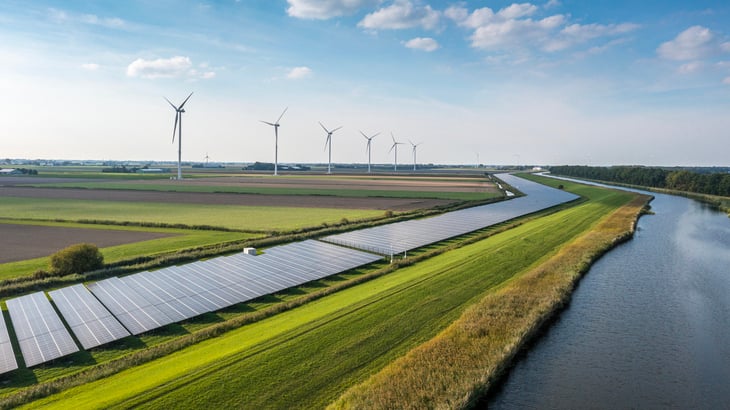
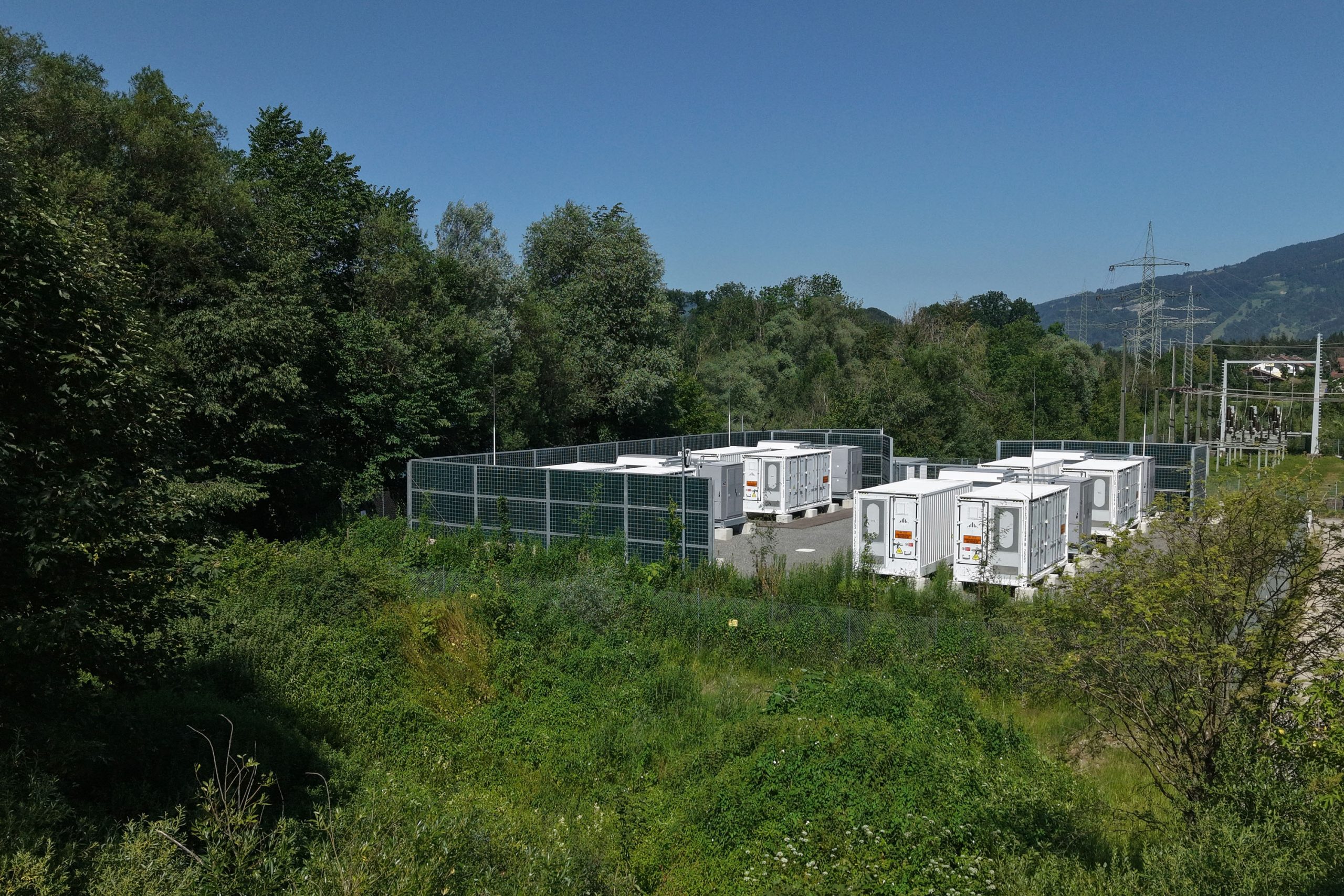
Energy infrastructure and renewable energy form the largest segment by volume and account for around half of all infrastructure portfolios of institutional investors. Wind energy, photovoltaics, battery storage, hydrogen infrastructure and electricity grids are at the centre of the energy transition investment agenda. Sixty-four percent of European institutional investors rank renewable energy as their preferred infrastructure sector.
Digital infrastructure is the fastest-growing segment. Data centres, fibre-optic networks, radio towers and satellite systems benefit from structurally rising demand driven by digitalisation, cloud computing and artificial intelligence. The global need for data centre capacity alone has accelerated significantly due to the AI boom since 2023.
Transport infrastructure includes toll roads, railway networks, airports and ports. The asset class is well established, offers regulated cash flow and has proven particularly resilient in periods of stress. The decarbonisation of the transport sector is creating new investment themes within this segment.
Utility infrastructure includes water and wastewater supply, gas grids and district heating. These assets are typically highly regulated, offer high planning certainty and are particularly suitable for core allocations with very long durations.
Social infrastructure includes publicly used facilities such as hospitals, schools, prisons and government buildings, often within the framework of public-private partnerships. The segment plays a larger role in the United Kingdom, Australia and France than in German-speaking countries, but is increasingly catching up there as well.
Opportunities and Risks for Institutional Investors
Infrastructure investments offer institutional portfolios several structural advantages: predictable inflation-linked returns, diversification relative to equities and fixed income, capital protection through hard assets, long investment horizons suited to long-term liabilities, and a social relevance that favours regulatory support.
The risks should nevertheless not be underestimated. Structural illiquidity means that capital is tied up for the life of the fund, which in infrastructure funds is typically ten to fifteen years. Political and regulatory risk is substantial, as infrastructure tariffs and concessions depend on government decisions. Construction and completion risks in greenfield projects can be significant. And the growing participation of private investors has led to valuation increases in some segments that could limit future return potential.
Typical institutional allocations range between three and ten percent of the total portfolio. Pension funds tend to favour equity structures, while insurers prefer infrastructure debt because of more favourable Solvency II capital treatment.
Frequently Asked Questions About Infrastructure Investments
What is the difference between infrastructure equity and infrastructure debt? Infrastructure equity means that the investor acquires ownership stakes in an infrastructure asset and participates in value appreciation and distributions. The risk is higher, but so is the return potential. Infrastructure debt means that the investor grants a loan to the infrastructure company or project – with fixed or variable interest payments, contractual maturity and senior claim in the event of insolvency. Infrastructure debt resembles private debt, but is structurally secured by the quality of the underlying physical assets. Many institutional investors combine both access routes within the portfolio.
What do greenfield and brownfield mean in infrastructure investments? Greenfield investments refer to the financing of infrastructure projects that are built from the ground up – that is, without existing operations or secured cash flow. The risk is higher, but so is the return potential. Brownfield investments refer to the acquisition of already existing, operating infrastructure assets with established cash flow. They are less risky and particularly suitable for core and core-plus strategies. Most institutional first-time investors begin with brownfield allocations through unlisted funds.
What returns are realistic in infrastructure investments? Core infrastructure typically delivers returns of five to eight percent per annum – with high predictability and low volatility. Core-plus and value-add strategies target eight to twelve percent. Opportunistic and greenfield strategies can be higher, but carry a significantly higher risk profile. Infrastructure debt offers attractive returns of four to seven percent in the current interest-rate environment for senior loans, with greater security than equity.
How does infrastructure differ from real estate as an asset class? Both asset classes invest in tangible assets with long investment horizons and inflation protection. The key difference lies in cash flow stability and social indispensability: infrastructure users pay largely irrespective of the economic situation. Real estate cash flows are more market-dependent and more sensitive to the economic cycle. In volatile market phases, infrastructure has recently outperformed real estate, which has led to a shift in institutional allocations.
Which institutional investors is infrastructure investing particularly suitable for? The asset class is especially suitable for investors with long nominal liabilities and stable liquidity needs: pension funds and occupational pension schemes, life insurers, foundations and endowments, as well as sovereign wealth funds. Swiss pension funds have made infrastructure their most widely used alternative subcategory – with an average allocation of 2.5 percent. German institutional investors are catching up, driven by regulatory simplifications and public investment needs.
What is ELTIF 2.0 and why is it relevant for infrastructure investments? The European Long-Term Investment Fund is a European fund format that came into force in revised form at the beginning of 2024. The reform simplifies cross-border distribution, expands the permissible investment scope and lowers minimum investment thresholds. For infrastructure investments, ELTIF 2.0 is particularly relevant because it enables institutional and semi-professional investors to access private infrastructure strategies through a standardised vehicle that can be distributed across the EU – without the complex structuring of a special fund.
What role does the energy transition play in infrastructure investments? The energy transition is the most important structural driver for new infrastructure investments. The complete transformation of the global energy system is estimated to require more than USD 100 trillion over the next three decades – most of it in the form of infrastructure equity for renewable energy, grids, storage and hydrogen. For institutional investors, this means a historically unique combination of investment need, state support and long-term contractual structures that secure predictable returns.
This Area on ASSETPHYSICS
ASSETPHYSICS follows the global infrastructure investment market with a focus on institutional real asset investors. The category covers reports on fund closings and fundraising, deal analyses, regulatory developments, market commentary on energy infrastructure and digital infrastructure, as well as macroeconomic assessments for institutional portfolio decision-makers. The specialist articles complement the daily news feed with analytical depth and strategic context.