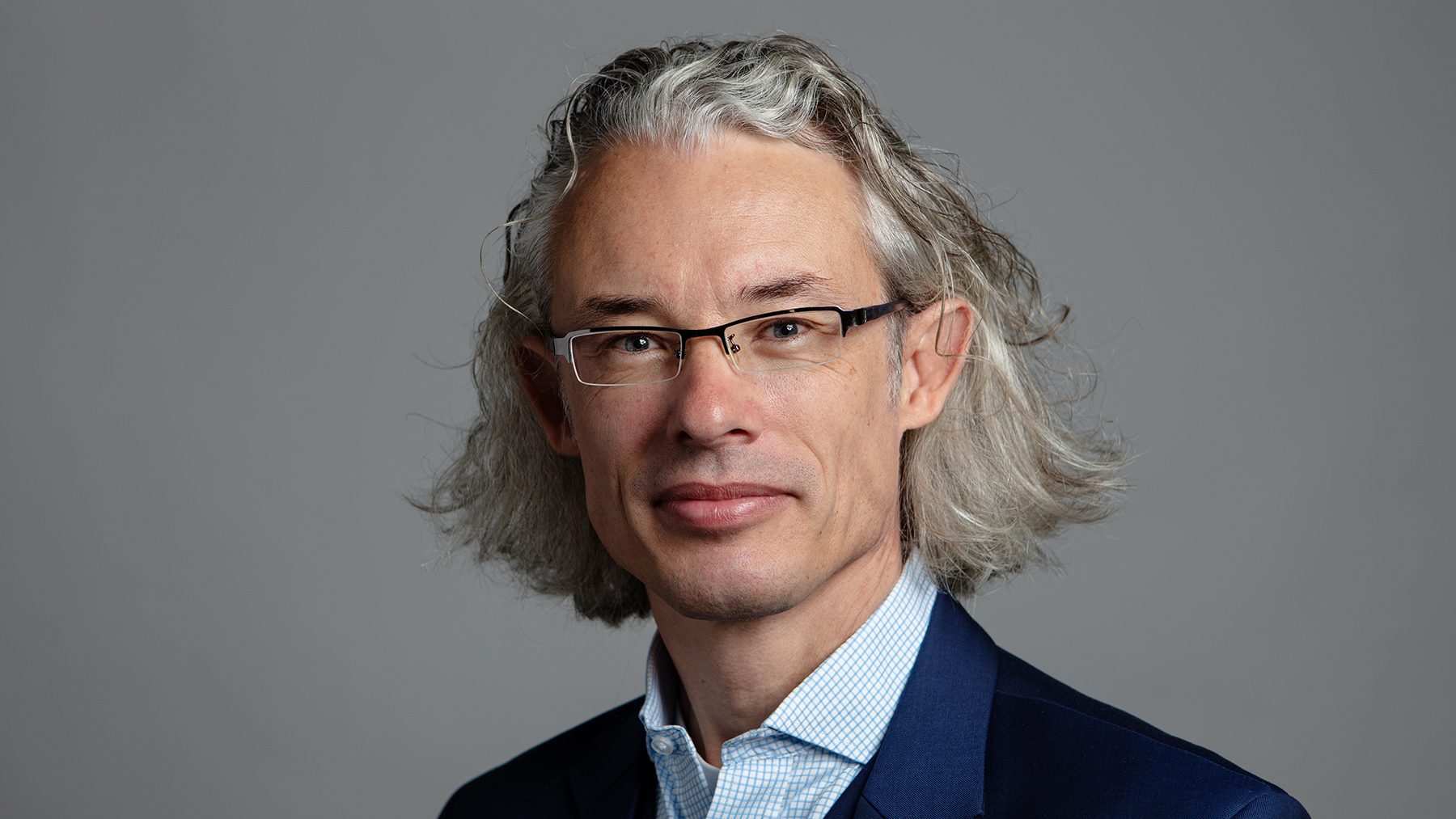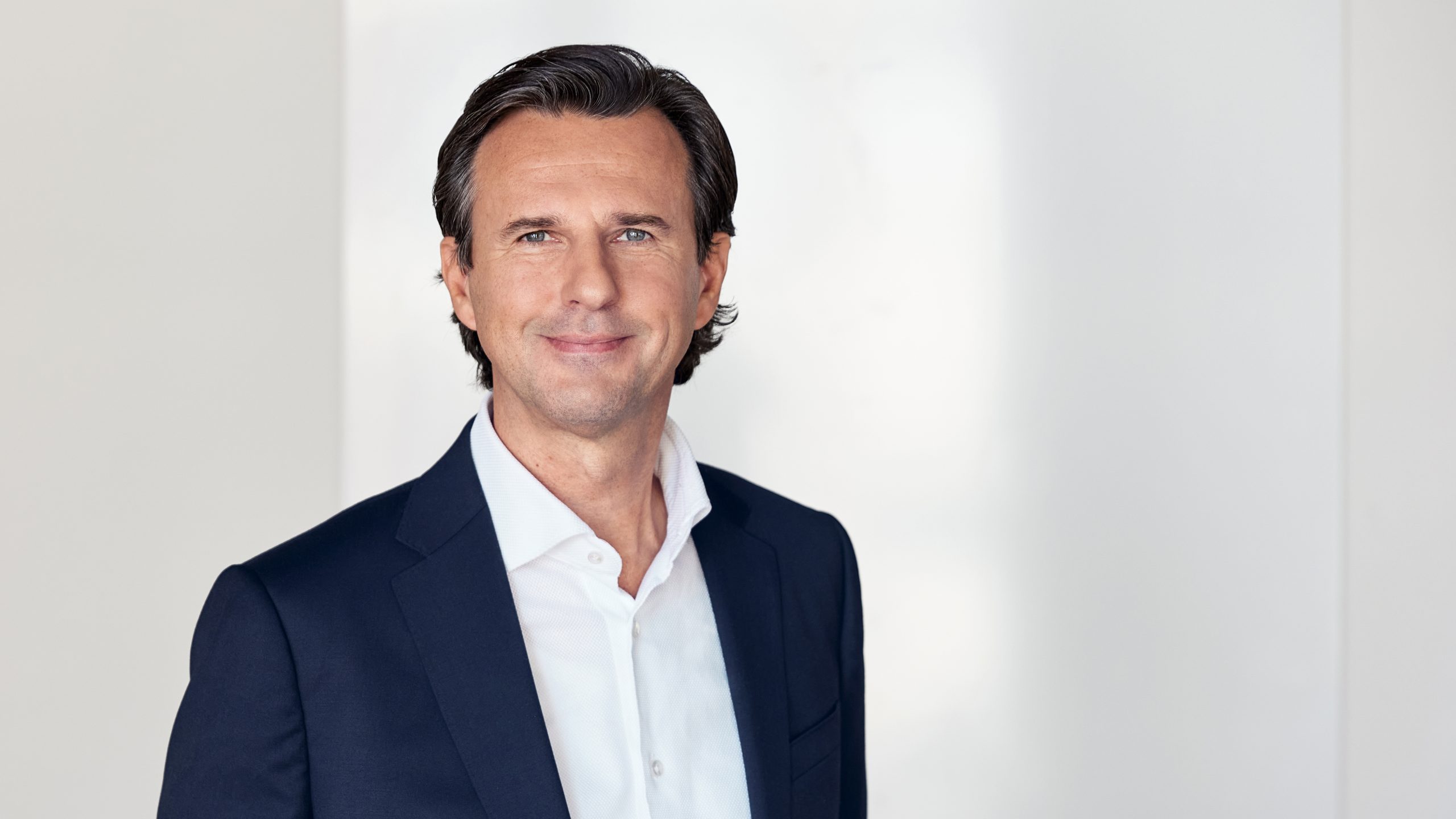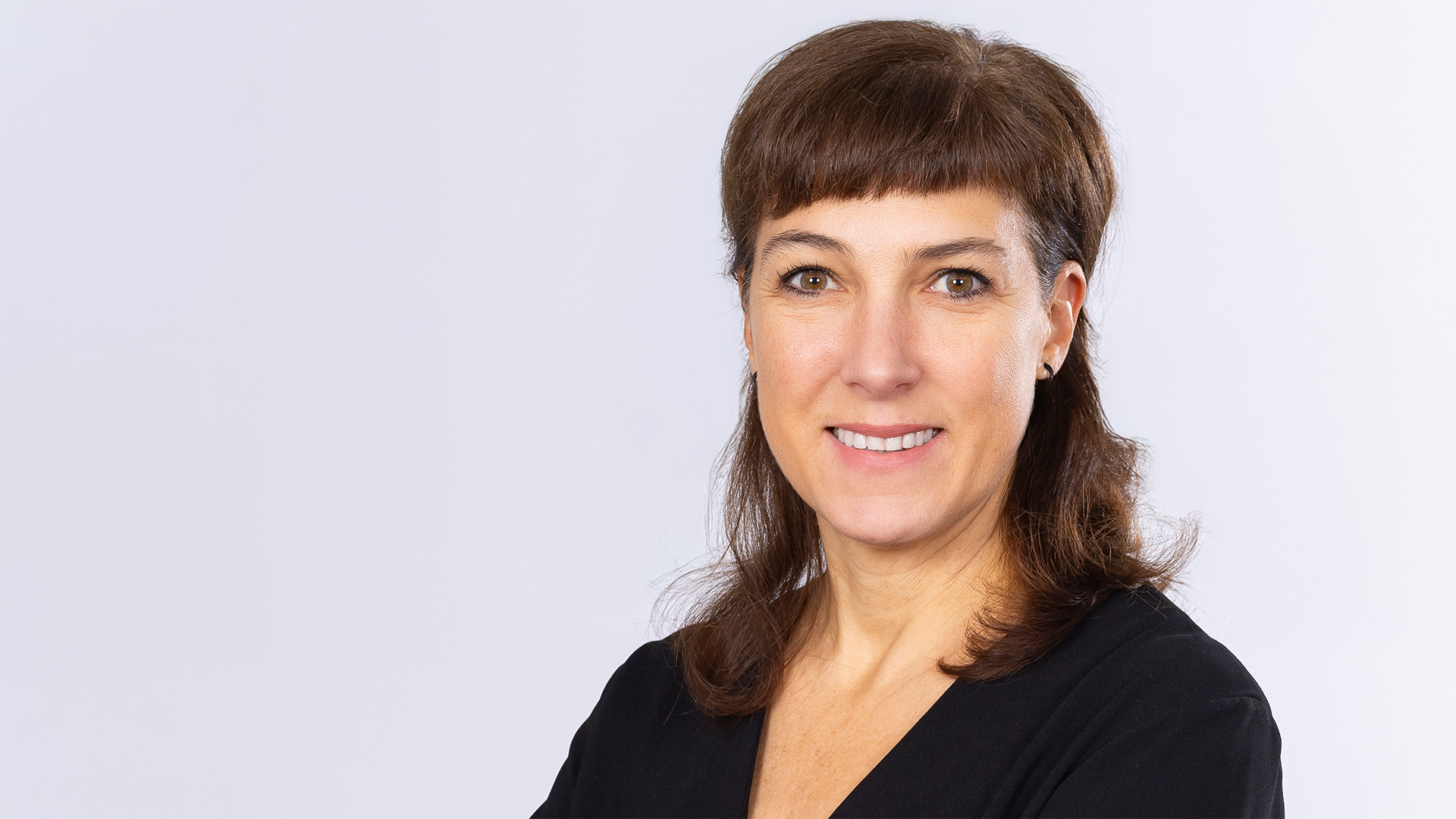
Germany’s educational infrastructure is under considerable pressure. By 2035, the number of pupils in Germany will increase by 430,000. At the same time, municipal investment requirements for schools amount to around 68 billion euros, but many municipalities lack the financial resources, staff and capacities to implement new construction and renovation projects independently. Against this background, educational real estate is increasingly becoming the focus of investors, project developers and municipalities. The role private capital can play in the expansion of schools, daycare centers and other educational institutions and why educational real estate is gaining in importance as an independent asset class was discussed by Robert Feldt, Investment Director at CapMan, Tanja Volksheimer, Managing Director and CIO of NEXT Generation Invest, and Jan Trenn, CEO of CELLS, at an online press conference organized by RUECKERCONSULT.
Nordic countries show how educational real estate is becoming an investment standard
In the Nordic countries, educational and social real estate has been one of the established asset classes for years. High state investment in education, long-term leases and a strong credit rating from the public sector create stable conditions for investors there. Unlike in Germany, social infrastructure in Scandinavia is not regarded as a niche market, but as an integral part of institutional real estate portfolios.
“The Nordic countries have been consistently investing in education for decades and have one of the most stable public finances in the world. This makes educational real estate an extremely reliable asset class,” says Robert Feldt, Investment Director at CapMan.
The importance of the sector is also reflected in its market size: in the Nordic countries, between 25 and 30 percent of all employees work in the public sector. The stock of schools, universities, administrative buildings and other social infrastructure facilities is correspondingly large. In some years, the segment was even one of the asset classes with the second or third largest investment volume in the real estate investment market.
“Social infrastructure is one of the largest and most liquid real estate segments in the Nordics. Because state-owned tenants ensure long-term and reliable cash flows, these properties remain tradable and attractive for investors even in times of crisis,” says Feldt.
Educational real estate is developing into an asset class in its own right
The need for investment in the German education sector has been growing for years. At the same time, many municipalities are coming under increasing financial pressure. For institutional investors, this opens up a market that combines social relevance with long-term stable returns. Long-term leases, often public or publicly funded users, and indexed leases ensure predictable cash flows and an attractive risk-return profile. Depending on the location, property quality and user structure, yields on school properties are currently between around 3.8 and 5.9 percent, which is at a level that is attracting great interest from institutional investors in the current market environment
“Educational real estate combines social impact with economic stability. Long-term leases, inflation-protected income and the high creditworthiness of many users create a risk-return profile that institutional investors are increasingly demanding, especially in volatile market phases,” says Tanja Volksheimer, Managing Director and CIO of NEXT Generation Invest.
According to Volksheimer, the German market is still at the beginning of a development that is already much more advanced in the Nordic countries. “Today, educational infrastructure encompasses much more than schools. Academies, further education centres, libraries or mixed-use educational campuses will play an increasingly important role in the future,” she explains.
She also observes a growing openness on the municipal side. “The cooperation between the public sector and private investors is much more professional today than it was ten or twenty years ago. Both sides are increasingly meeting at eye level.”
Frankfurt school campus shows potential for conversion
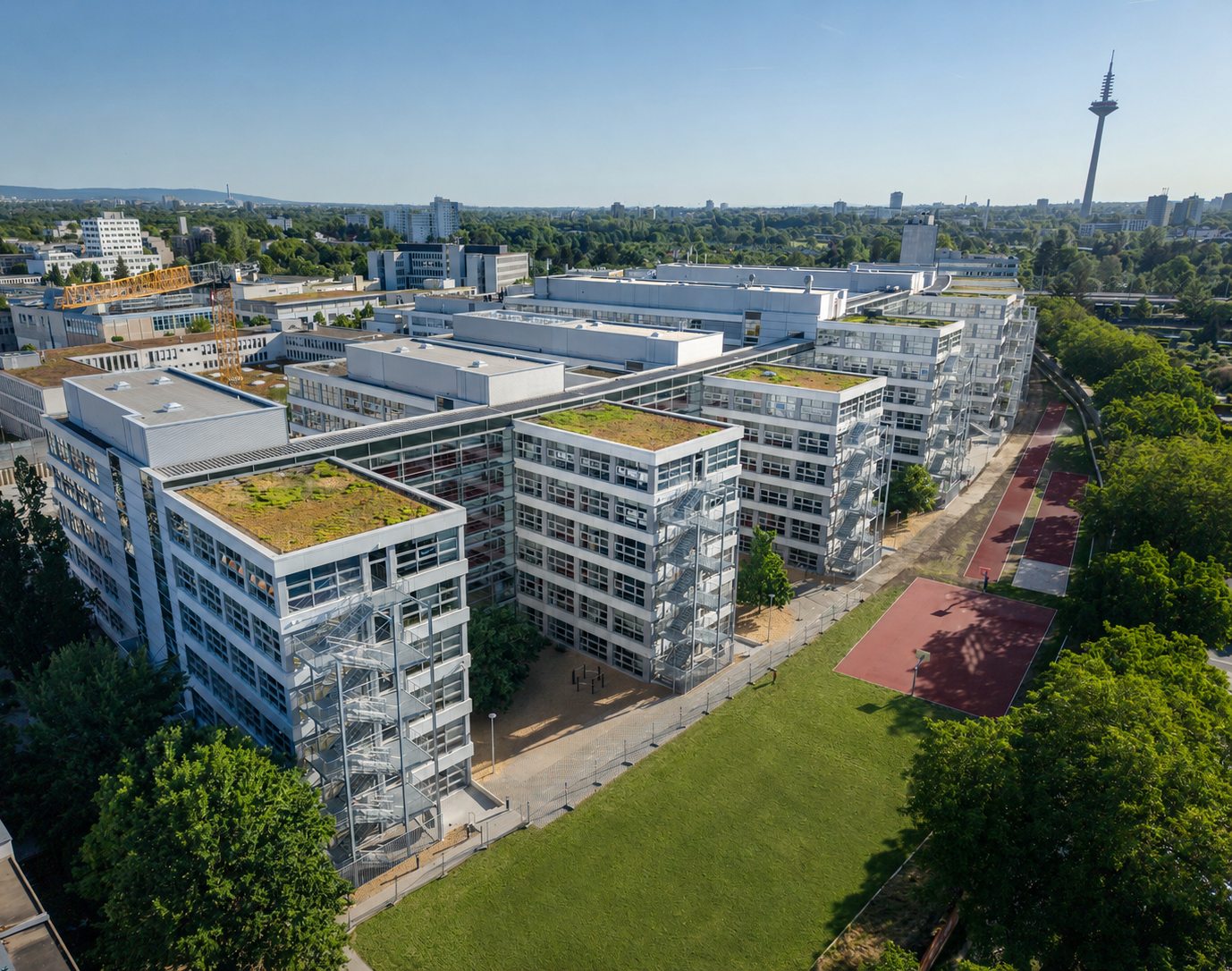
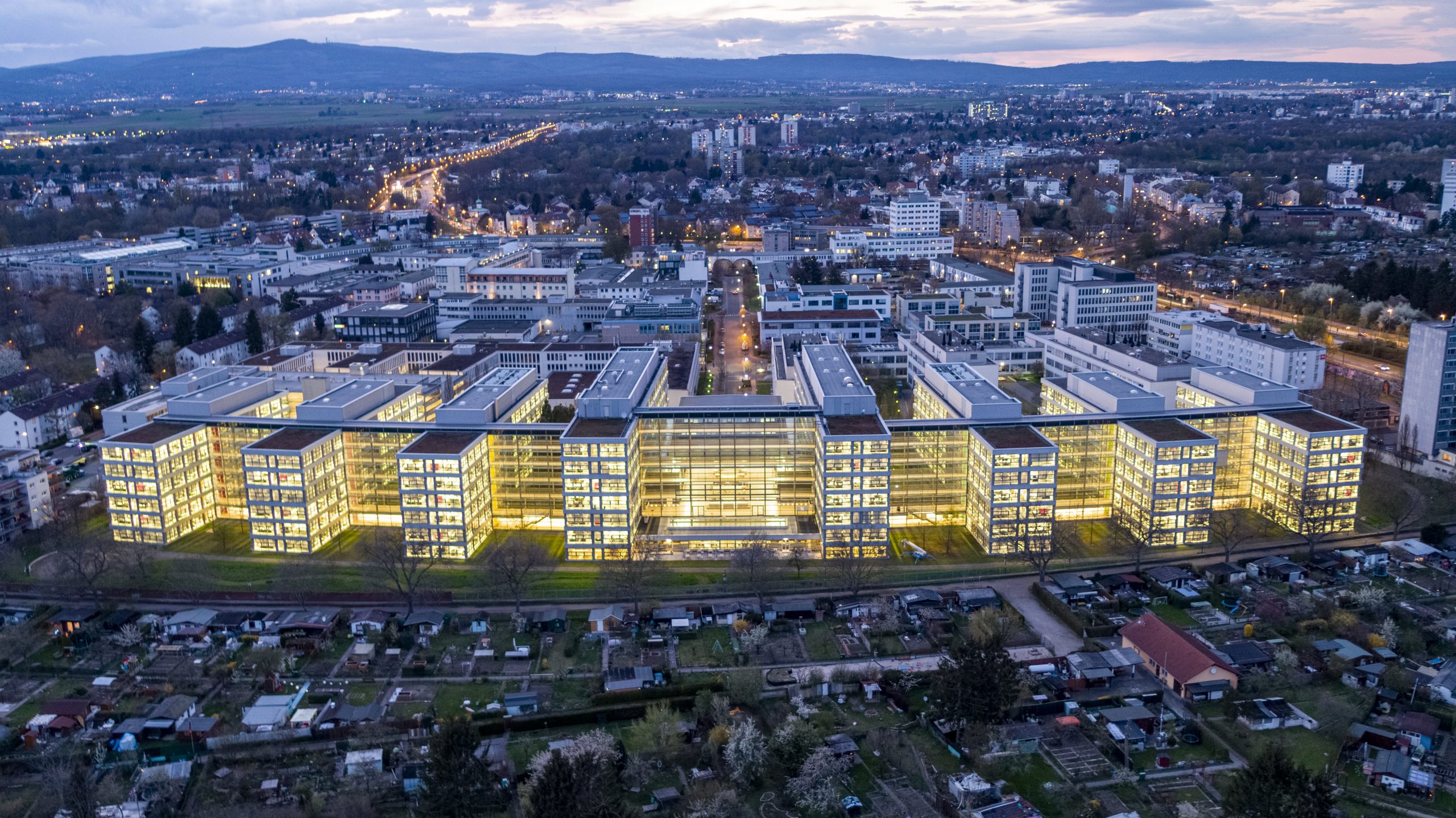
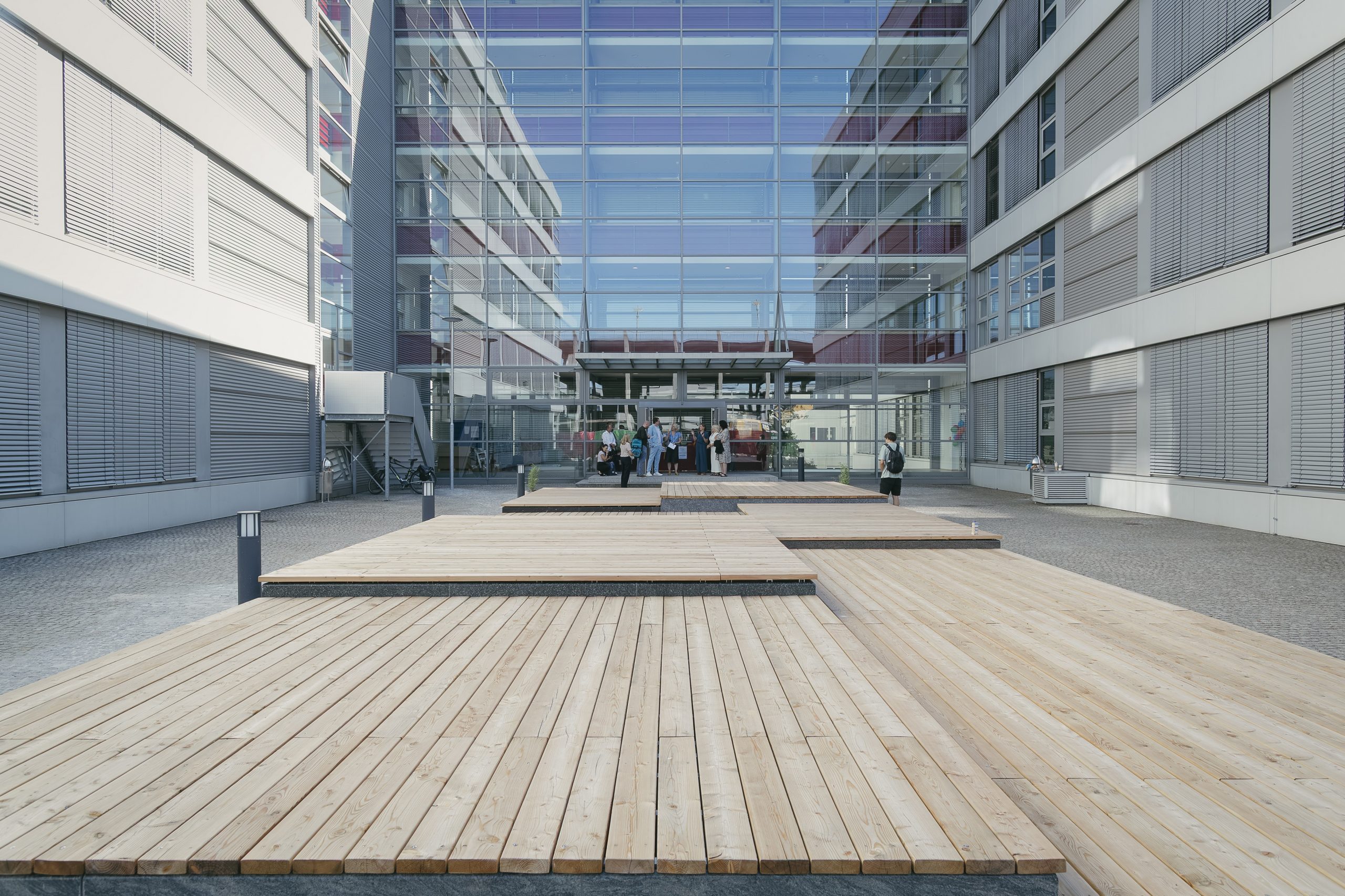
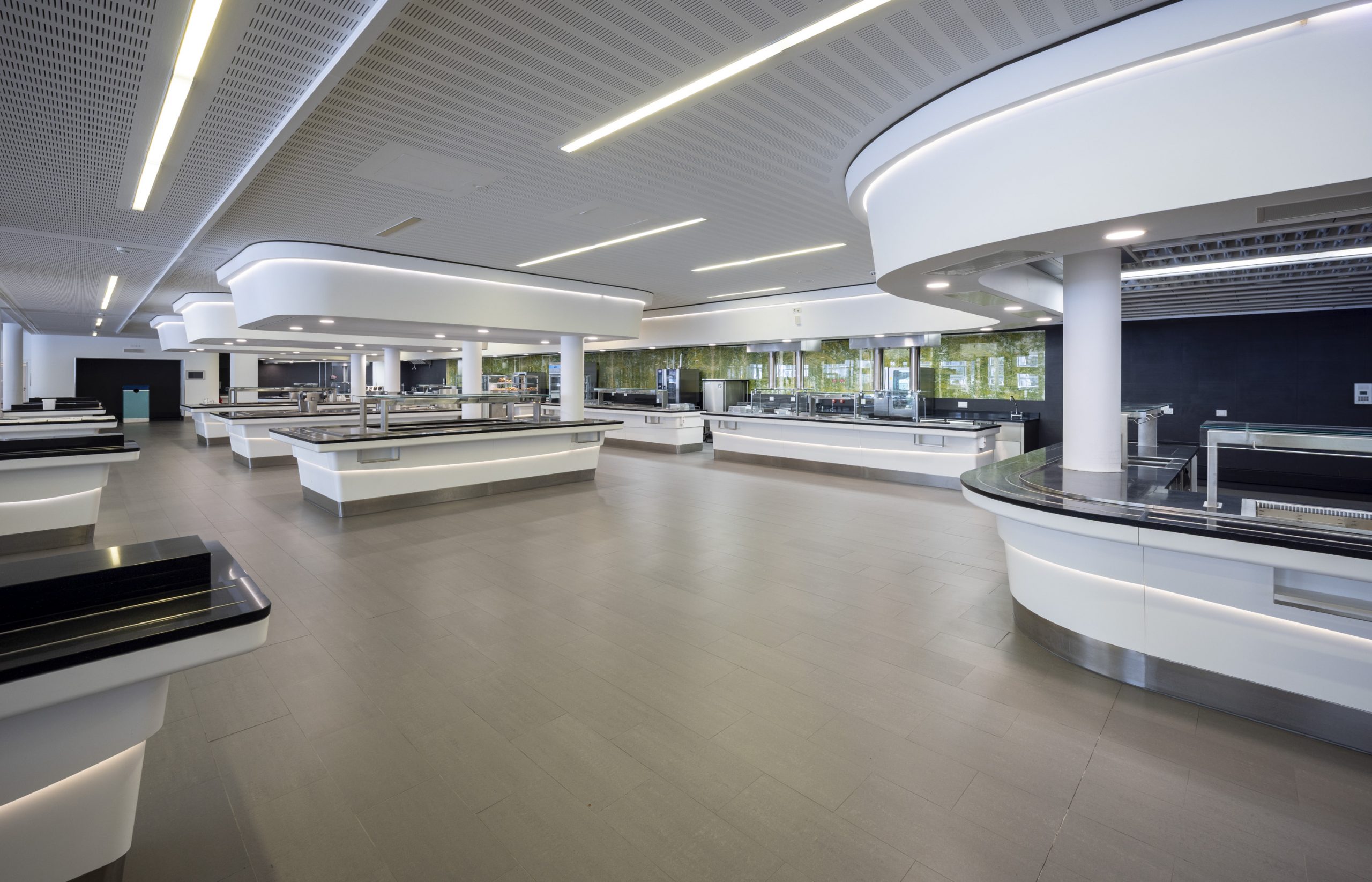
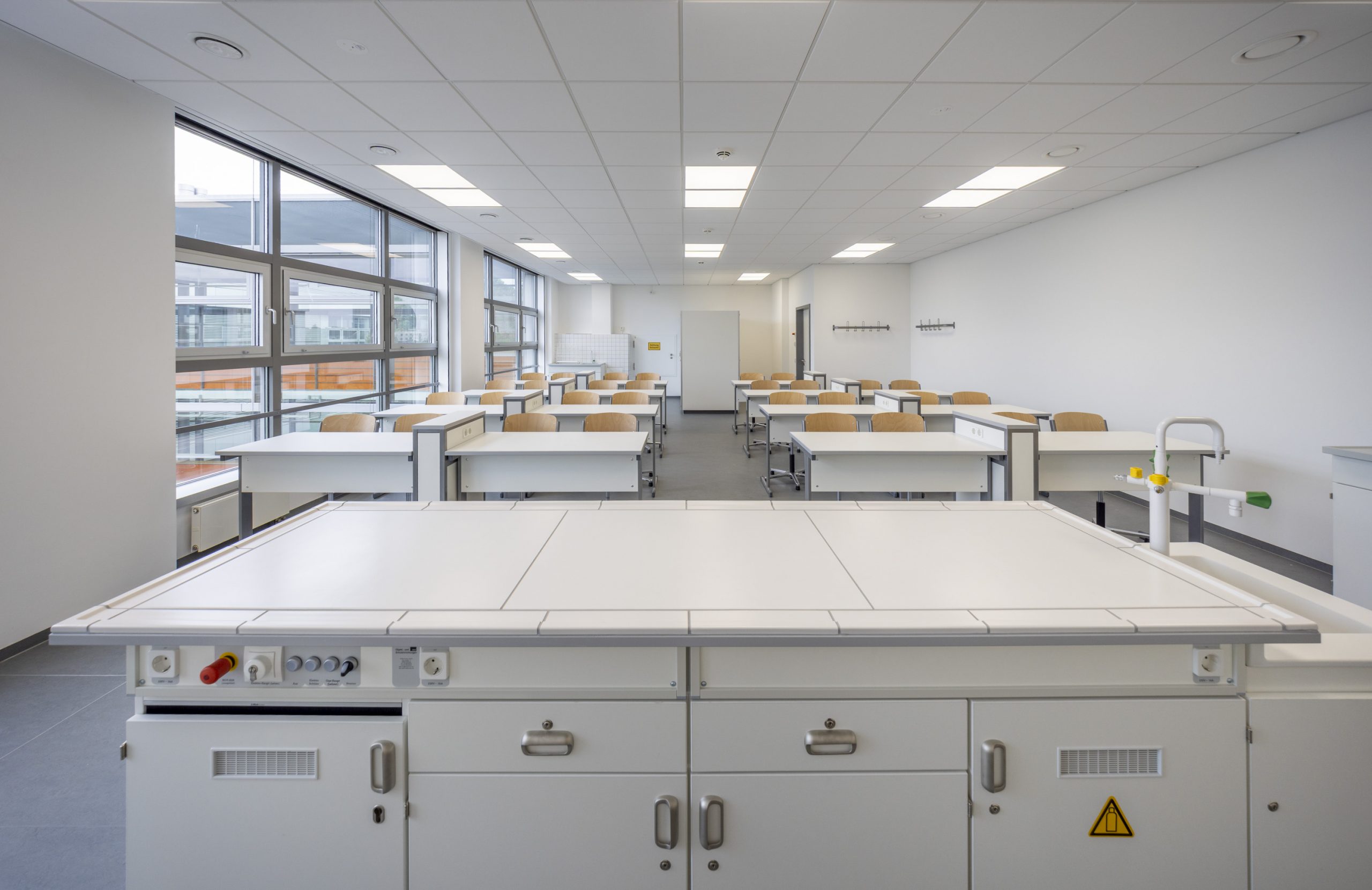
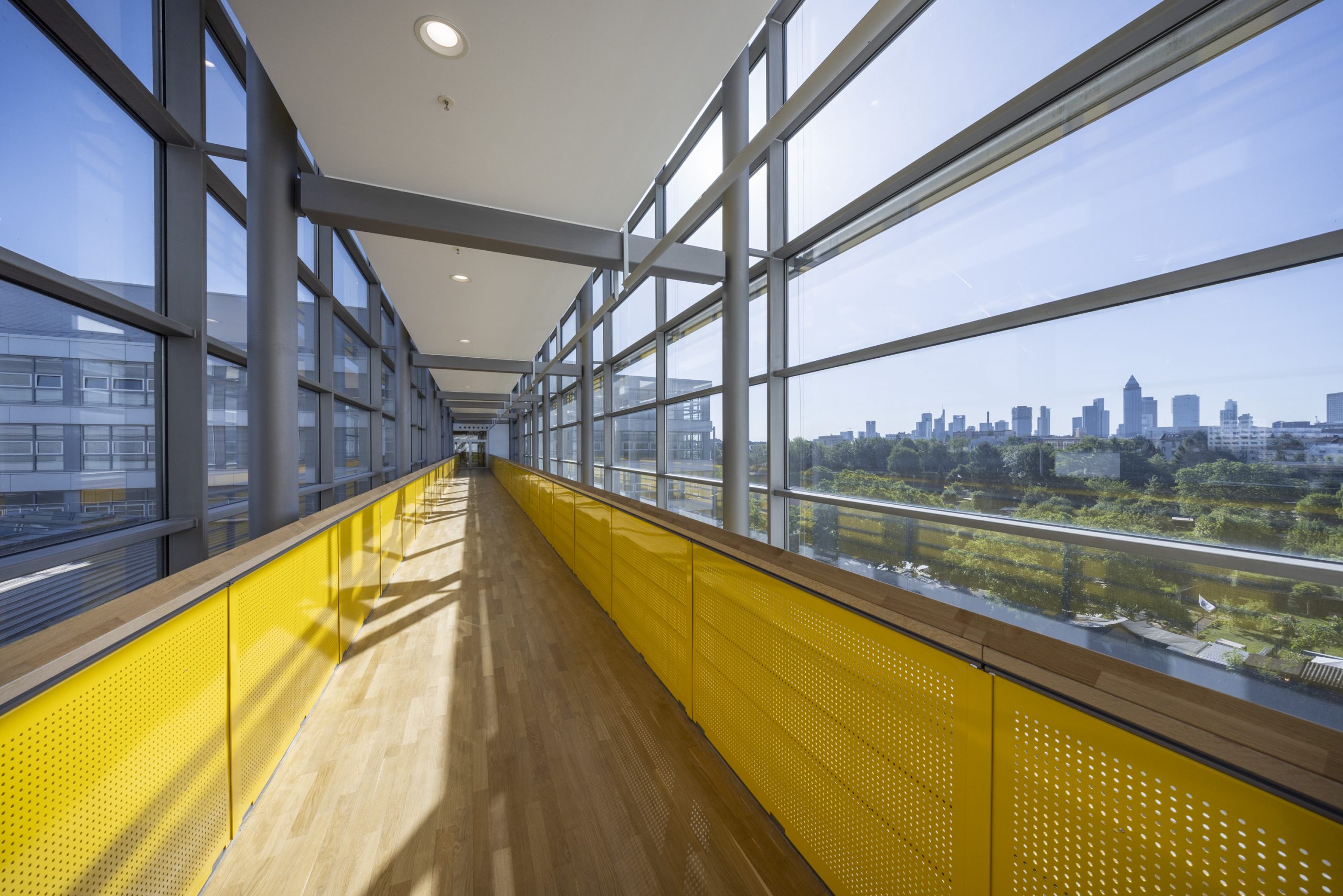
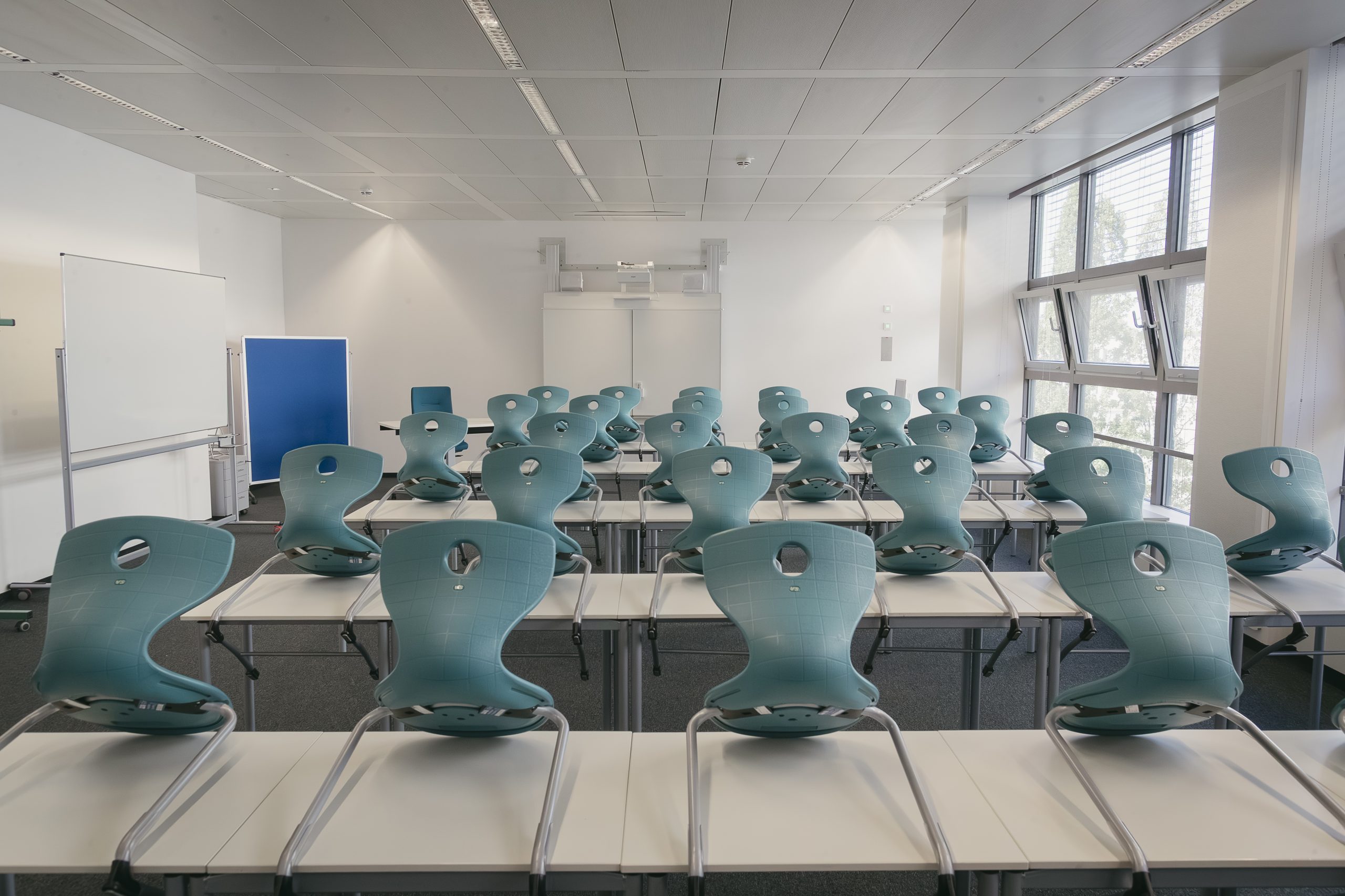
A current project by CELLS in Frankfurt am Main shows how educational infrastructure can be created more quickly. There, the former headquarters of Deutsche Börse, most recently used by Commerzbank, was converted into a school campus with over 40,000 square meters of space for several thousand students. Today, the property is leased to the city of Frankfurt am Main for 30 years.
“We recognised early on that many office properties outside the top locations would come under pressure in the long term. That’s why we have started to develop alternative uses that meet sustainable needs,” says Jan Trenn, CEO of CELLS.
The Frankfurt school campus was built within just two and a half years. In the final stage of expansion, 3,200 students with 290 teachers will learn here. “When a municipality develops a new school site on a greenfield site, it is not uncommon for ten years or more to pass before completion in the case of a development plan procedure. By converting existing buildings, urgently needed school places can be created much faster,” explains Trenn.
In addition to the time saved, he also sees ecological advantages. “The preservation of existing buildings saves enormous amounts of grey energy and prevents demolition and new construction. Educational properties can therefore also make an important contribution to sustainable urban development.”
At the same time, demand is secured in the long term. “For metropolitan areas such as Frankfurt, we expect continued population growth and increasing demand for educational infrastructure. This is exactly where the most attractive investment opportunities are created.”