BNP Paribas Real Estate publishes office market figures for the 4th quarter of 2025
BNP Paribas Real Estate publishes office market figures for the 4th quarter of 2025
Dortmund office market with second-best take-up since the start of recording, prime rent increases significantly
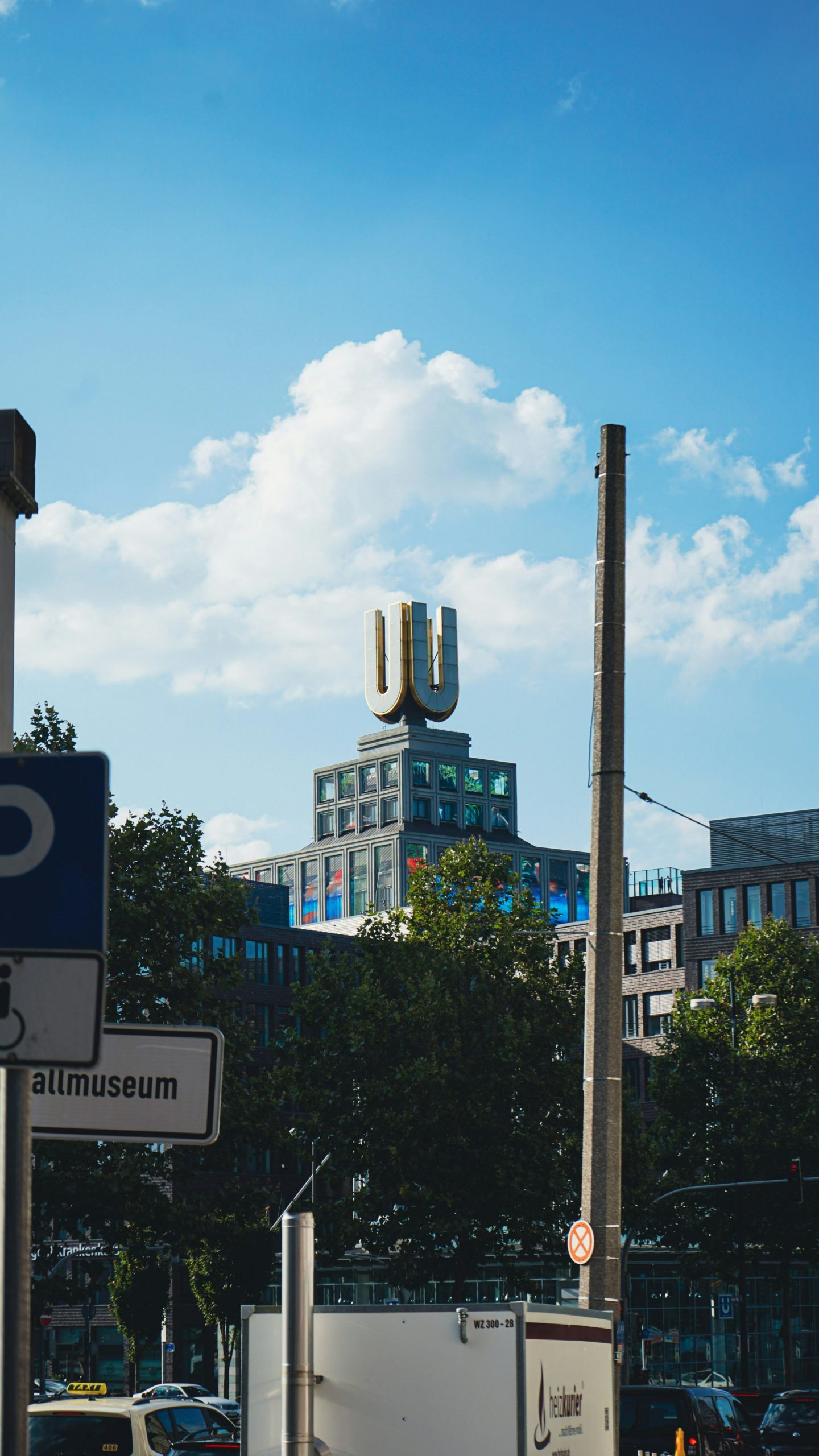
In a market environment that continues to be challenging, the Dortmund office market once again demonstrated its resilience. With take-up of 146,000 m², the NRW metropolis recorded a strong result in 2025, an increase of almost 45% compared to the same period last year. This is the result of the analysis by BNP Paribas Real Estate.
“The long-term average was also exceeded by a whopping 38% and the second-best overall balance since the beginning of the recording was registered. Only in 2021 was an even better result reported. The fourth quarter in particular brought another boost in take-up with a volume of 58,000 m² and contributed more than a third to the result,” explains Amedeo Augenbroe, Essen branch manager of BNP Paribas Real Estate GmbH.
The decisive factor for the good result was a disproportionate share (62%) of large deals with more than 5,000 m² of rental space. These include, among other things, a deal of 22,000 m² by Sparkasse Dortmund in the Rheinlanddamm submarket as well as the two contracts of the City of Dortmund for around 15,000 m² each in the city centre and on Westfalendamm.
The still very limited supply in the modern and high-quality space segment has led to an increase in rental prices. The prime rent rose again in the last quarter by €0.50/m² to €23/m². It is thus a good 28% above the previous year’s level. At the same time, the generally more volatile average rent has also continued its upward trend and is now at a new high of €14.60/m².
Public administration leads the way through major deals, sideways movement in vacancy
Public administration has taken the lead among the sectors involved in turnover with almost 43%, which corresponds to a market share well above average (Ø10 years: 24%). This was due in particular to the large lease agreements concluded by the city of Dortmund. Buoyed by the largest financial statement of the year, banks and financial service providers (17%) rank in second place by some distance. They not only achieve a balance that is far above average, but also the best result ever recorded. The leading trio is completed by ICT technologies, which account for around 11% and are involved in a large number of small and medium-sized contracts.
The vacancy rate on the Dortmund office market has fallen slightly over the last 12 months, by just under 1%, and is now trading at 136,000 m² at the turn of the year. At 4.2%, the vacancy rate is still below the fluctuation reserve of 5%. At 21,000 m², the level of modern vacancy space is above the previous year’s figure (14,000 m²). Nevertheless, only just under 15% of all vacancies have a modern quality of furnishings that is preferred by tenants. Areas for first-time occupancy of new buildings also remain in short supply.
Construction activity picked up slightly in the past year. Currently, 27,000 m² are under construction, which corresponds to an increase of around 8%. By contrast, the supply of space still under construction has decreased by 28%, impressively underlining how quickly new construction space is absorbed by the market.
Prospects
“The Dortmund office market developed exceptionally positively in 2025. Despite a slight decline in take-up in the second and third quarters, the strong first quarter and the even stronger final quarter led to a result that was well above average overall. This puts the NRW metropolis in a particularly successful position in a nationwide comparison, leaving other established B locations such as Essen and Leipzig clearly behind. Against the backdrop of the continuing challenging economic environment, this result can be seen as extremely pleasing. In particular, the demand from the public administration, which is independent of the economic cycle, ensures a high level of stability and ensures that leasing dynamics do not stagnate even under the difficult market conditions,” says Amedeo Augenbroe.
On the supply side, a stable to slightly declining vacancy trend is likely for 2026. Supply in the modern segment in particular is likely to become increasingly scarce in view of the low construction activity and the high demand for top-equipped office space. In anticipation of a gradual recovery in the German economy, the Dortmund market should remain on course in 2026. For the year as a whole, take-up is therefore expected to be at the level of the long-term average (106,000 m²). The limited supply of modern space, especially in central locations, is likely to cause a renewed increase in prime rents.