Especially in new residential construction. Aengevelt expects a significant increase in construction activity.
DIP partner Aengevelt Immobilien expects a significant increase in construction activity in all branches of building construction, especially in residential construction. The real estate company derives its forecast from new orders in the construction industry, which represent the most reliable leading indicator of construction activity, as well as from the analysis of the other relevant framework conditions for construction activity. In 2025, new orders in building construction were up 7.5% on the previous year in price-adjusted terms, and by as much as 10.1% in residential construction. Aengevelt expects incoming orders to have an impact on a significant increase in construction activity as early as 2026 and that the positive order trend will continue, and in this context also refers to the renewed increase in the number of building permits.
According to a recent report by the Federal Statistical Office, new orders in the main construction industry as a whole increased by 6.8% in price-adjusted terms in 2025 compared with the previous year. This continues the upward trend that had already begun in December 2022, but was initially interrupted again in the summer of 2024. However, since August 2024, there has been a continuous monthly increase in new orders, which continued in 2025:
- Orders received in civil engineering rose by 6.2% in real terms in 2025 compared with the previous year, mainly due to major orders for the renovation of railway lines and the expansion of the digital infrastructure.
- New orders in building construction rose by as much as 7.5% in price-adjusted terms. While non-residential construction increased by 5.8%, residential construction even increased by a significant 10.1%.
In contrast to building permits, which often do not lead to actual construction projects or only with a time delay (construction backlog), incoming orders, on the other hand, trigger construction activity almost completely and promptly. According to Aengevelt, the increase in incoming orders will already have an impact in the course of 2026 in growing construction activity and, in particular, from 2027 onwards in increasing completion figures. According to the real estate house, the trend is now robust and sustainable. The following factors contribute to this:
- Investors are no longer postponing their plans to speculate on interest rate cuts. As a result of the Federal Government’s debt package, the level of bond interest rates and thus also the level of interest rates on mortgage loans will remain roughly constant to moderately rising for the foreseeable future.
- Broad investor circles are again more optimistic about the overall economic development. For 2026 and also for 2027, the Bundesbank and the economic research institutes expect positive growth rates for the first time in three years. This is reflected in increasing investments in office and commercial construction.
- The marked increases in real wages (+2.7% in the third quarter of 2025 compared with the same quarter a year earlier) are boosting residential construction because it is easier for owner-occupiers to obtain financing and because the potential for adequate rent levels is improving.
- There has been a calming down in the development of construction costs.
- In the area of the regulatory framework, especially the requirements for climate protection, investors expect more stability from the new government coalition than from the previous coalition. The striking new mood-setters also include the construction turbo and the consistent abolition of the heating law, which was pushed through by the failed Minister of Economic Affairs Habeck in a way that was resistant to consultation.
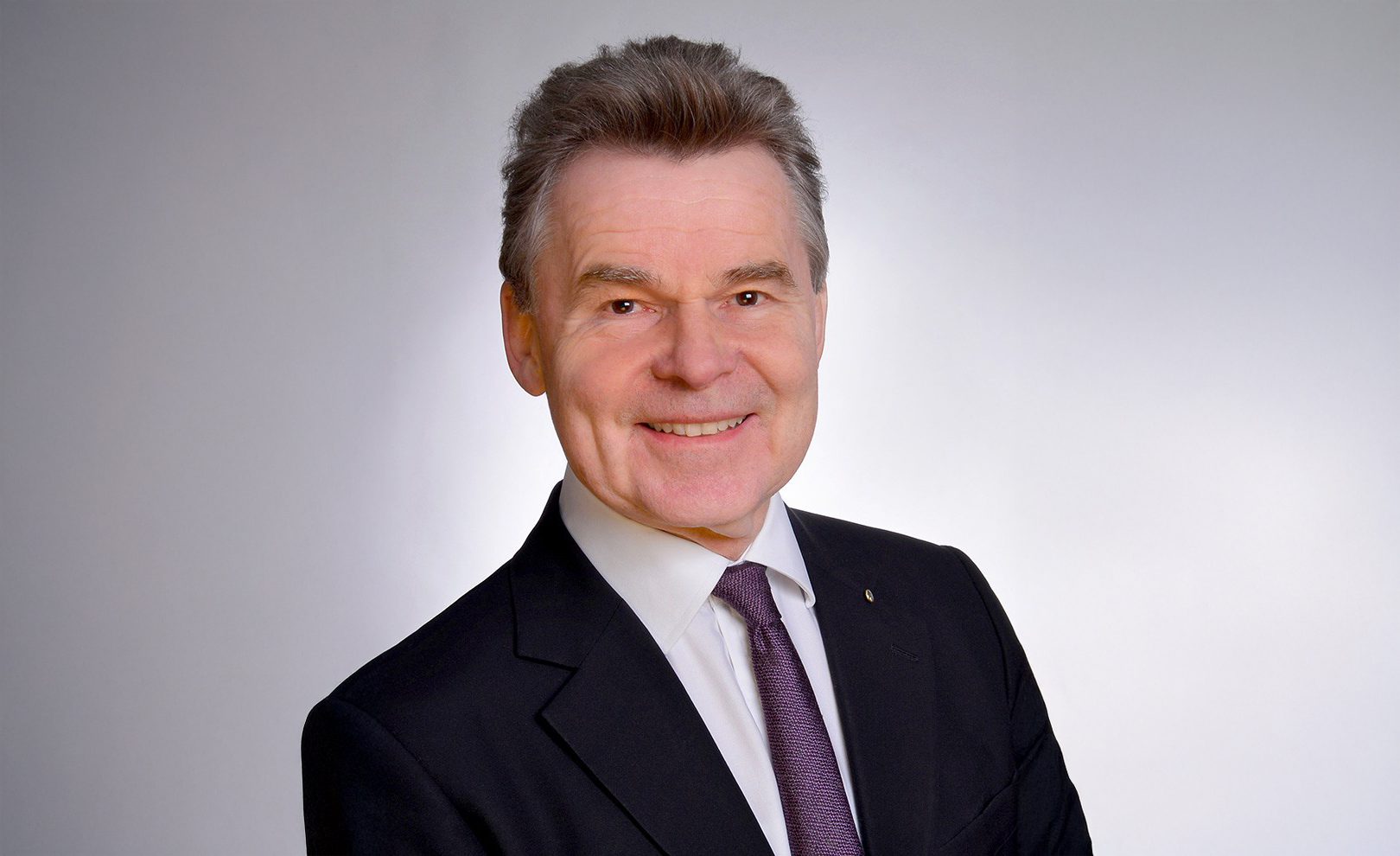
Dr. Wulff Aengevelt, Managing Partner of Aengevelt Immobilien: “The figures now available confirm that construction activity is on the rise again in all real estate asset classes. This is particularly important for residential construction in order to gradually make up for the supply deficit that has accumulated in numerous regions over many years. The positive development is also due to a more reliable macroeconomic and political environment, which leads to an overall more optimistic mood among investors.”