a.s.r. Real Estate wants to attract more German institutional investors. The first German investors have already been connected. Six specialized fund strategies in the retail, residential, office, science parks, agricultural land and renewable energy segments. 13.5 billion euros in assets under management. Subsidiary of the second largest Dutch insurance company. a.s.r. real estate, the investment and asset manager of the Dutch insurance group a.s.r., which specialises in real assets, plans to increasingly address German institutional investors in the future. The bank has already been able to attract its first well-known investors from Germany in recent years. This customer segment is now to be expanded. The focus is on six fund strategies that provide structured access to the Dutch real estate market.
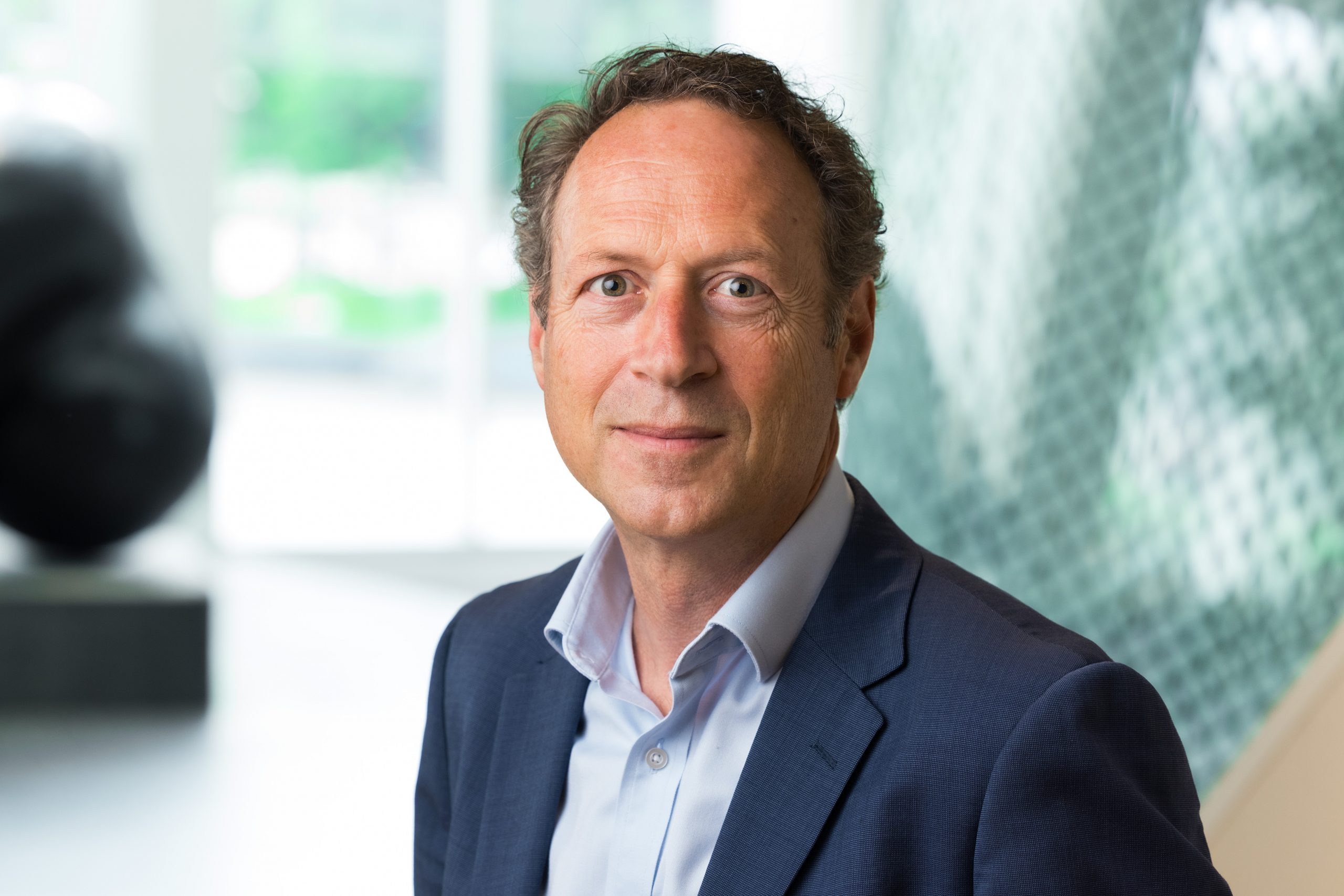
Dick Gort, CEO of a.s.r. real estate, comments: “We are established as a manager of real assets among Dutch institutional investors. We receive a lot of positive feedback on our funds and their track record, with an investor base of more than 30 institutional investors from the Netherlands and abroad. In recent years, we have started to very successfully connect the first German institutional investors who want to invest specifically in the Netherlands. We now want to intensify and expand these activities. We are already holding promising talks on this in Germany.”
The investment platform of a.s.r. real estate is based on a clear separation of asset classes. Each fund invests exclusively in a defined segment and follows an in-house, research-based approach. The six strategies cover the asset classes retail, residential, office, science parks, agricultural land and renewable energies. a.s.r. real estate is licensed as an AIFM and is regulated by the Dutch Financial Market Authority (AFM). The funds are structured in accordance with the European requirements for alternative investment funds. The funds investing in residential, retail, office and science park properties are in line with the German real estate quota.
The clear demarcation of the strategies creates transparency in terms of return, risk, regulation and sustainability profile. We are convinced that creating real value means investing in the long term and thus ensuring a sustainable living environment for all. Our research-based approach ensures high-quality and sustainable investments in every asset class,” says Dick Gort.
The Dutch real asset market has traditionally been strongly institutional. A significant part of the holdings is held or managed by insurance companies, pension funds and other long-term investors. Dick Gort commented: “For German investors, there are investment opportunities within the eurozone in an economically closely intertwined market environment. Against the background of comparable regulatory structures, the Dutch market can be a useful addition to existing German and European allocations.”
Fund overview
The ASR Dutch Prime Retail Fund holds retail properties with a total volume of around EUR 1.4 billion, with the portfolio largely consisting of properties in the premium high street segment. The focus is on the best performing retail locations in the eight most important Dutch city centres, complemented by dominant local shopping centres and supermarkets. The aim is to achieve a total return of over six percent (net IRR), with a track record of more than ten years with a dividend yield of more than 4.5 percent.
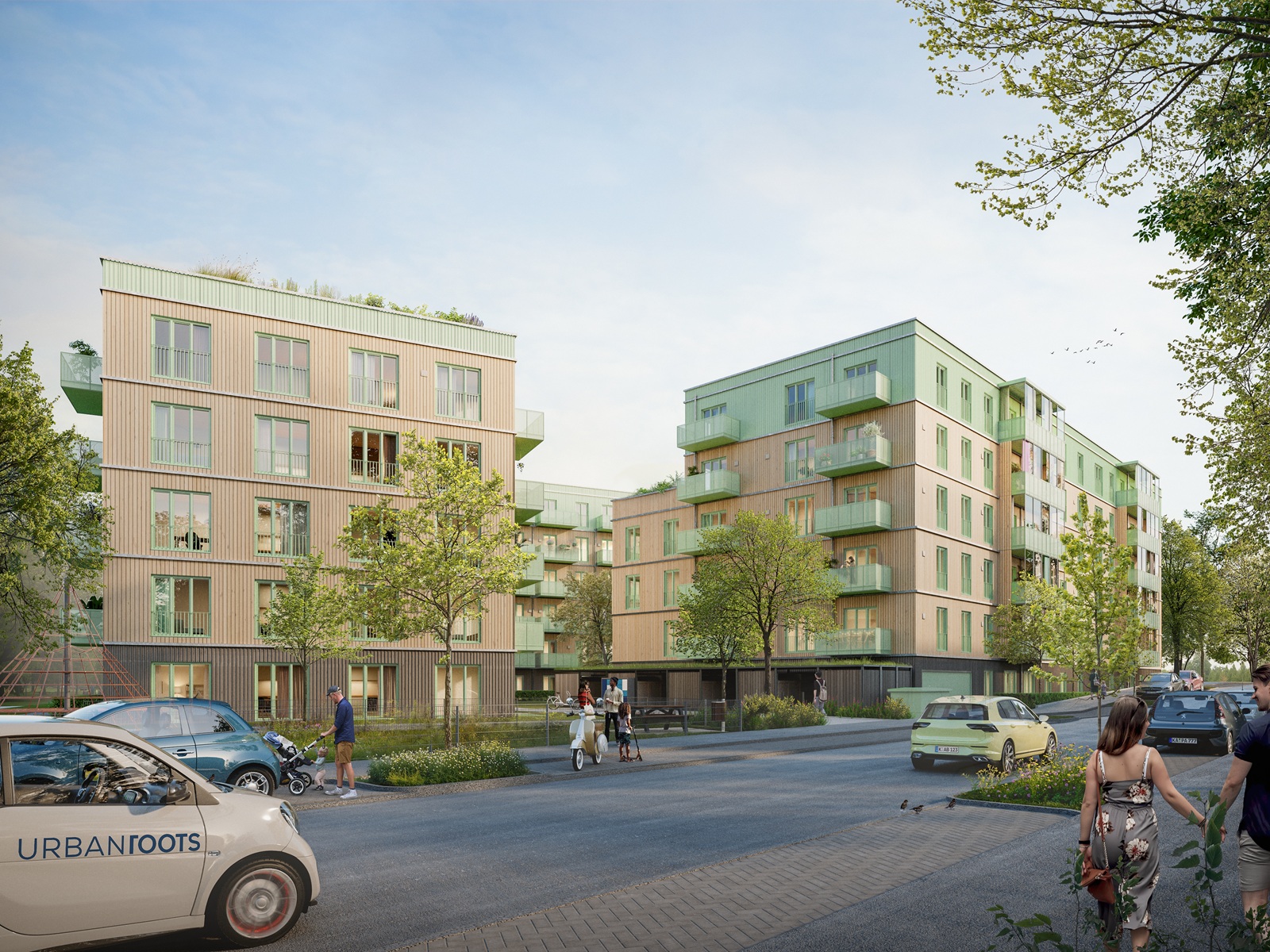
The ASR Dutch Core Residential Fund focuses on residential real estate in economically strong regions of the Netherlands, especially in the mid-range rental segment, and has a volume of around EUR 2.4 billion. The strategy pursues a core approach with a long-term investment horizon and aims at continuous distributions and value increases in the Dutch residential segment. In addition, the fund has access to an internal development pipeline of around 13,000 planned residential units. This pipeline is of strategic importance as there is a shortage of available and affordable housing in the Netherlands and the pipeline allows a.s.r. real estate to offer tailor-made solutions for individual mandates in the residential real estate sector.
The ASR Dutch Mobility Office Fund invests in office properties in the five largest transport hubs in the Netherlands: the CBD locations in Amsterdam, Utrecht, Rotterdam, The Hague and Eindhoven. The invested capital is around EUR 600 million and the aim is to achieve a current dividend yield of at least five percent, supplemented by long-term performance from selective core investments. The fund’s properties have long-term leases with an average of six and a half years and users with strong credit ratings.
The ASR Dutch Science Park Fund invests in research and development space and offices in established innovation hubs in the Netherlands, such as technical universities and biotech campuses. These properties promote innovation, as tenants develop medicines and medical devices, quantum technology and plant-based solutions for the food transition, for example. The current volume is around 275 million euros, the medium-term target volume is over 500 million euros. The expected IRR (Internal Rate of Return) is over seven percent, with ongoing distributions in the range of around four to five percent.
The ASR Dutch Farmland Fund invests in agricultural land in various regions of the Netherlands and has a volume of around 2.4 billion euros. The structure, like that of the real estate funds, is largely through no fault of its own. The long-term goal is a net IRR of over four percent, supplemented by annual distributions of more than two percent.
The ASR Dutch Green Energy Fund I bundles investments in Dutch renewable energy projects, including wind and solar farms as well as battery storage solutions with a volume of approximately EUR 400 million. With further subscriptions, the fund volume is expected to increase to one billion euros. Over the fund’s term of around 20 years, the aim is to achieve a target IRR of over seven percent. The returns are based, among other things, on power purchase agreements supported by long-term support mechanisms from the Dutch government.