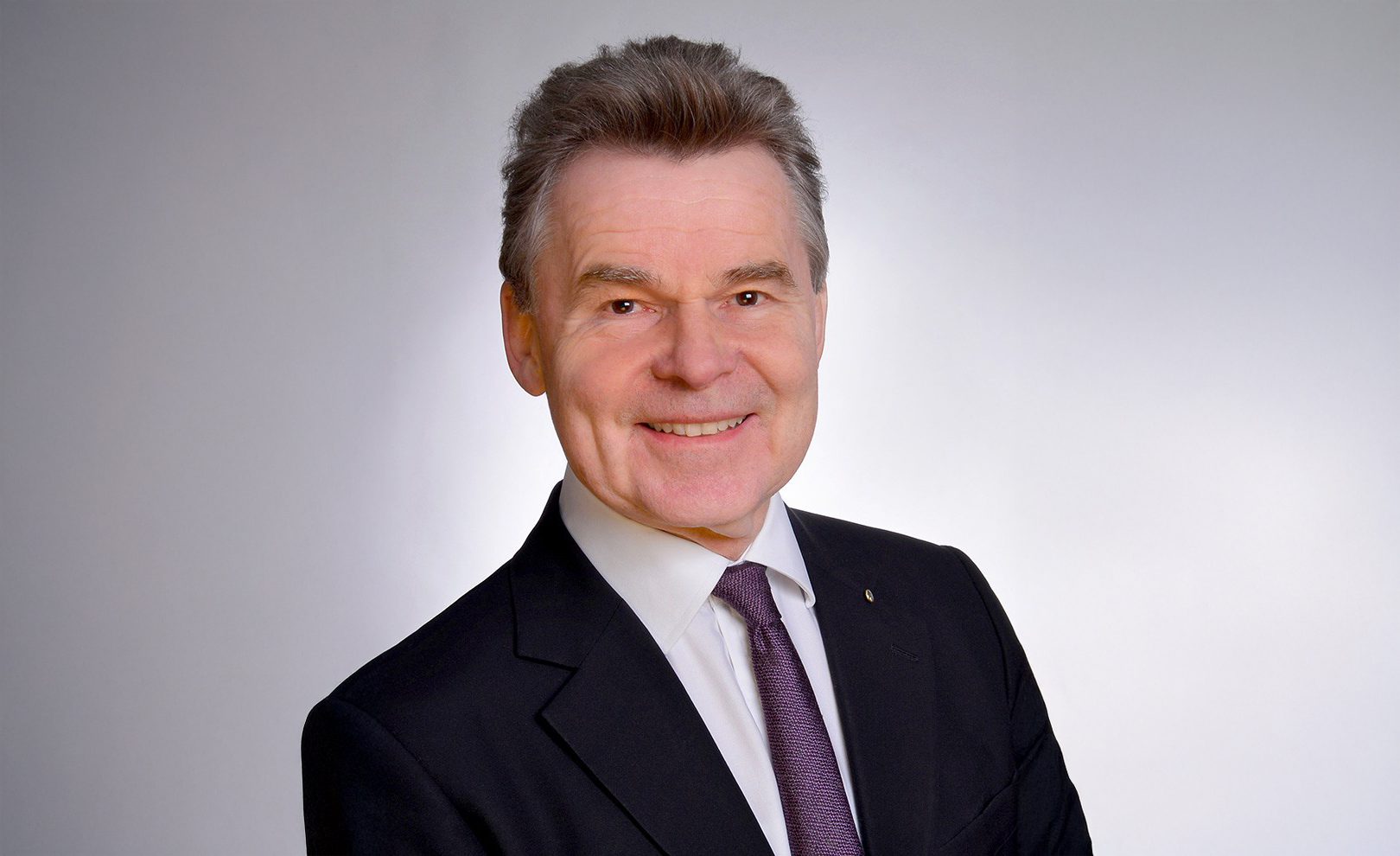
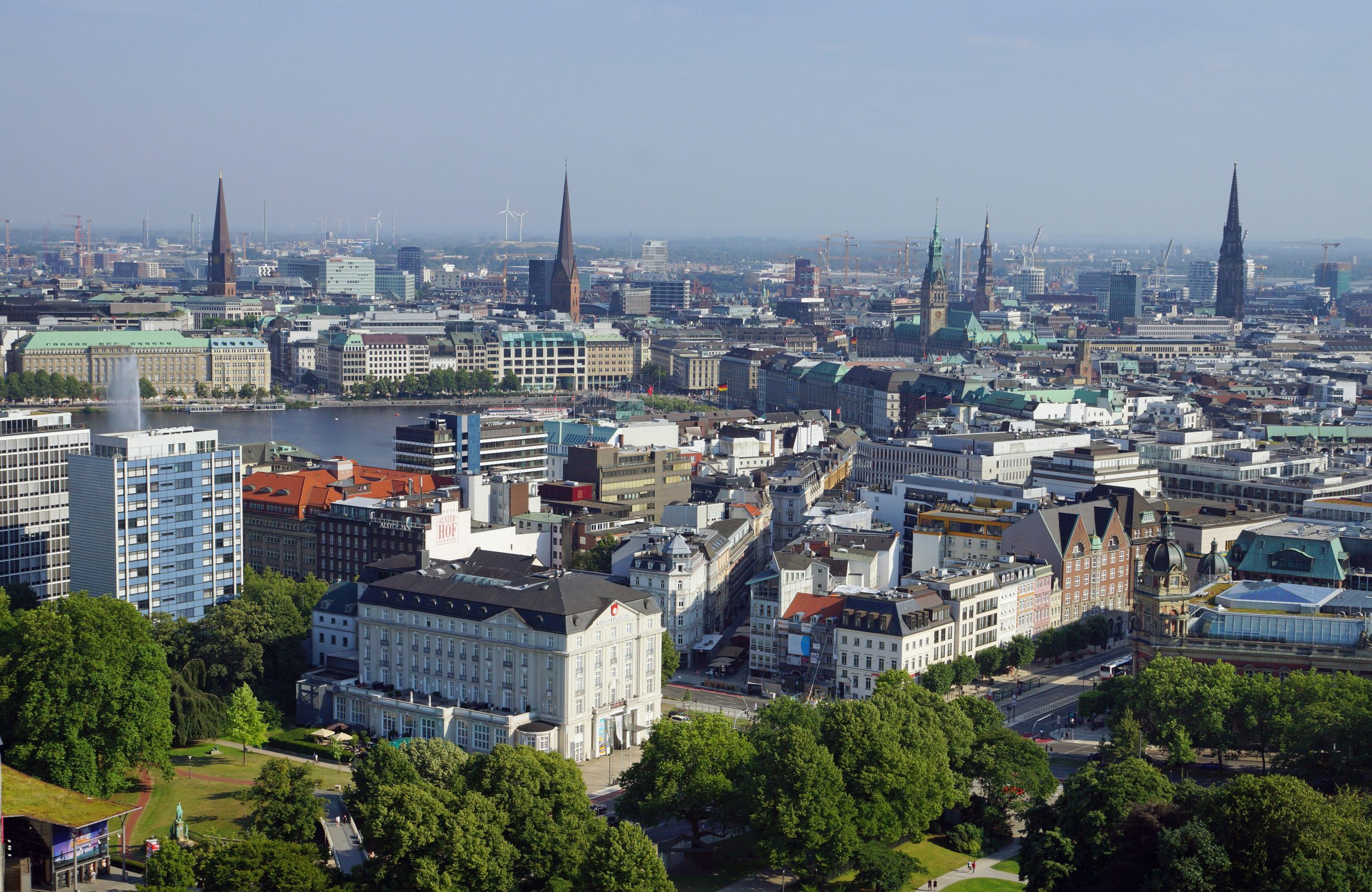
The Hamburg office market recorded take-up of 102,000 m² in the first quarter of 2026. Despite uncertainties due to geopolitical tensions and economic conditions, the market is stable overall. The broad industry structure ensures a high level of resilience. “By the end of 2025, there were already signs of a revival in demand, which has continued in 2026,” reports Gordon Beracz, Head of Office Space Leasing at Robert C. Spies in Hamburg, commenting on the positive result.
Prime rent rises – demand remains selective
The prime rent rose to 35 EUR/m² in the first quarter. The average rent has also risen significantly to EUR 21.90/m². “The background to this is that larger take-up of space mainly takes place in new buildings, which increases the overall rent level,” says Gordon Beracz.
Demand remains stable, but much more selective: the focus is on modern space in good locations with an efficient structure. At the same time, ancillary costs are becoming increasingly important and are increasingly a decisive factor in leasing decisions. Major users are currently acting cautiously and are increasingly relying on extensions – especially with a view to future project developments from 2028.
Subletting remains a defining factor in the market. The official vacancy rate is currently around 6.2 per cent or 892,000 m² and is likely to continue to rise slightly in the short term. In addition to the visible vacancy, the concealed vacancy rate also continues to play an important role. Increasingly, previously sublet space is being returned to the regular market. At the same time, companies are increasingly using sublet space as a temporary solution before repositioning themselves in the long term. “Overall, this development means that both take-up and vacancy rates are rising in parallel,” reports the office property expert. Areas that are no longer up to date are particularly affected by structural vacancies and offer potential for conversion in the medium term.
Conversion strategies are gaining in importance
The office market is increasingly being relieved by changes in use, especially in the direction of hotels and micro-apartments. Against the backdrop of rising numbers of overnight stays and infrastructural developments, an absorption of up to 300,000 m² of office space is expected in the medium term. Conversions lead the portfolio into a new phase of its life cycle. “Increasing tourism figures and major events such as the planned Olympic bid are ensuring a persistently high demand for convertible potential properties that no longer meet the requirements of modern working environments,” reports Gordon Beracz.
At the same time, increases in efficiency – also through the use of AI technologies – lead to a decreasing need for space in companies. Conversion strategies are therefore becoming increasingly important, but require long-term planning and implementation periods.
Outlook for 2026
For the year as a whole, Robert C. Spies expects take-up of between 400,000 and 450,000 m². A noticeable market recovery is expected in the second quarter of 2026 in particular, as numerous deals are currently in preparation. The public sector is also likely to act more strongly as a buyer again. Rents are expected to continue to rise slightly. In individual cases, rents for new buildings of over 45 EUR/m² can be achieved in absolute prime locations.