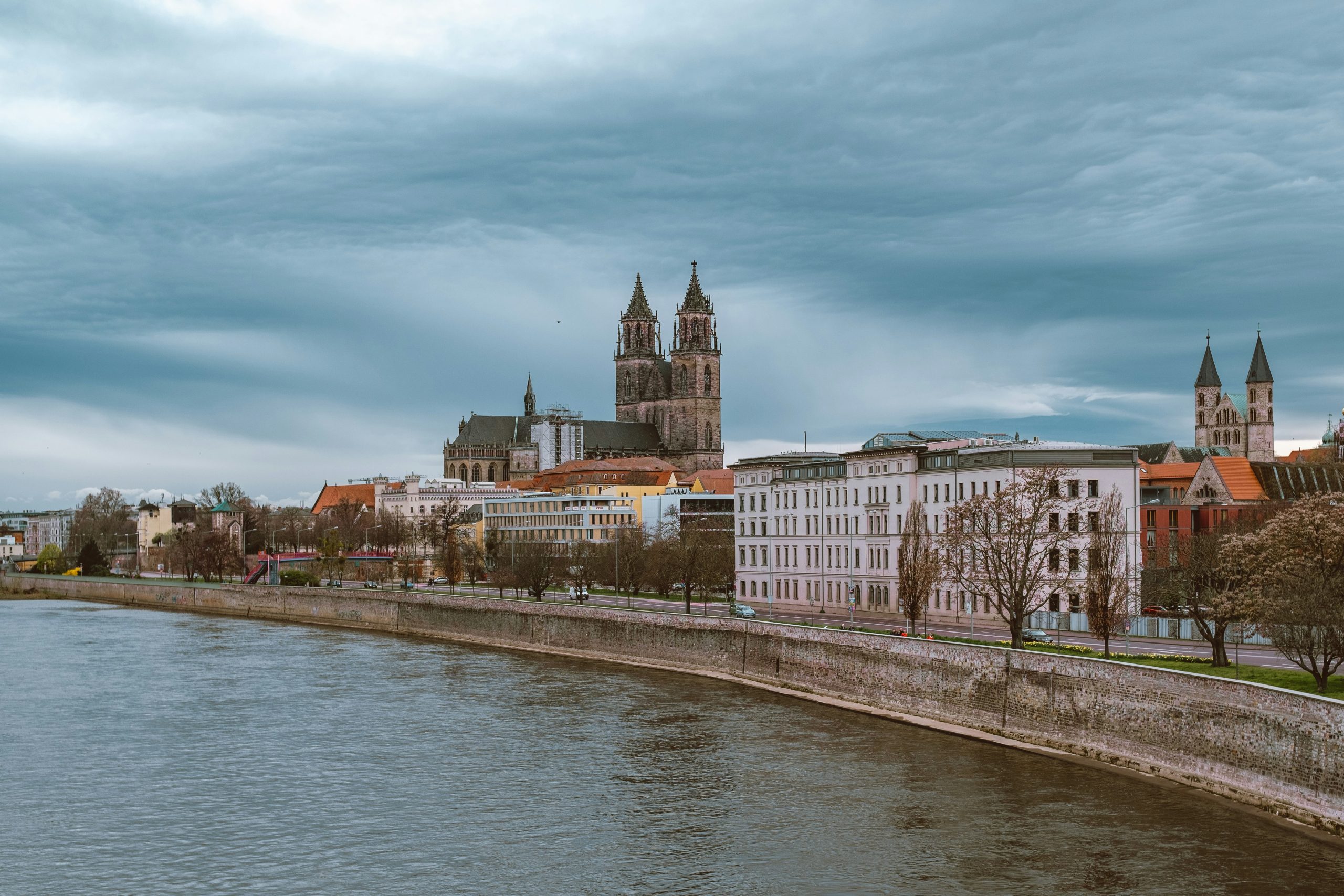
The real estate markets in East German B and C cities such as Magdeburg, Erfurt and Chemnitz have stabilised noticeably in recent years. After years of transformation, the locations now show solid fundamentals and an overall stable development: While rent and vacancy levels are increasingly similar to those of comparable West German markets, purchase prices and rents are still well below the level of the large metropolitan regions. At the same time, the markets remain characterized by structural challenges. In the future, demographic change in particular will dampen demand for residential and office space, even if it will remain stable in many segments in the short term. These are the key findings of an online press conference by RUECKERCONSULT with experts from Colliers, the Barton Group and Deutsche Bürohaus GmbH (DVI Group).
Housing market: Rising rents with limited supply
The housing market in East German B and C cities is characterized by a decline in new construction, which is causing supply to become even more scarce. In recent years, the number of available rental apartments has decreased significantly, in some cases, while demand remains stable. Against this background, rents are expected to continue to rise in the medium term, albeit at a comparatively moderate level compared to the top 7 cities. At the same time, housing costs remain affordable for many households, as rising incomes partially compensate for the rent burden. The rent burden ratio in the cities under consideration is around 25 percent, which is well below the level of the large metropolitan regions. A major driver of rising housing costs is not so much net rents exclusive of heating expenses as increased energy and ancillary costs.
Johannes Rost, Associate Director Residential Capital Markets at Colliers in Germany, comments: “Despite an overall tense market environment, the housing markets in East German B and C cities are developing comparatively stable. The excess demand in the portfolio will continue to intensify due to the decline in new construction activity, so that moderate but continuous rent increases are to be expected in the future. At the same time, housing in these markets remains affordable in a nationwide comparison.”
In individual markets, however, a differentiated picture is already emerging: In Magdeburg, for example, the rental housing market is currently more competitive, with correspondingly higher rental costs for owners.
Dominik Barton, Managing Partner of the Barton Group, explains: “In Magdeburg, we currently see a competitive tenant market in which active asset management, among other things, plays a decisive role. The choice for tenants is greater than in many other cities. Competition on the landlord side is correspondingly intense. This means that as part of active asset management, for example, apartment modernizations must be initiated in order to generate lettings. At the same time, however, the different rent levels of the markets are also evident: While we average around 7.00 to 8.00 euros per square metre in Magdeburg, comparable properties in Dresden reach around 10.00 to 12.00 euros per square metre. This underlines the existing scope for development in B and C locations.”
The markets also remain attractive from an investor’s point of view: Existing residential properties can achieve above-average returns in many eastern German cities compared to the rest of Germany – provided that property is actively managed. Depending on the market, the yield spread to the top 7 can be around 230 to 300 basis points, while the price levels also offer attractive entry opportunities again after the corrections of recent years.
Office market: Demand for quality, stock under pressure
The office markets are also stable overall, but increasingly segmented: while modern, ESG-compliant space continues to be in demand, older existing properties are coming under greater pressure. The development of office rents illustrates this differentiation: prime rents are rising faster than average rents, especially in more dynamic markets such as Dresden. At the same time, the vacancy rate in many eastern German cities remains moderate compared to the top 7 locations.
Dirk Wichner, Managing Director of Deutsche Bürohaus GmbH, says: “In our portfolio, the vacancy rate is less than four percent. This is also due to the fact that many companies are deliberately opting for more cost-effective locations and, for example, are demanding office space in more peripheral locations at lower rents. At the same time, the market is very selective: modernised space can be rented out well, while the price sensitivity of users has increased overall. The public sector also plays an important role as a stable customer, often with long-term leases. This ensures comparatively reliable cash flows in these markets.”
On the investment side, too, the picture is selective: yields on office properties have risen since 2022 as a result of the changed capital market conditions and the pricing phase has not yet been completed. The different price expectations of buyers and sellers as well as limited access to capital are slowing down the transaction process.
Attractive returns require selective strategies
East German B and C locations continue to offer attractive conditions for investors. The yields for existing properties are in some cases significantly above the level of the established investment centres. At the same time, the markets are more fragmented and more strongly influenced by private and semi-institutional players. The price corrections of recent years have led to more attractive entry levels in many places, especially for value-add strategies.
Johannes Rost commented: “The yield premiums compared to the top locations continue to be significant, while at the same time the price corrections of recent years have led to more attractive entry levels in many markets. Overall, it is clear that East German B and C locations remain a promising but challenging investment environment that requires an active and long-term strategy.”
Dominik Barton adds: “We have been investing specifically in East German B and C locations since 2021 and continue to see potential there. At the same time, the market has become much more demanding: the price expectations of buyers and sellers are still divergent in some cases, and investments require a very selective approach as well as a precise examination of the location and property.”
The general conditions remain challenging: access to capital is currently still limited, transactions are more selective, and structural factors such as demographic developments and increasing requirements for building quality can also influence the long-term prospects of the markets. Accordingly, a differentiated examination of individual investments is becoming increasingly important.
Dirk Wichner adds: “It is crucial to actively develop the properties and adapt them to the requirements of the users. This is the only way to exploit the existing market potential in the long term.”