Generation change at FAY Projects: Carl Fay and Ingo Lindner take over for Wolfgang Heid and Ralph Esser
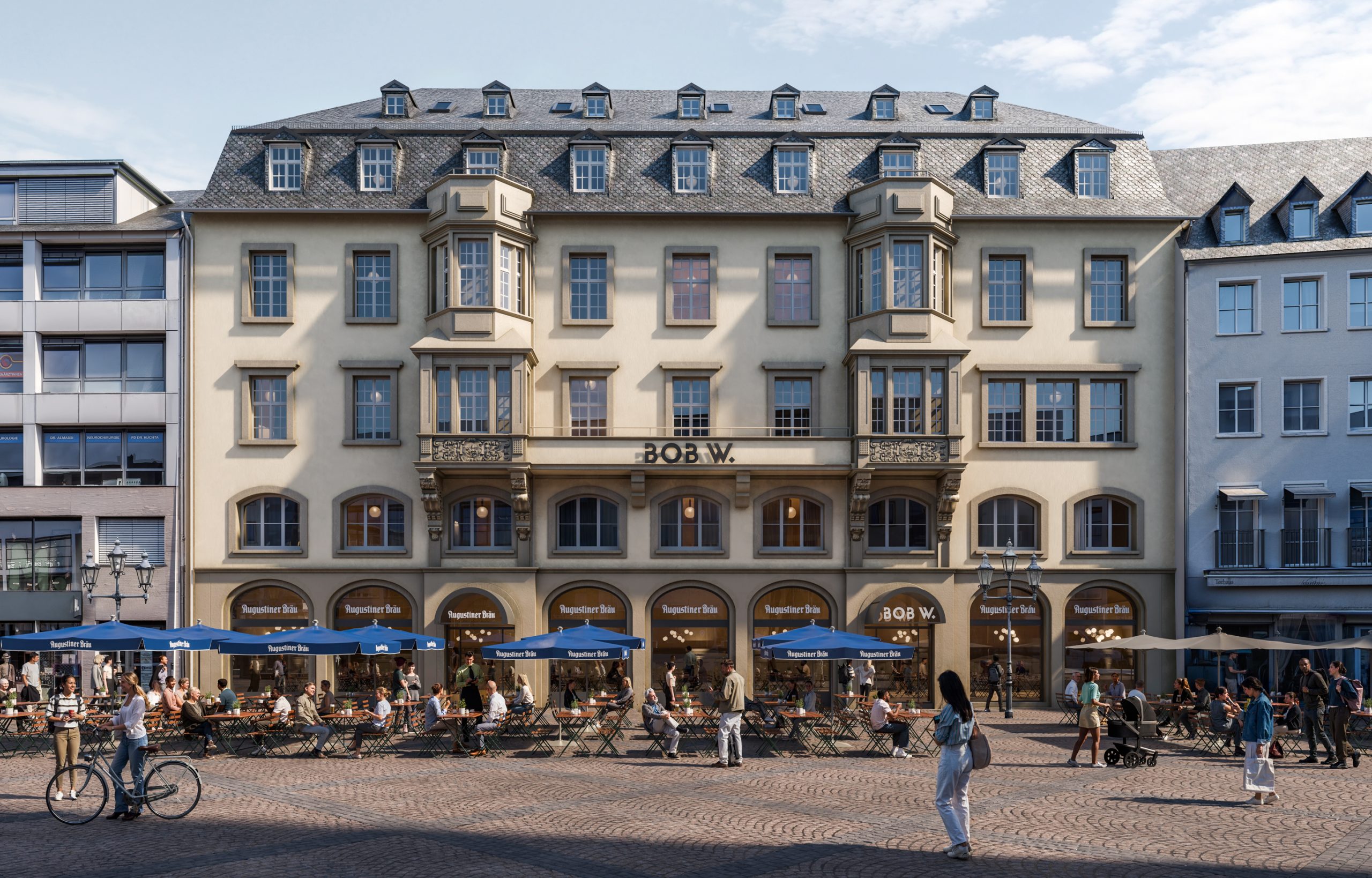
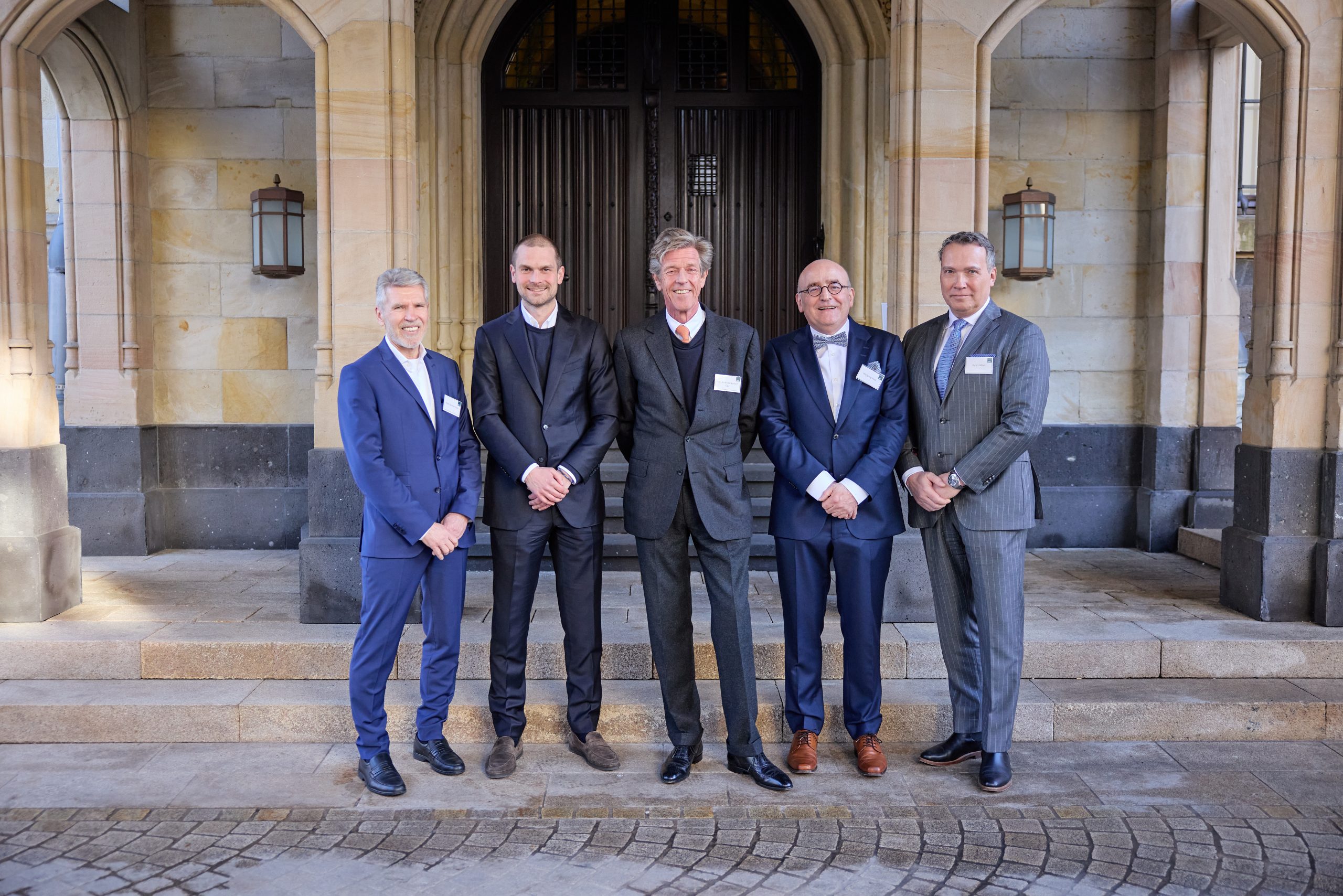
FAY Projects is implementing a generational change in the management that has been prepared over several years as planned. On 31 March, Wolfgang Heid, shareholder and chairman and spokesman of the management of FAY Projects, and Ralph Esser, managing director, retired from the company due to age, which bid farewell to its long-standing employees with a celebration at the Frankfurt hotel The Florentin with around 150 guests. FAY Projects developed the hotel itself under the name Villa Kennedy in 2006 and received a mipim award for it.
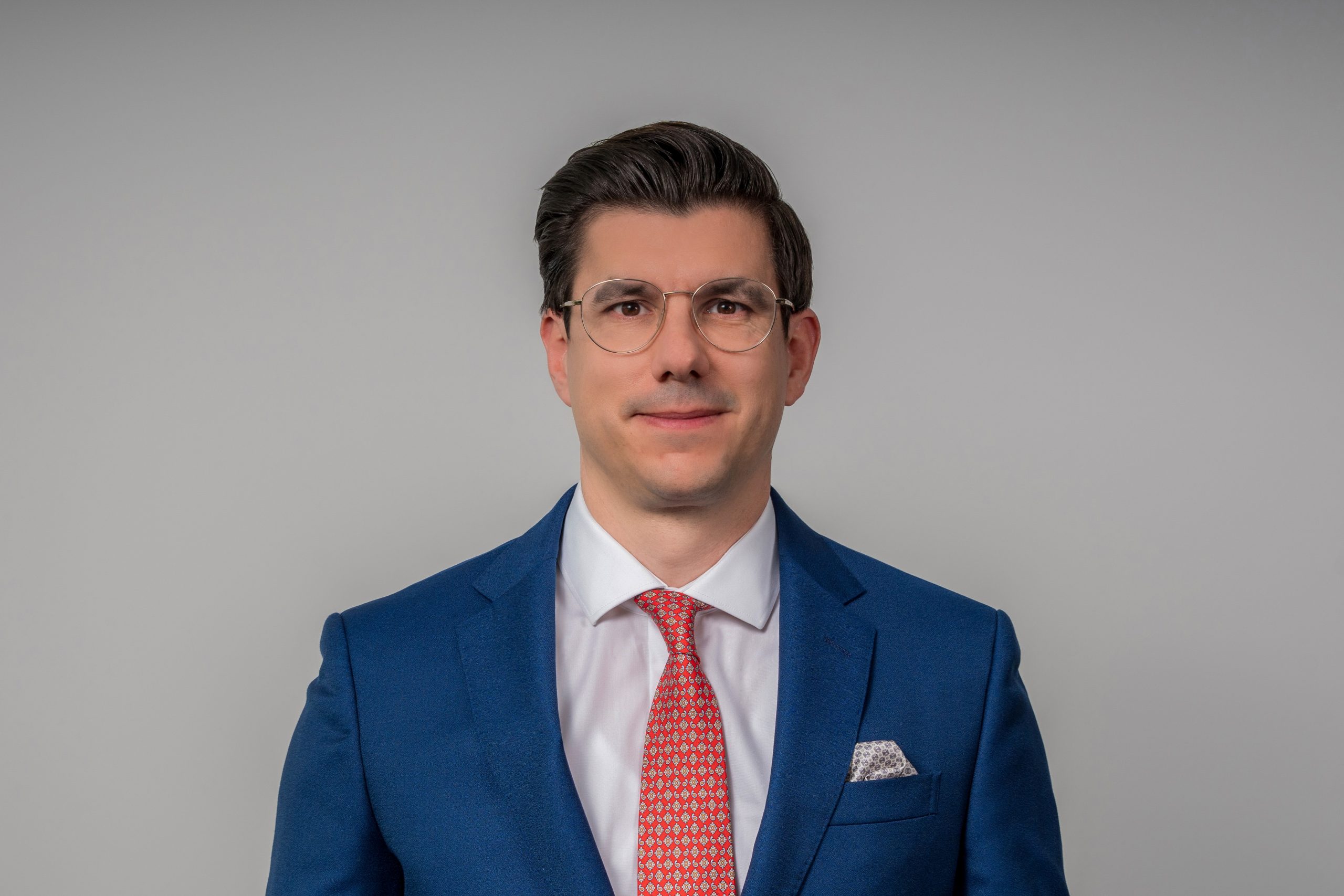
Wolfgang Heid and Ralph Esser worked for FAY Projects for 21 and 24 years respectively and have had a lasting influence on the development of the Mannheim-based and Berlin-based project developer over the past two decades. Their areas of responsibility will be taken over by Carl Fay and Ingo Lindner. Carl Fay and Ingo Lindner have already been with the company since 2022 and 2019 respectively, where they have successively taken on tasks and responsibility in the areas of strategy, financing, planning and implementation. Wolfgang Heid and Ralph Esser will continue to be associated with FAY Projects in an advisory capacity. Wolfgang Heid will also become a member of the company’s advisory board.
Conversion to temporary inventory management
The generational change is taking place in a challenging market environment. Due to the persistently weak transaction activity, the FAY Group holds a large proportion of its completed projects in its own portfolio and actively manages them. “The markets are currently challenging and transactions can only be implemented to a limited extent,” says Carl Fay. “However, our properties are solidly financed, fully let and economically stable. That’s why we can wait and decide selectively when a sale makes sense.” The development activity is currently focused on the preparation phase and leasing of ongoing projects. Individual projects – such as the Spandauer Ufer in Berlin – are already well advanced and can be implemented at short notice as soon as the remaining office space has been pre-let. At the same time, FAY Projects is specifically examining new project approaches, especially in the areas of housing and service development.
“Since 2019, land prices have been at a level that makes a serious calculation much more difficult,” says Wolfgang Heid. “Thanks to its shareholders and restraint over the past decades, as well as its overall solid structure, FAY Projects is now well positioned. But despite a good basis in the company, I would of course have wished the next generation better external conditions for the transition.” Heid expressly sees what has been achieved as a team effort. “After such a long period of ups and downs, I would like to express my special thanks to my employees, as well as our customers, general contractors, suppliers and service providers, and in particular to the banks and all other stakeholders who have supported the Group and me through this time. The next generation has new ways of working, ideas and approaches; give them the necessary trust too.”
In recent months and years, Ralph Esser’s focus has been on the extension of expiring property financing and the transition of project financing into property financing with longer maturities. “Our partners had to be convinced that we need more staying power and that there is a basis for good business even in the slump in transactions. This is because the completed properties deliver stable cash flows, and there is little competition in terms of sustainability features.
Housing and service developments as new business areas
Ingo Lindner, who wants to establish FAY Projects more strongly in rental housing, is also looking ahead. “We have already examined numerous projects, but we have always found aspects that did not fit economically. Nevertheless, I am confident that concrete approaches for new projects will emerge this year,” says Lindner. He sees further opportunities in service developments, especially in the revitalization of stranded assets. “Many asset managers do not have their own construction and planning capacities. However, because they are now holding their properties for much longer than originally planned and at the same time the energy requirements and the demands of the users are changing, they have a high demand. We are ready for them as a partner.”