KGAL will take over the operational management of the German Net-Zero Fund on behalf of KfW. The German Government’s programme is designed to advance climate protection projects in developing and emerging economies, whilst at the same time strengthening the international market for high-quality CO₂ certificates (emissions reduction credits). The aim is to mobilise additional private investment and support the implementation of the Paris Agreement.
The German Net-Zero Fund is financed by the Federal Ministry for the Environment, Climate Action, Nature Conservation and Nuclear Safety (BMUKN) as part of the International Climate Initiative (IKI). Responsibility for the fund lies with KfW, which has commissioned KGAL to manage its day-to-day operations under the existing mandate. The fund addresses a major obstacle to international climate protection investment: whilst Article 6 of the Paris Agreement lays the foundation for cross-border trading in CO₂ credits, the number of projects capable of providing high-quality credits under Article 6 has so far been limited. The Net-Zero Fund is designed to close this gap. By entering into long-term off-take agreements for future CO₂ credits and making advance payments, the fund enables projects to generate additional and predictable revenue. This can help to mobilise complementary bank financing and private capital, as well as to initiate collaborations with strategic partners from Germany and Europe.
Bridging funding gaps, enabling climate protection projects
The German Net-Zero Fund is designed to support climate protection projects throughout the entire development process – from project identification and the conclusion of agreements for the purchase of CO₂ credits, through to project implementation, registration and authorisation under Article 6, as well as the verification of the emissions reductions achieved and the issuance of the corresponding credits.
The initial focus is on technologies that make a significant contribution to reducing greenhouse gas emissions. In the longer term, technologies for permanent CO₂ removal are also to be increasingly included. Key factors here are high environmental and social standards, the additionality of the emission reductions, and reliable verification of the climate impact. The fund is also intended to improve the institutional framework for implementing Article 6 projects in the partner countries.
KGAL brings its experience from PtX development funds to the table
As fund manager, KGAL will be responsible for selecting and conducting economic assessments of suitable climate protection projects, as well as structuring long-term off-take agreements for CO₂ allowances. In addition, it will oversee project implementation and be responsible for the administration of the Net-Zero Fund. With this mandate, KGAL and KfW are further expanding their proven collaboration in the field of international climate protection projects and their financing. Since 2023, the investment and asset manager has been responsible, on behalf of KfW, for managing the PtX Development Fund, which promotes green hydrogen and its derivatives in developing and emerging economies.
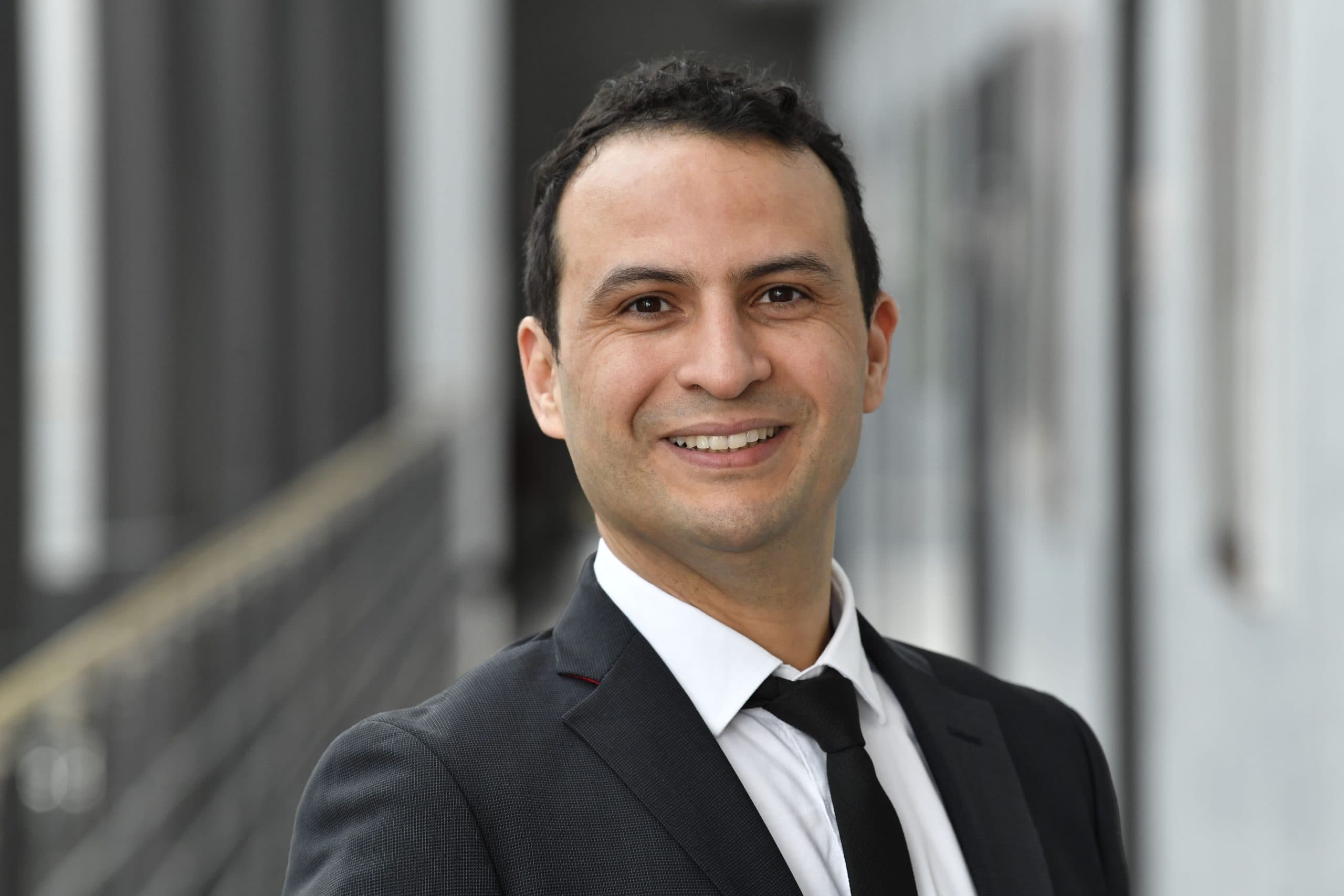
“For effective international climate action, we need not only ambitious targets but, above all, financially viable projects. This is precisely where the German Net-Zero Fund comes in,” explains Farid Mohamadi from the KGAL Energy Transition Team. “By making future revenues from CO₂ allowances available at an early stage for project financing, the fund creates scope for additional investment. With our experience in structuring, financing and managing complex sustainable infrastructure projects, we can support their professional implementation.” KfW aims to facilitate the market’s ramp-up: “The German Net-Zero Fund brings investment to our partner countries and reliability to a market that is only just emerging,” says Florian Ziegler, authorised signatory at KfW.
Gradual development of an international market
The fund is due to commence operations following the COP31 World Climate Conference. In the initial phase, the plan is to use public funds to facilitate the first projects and to establish a reliable supply of high-quality international CO₂ allowances.
The aim is to enable the structure to be expanded in the long term and to involve additional public buyers, EU Member States and private-sector stakeholders. In future, further investors are to be brought on board and proceeds from future sales of allowances are to be used for new climate protection projects. In this way, the fund is also intended to contribute to the development of a long-term, sustainable international market for high-quality CO₂ allowances.