The PwC and ULI study ‘Emerging Trends in Real Estate Europe 2027’ forecasts a delayed recovery in European property markets. Nevertheless, willingness to invest is on the rise. Munich has moved up to fourth place in the city rankings.
The RICS Global Construction Monitor Q3/2026 reports a slowdown in construction activity across all regions of the world; the CSI has fallen to +4 globally. Lending conditions are deteriorating. In Europe, France is the main drag, whilst Germany ranks second across Europe.
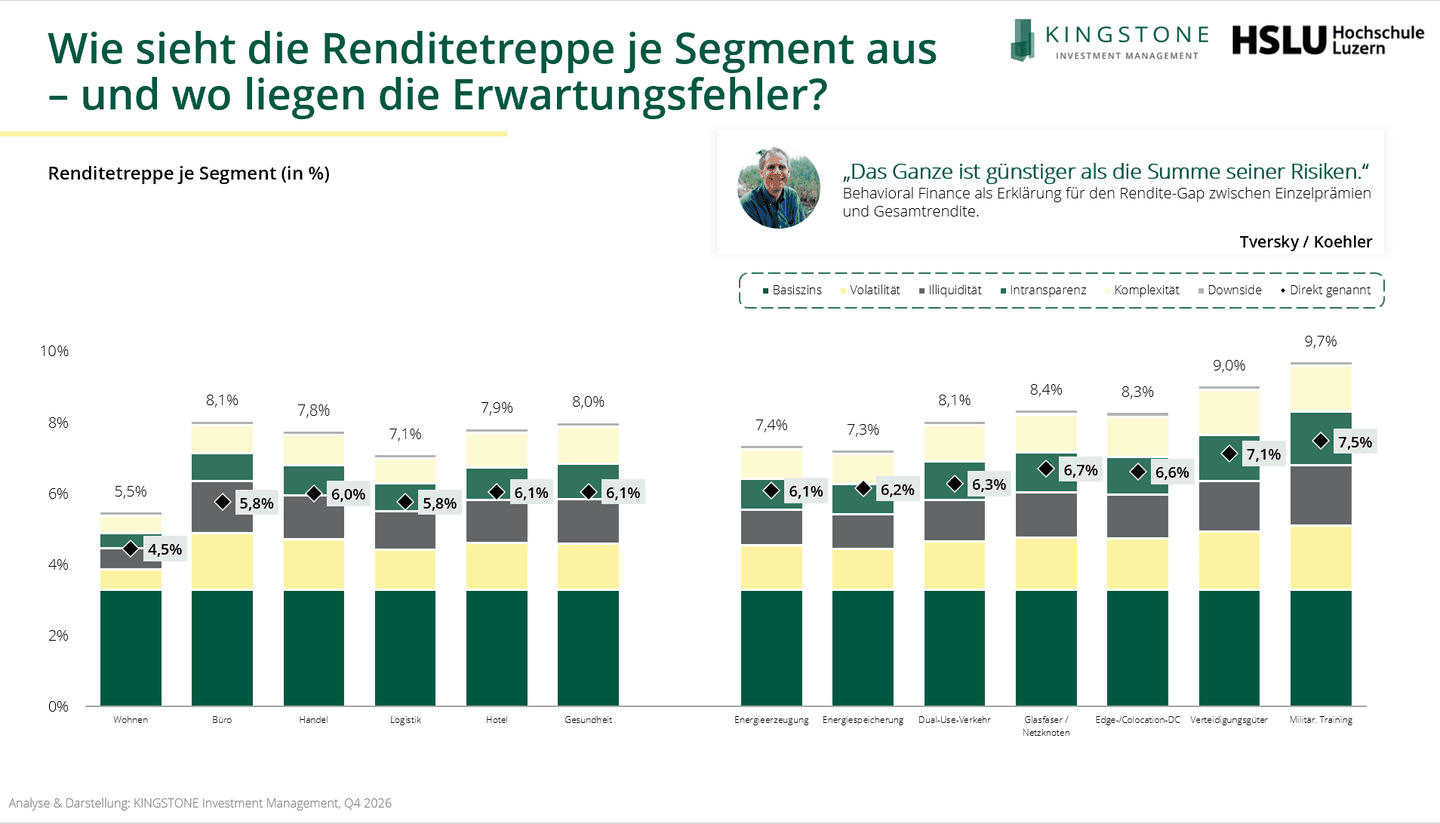
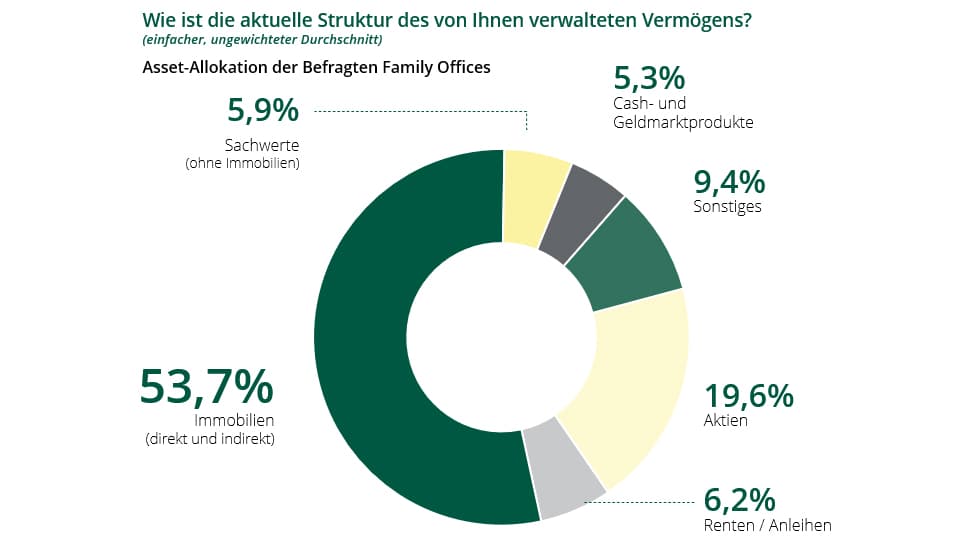
KINGSTONE IM presents the Family Office Real Estate Report 2026. Property remains the largest asset class at 53.7 per cent; the proportion allocated to Germany falls from 88.3 per cent (2025) to 76.5 per cent. Residential property leads the way at 37 per cent, with many planning to increase their investments; allocations to overseas markets in Europe and the US are on the rise.
A Clearwater Analytics survey of 250 fund managers in the US, Europe and APAC: 44 per cent plan to offer tokenised investments within 12 months, whilst 24 per cent are already doing so. A further 16 per cent plan to do so within 12–24 months; a total of 97 per cent within three years. 96 per cent find tokenised private debt attractive, whilst 56 per cent find private equity attractive.
The autumn survey by Union Investment and HospitalityInside shows that operator quality is crucial to the long-term success of hotel properties (55 per cent; 45 per cent prioritise location). Smaller markets generally offer moderate potential; the overall index has fallen by 8 per cent to 2,948.
The 2026 Sentiment Survey by RUECKERCONSULT for HIH Invest and Ypsilon Group reveals an improvement in the situation: the index has risen from -0.41 to -0.14, though only a slight improvement is expected in the short term. The office sector remains under pressure, whilst the residential and logistics sectors are showing more robust signs.
Cobalt has published its first standalone market and career trend analysis on interim management. The study reveals a split in workload (33% >90%, 24% <50%) and a level of optimism at just 45 per cent; daily rates are mostly between 800 and 1,200 euros. Networks account for 72 per cent of assignments.
An Ocorian study of 300 senior executives at private equity firms shows that 78 per cent expect a surge in traditional exits over the next two years, whilst 98 per cent anticipate rising realisations. The biggest hurdles are regulation, exit readiness, a lack of buyers and valuation gaps.
A survey commissioned by Fiera Real Estate (Aug./Sept. 2026) shows that 35 per cent of German institutional investors can envisage investing in Canadian property, whilst 20 per cent are already invested. Residential property is the favourite, at 86 per cent. 57 per cent expect a total return of over 8 per cent per annum.
A survey by Aengevelt shows that 96 per cent of market players expect demand for rental flats to remain high or to rise – particularly for high-quality properties. One third anticipate a decline in supply, whilst 69 per cent expect rents to rise, with a disproportionately high increase in prime locations.
A global study by Clearwater Analytics shows that 88 per cent of 250 senior executives at fund management firms have increased their spending on stress testing. Plans include more defensive equities (54 per cent), protective puts (56 per cent) and VIX products (34 per cent), as well as, in some cases, tail-risk funds (22 per cent) and real assets (16 per cent).


 Analysis
 Article
 Comment
 Discussion
 Forecast
 Infographic
 Interview
 Monthly
 News
 Podcast
 Quarterly
 Report
 Survey
 Video
 Weekly
 Whitepaper