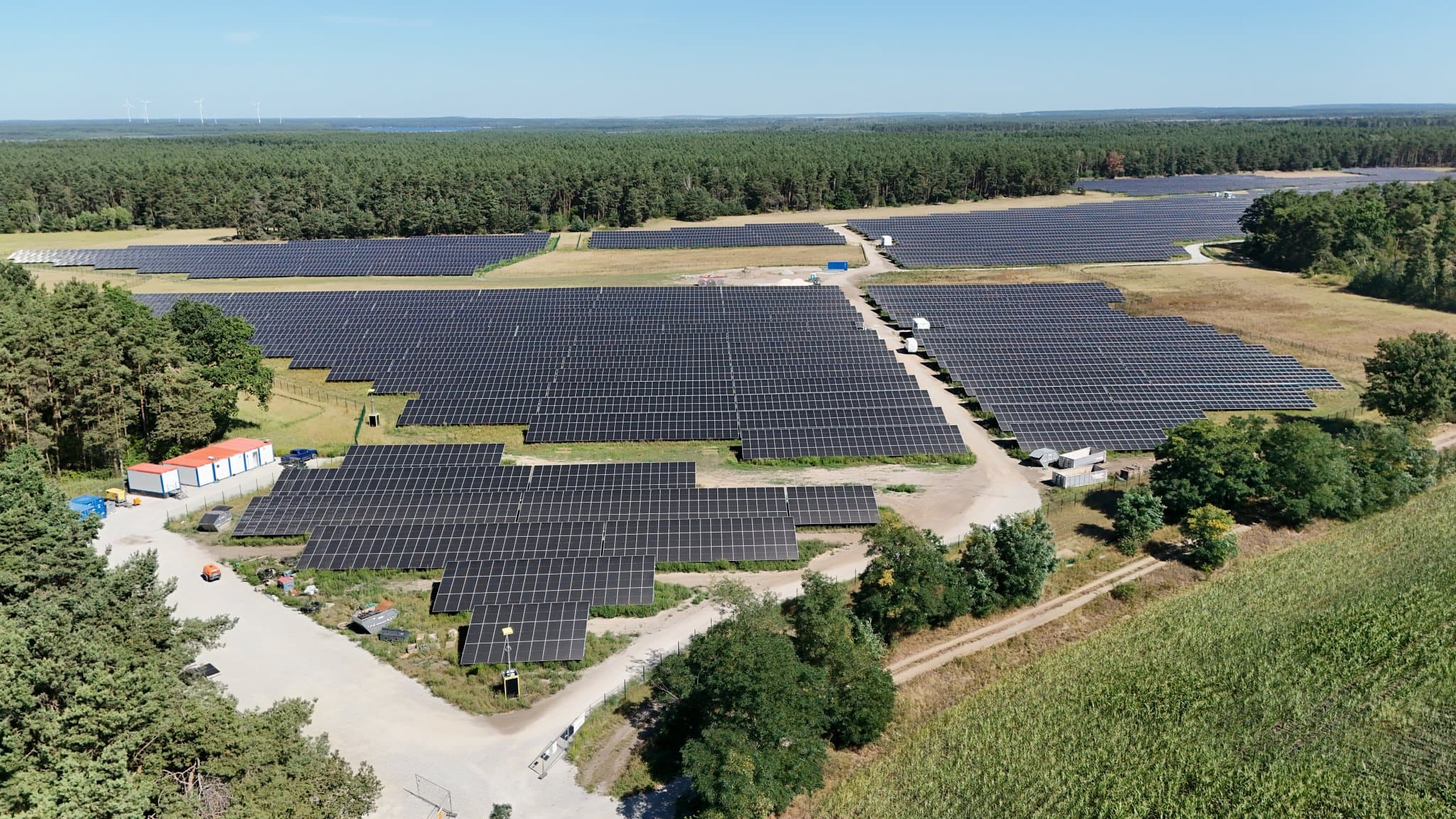
The UKA Group has commissioned the Elsterheide solar farm in the north of the Bautzen district. The plant has a capacity of 18 megawatt-peak (MWp). This will result in annual CO₂* savings of around 15,000 tonnes.
After around five years from the initial ideas to implementation, the project is now a reality and up and running. The decision to proceed was taken in December 2021. Construction began in February 2026. The first modules were transported to the site at the end of April, and module assembly began in mid-May. With the project coming into operation in mid-October, it has now reached its next milestone.
Electricity from the region
The electricity generated is fed into the grid via the substation in Hoyerswerda, some six kilometres away. With an installed capacity of 18 MWp, the solar farm makes a tangible contribution to the supply of renewable electricity.
“The commissioning of the Elsterheide solar farm shows what can come of an idea and a lengthy planning process. The plant is helping to drive the expansion of solar energy,” said Marcus Prietzel, project manager.
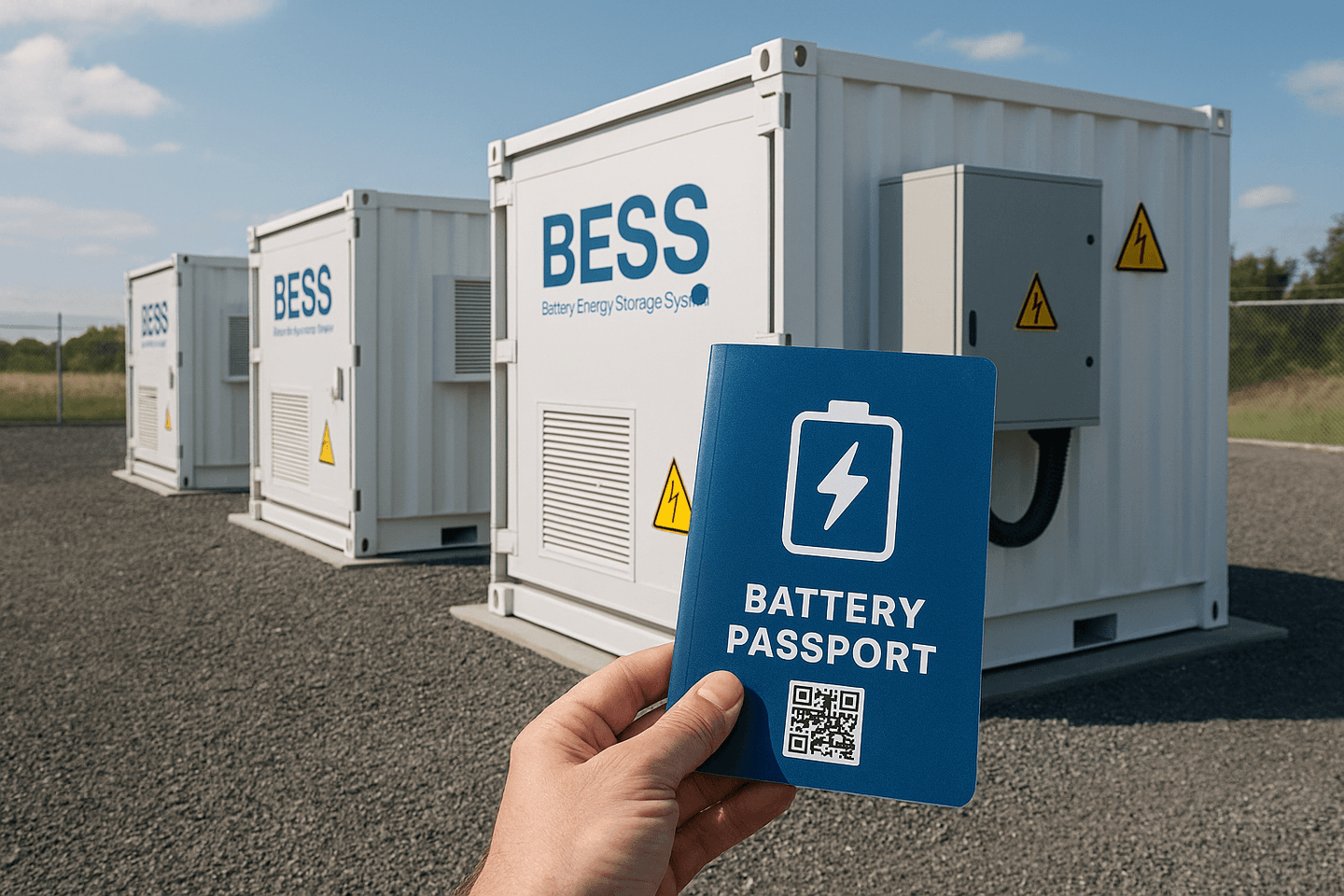
UKA is planning to build an electricity storage facility directly adjacent to the solar park. The planning application has been submitted. The aim is to start construction next year. The storage facility is intended to expand the range of uses for the electricity generated and to further develop the energy infrastructure at the site.
The local community stands to benefit in the long term
The municipality of Elsterheide will also benefit from the project in the long term. Under the Renewable Energy Revenue Sharing Act, it will receive funding throughout the plant’s operational lifetime. In accordance with the relevant legislation, these funds can be used, for example, for local infrastructure, events or social projects, thereby benefiting the local community.
*The figures are based on a calculation method developed by the UBA, which uses life-cycle assessments to account for all direct and indirect emissions from wind farms and solar parks, as well as the fossil fuel emissions avoided as a result, in order to produce a net greenhouse gas balance in accordance with EU directives. (Source: UBA, January 2025)