In the past twelve months, the real estate investor CONREN Land has acquired around 800 modern and sustainably designed residential units in Germany from various sellers and taken them over into its own management. Behind the investments are well-known German entrepreneurial families.
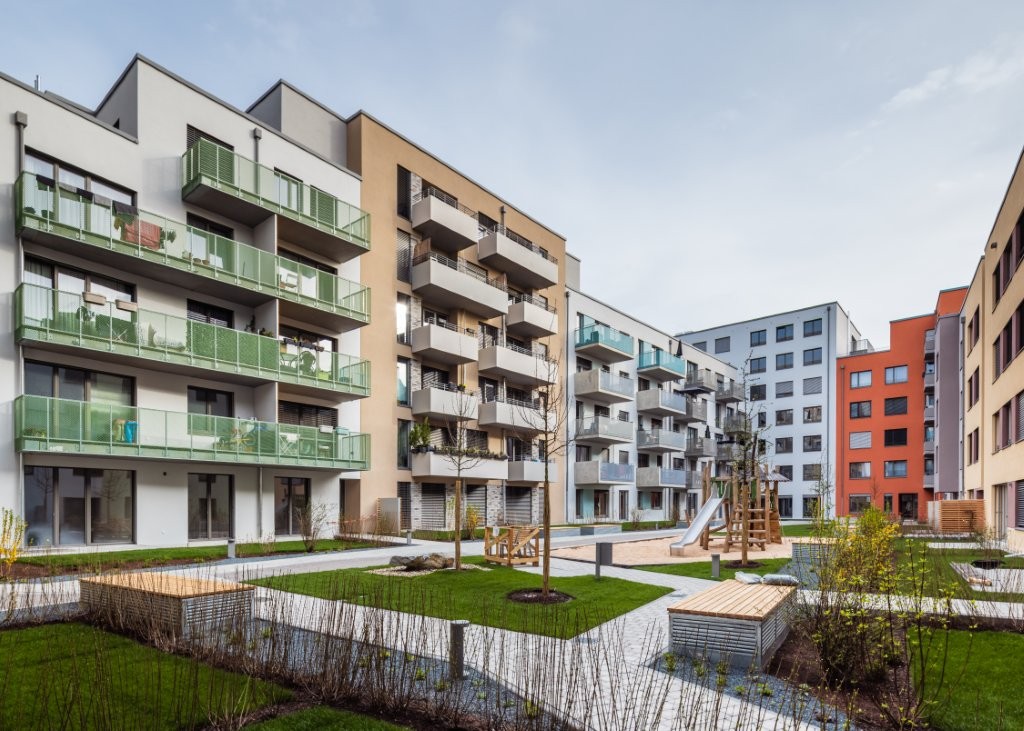
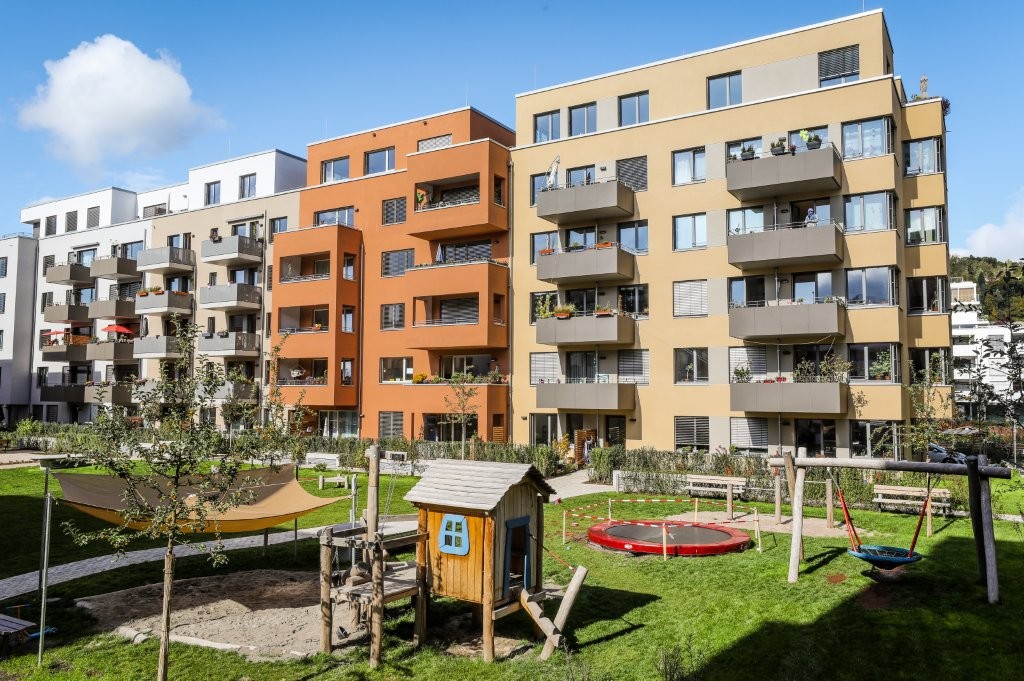
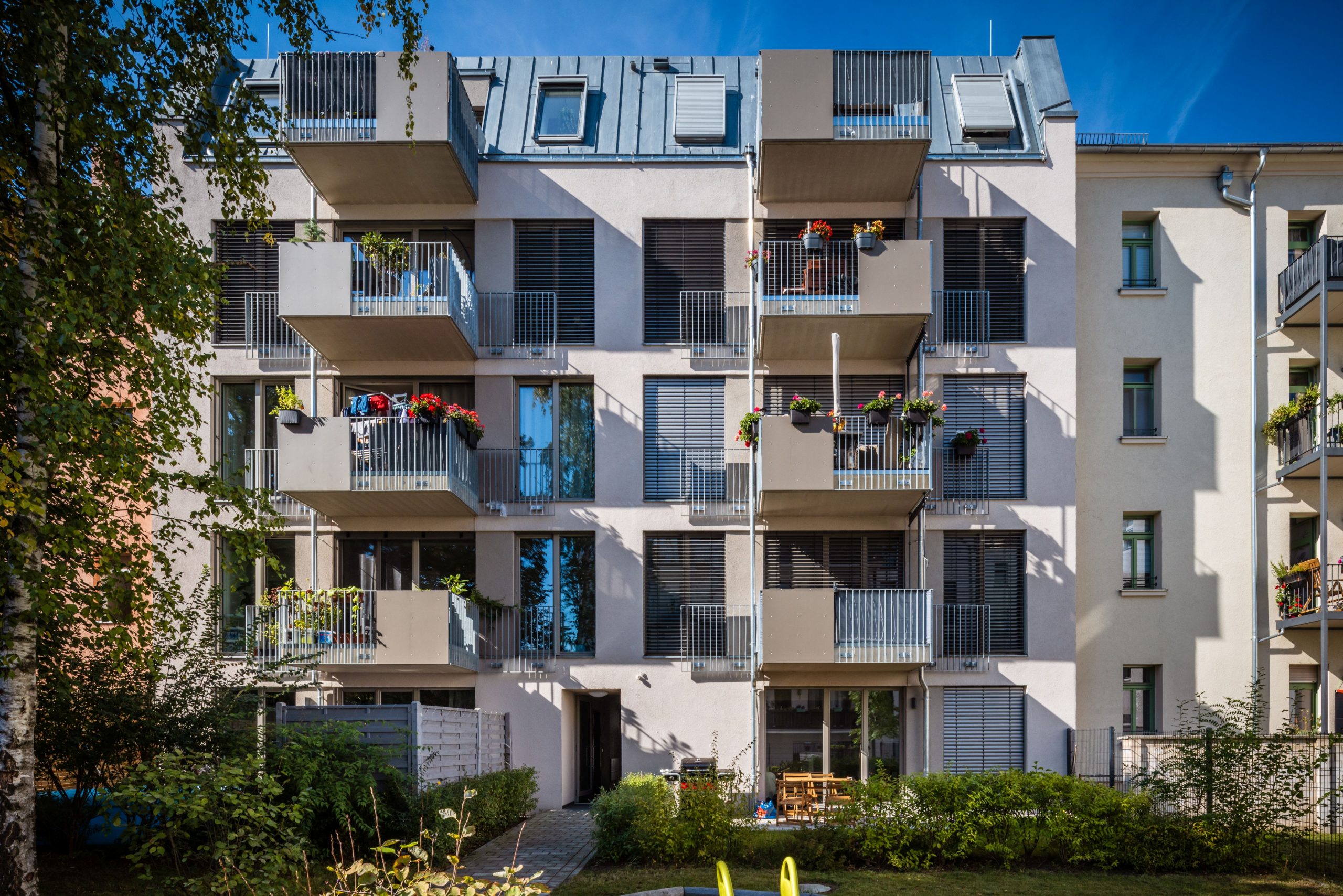
The portfolio comprises residential complexes in six economically strong and growth-oriented locations such as Leipzig, Nuremberg and Tübingen. All properties meet high ecological standards and are characterised by a KfW 40 efficiency house level, district heating connections, photovoltaic systems and other sustainable energy and building concepts, among other things. DGNB Gold certification has already been achieved or is being sought. In addition, the portfolio includes a significant proportion of subsidized and price-controlled housing.
The investment and management activities in the residential sector in Germany will be combined in the newly founded CONREN Land Wohnen GmbH. Antonin Ammann, a long-standing colleague from the company’s own ranks, was appointed as the managing director responsible for operations. He heads the society together with Dr. Matthias Schreier and Timo Thömmes.
“We are already working intensively and successfully on the topic of housing in Spain, where we are currently developing or already building more than 1,000 apartments in various cities together with our partners from CONRENTRAMWAY. The spectrum ranges from price-controlled apartments to a focus on the middle segment with the CT ECE Living project and high-quality apartments, e.g. in the Gloria Diagonal project in Barcelona. The establishment of CONREN Land Wohnen GmbH is now the logical next step in bundling our activities in the housing market in Germany as well and further expanding this structurally relevant segment,” says Dr. Matthias Schreier, co-founder and partner of CONREN Land.
CONREN Land Wohnen’s investment focus is on modern residential properties in the core and core+ segment of 50 residential units or more, especially in the mid-market segment. In addition to the German A cities, the investment strategy also focuses on selected B and C cities with positive demographic and economic prospects.