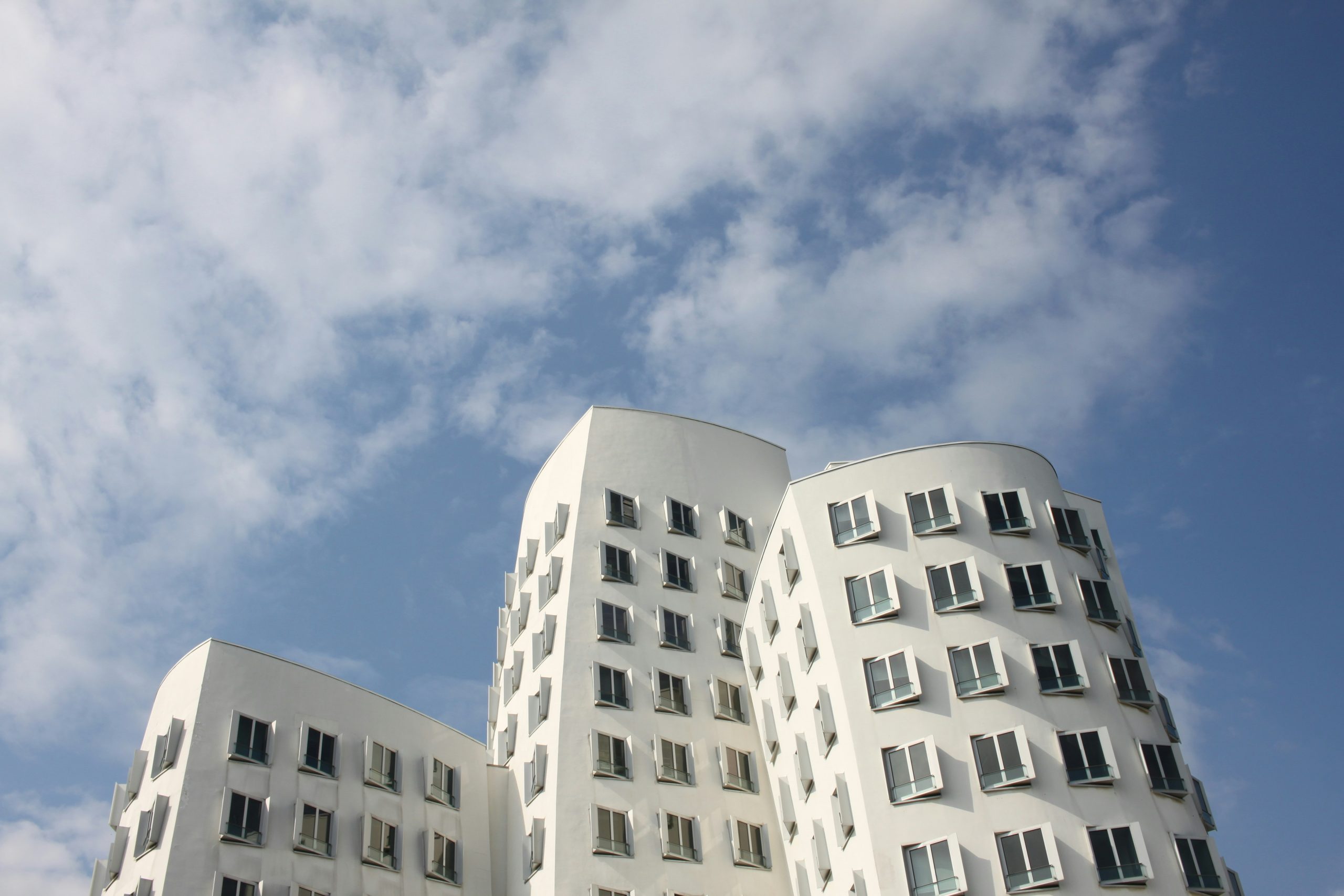
Aengevelt: Waiting for the breakthrough in building construction.
DIP partner Aengevelt Immobilien draws the conclusion from a differentiated analysis of building permits as well as incoming orders and sales in the main construction industry that the weak phase in building construction is not yet over. While new orders in civil engineering have remained stable, they have recently fallen by as much as 9.4% in a calendar and seasonally adjusted three-month comparison in building construction. Since new orders are a more reliable leading indicator of construction activity than building permits, the real estate company concludes that the trend reversal in residential construction has not yet been achieved.
The number of building permits had developed positively nationwide throughout 2025. According to the Federal Statistical Office, 22,200 dwellings were approved throughout Germany in February 2026, an increase of 24.1% compared to the same month a year earlier. According to a study by the Federal Institute for Research on Building, Urban Affairs and Spatial Development, between 93% (in multi-storey residential construction) and 95% (in detached and semi-detached houses) of the building permits issued are actually realised – rates that have remained stable over time. The construction backlog, i.e. the number of apartments approved but not yet completed, had increased sharply by the end of 2022, but has declined again in recent years. The amount of the construction backlog depends on the one hand on the waiting time until a construction contract is awarded, which is determined, among other things, by the availability of subsidies
, possible speculation on a falling interest rate level and capacities of the construction industry. On the other hand, the construction backlog will be increased to around 2.5 years by extending the construction periods.
Due to the time lag between building permit and completion, new orders in the construction industry represent a more reliable leading indicator. In a three-month comparison, the calendar and seasonally adjusted new orders from December 2025 to February 2026 were 9.2% lower in building construction than in the previous three months and 0.4% lower in civil engineering (which benefits from the Federal Infrastructure Initiative). In February 2026, turnover in the main construction industry was even 13.2% lower than in the same month a year earlier in price-adjusted terms.
Dr. Wulff Aengevelt, Managing Partner of DIP partner Aengevelt Immobilien: “Despite the positive development in the number of building permits, we are still waiting for the trend reversal in construction activity, not to mention the completions that will occur with a further delay. In view of the continuing reluctance to build new housing, the housing shortage in the major cities will continue and lead to rent increases due to shortages. The construction turbo of the federal government is therefore not yet having a resounding effect. In view of the widening gap between the development of land and construction costs and the rents that can be achieved, an effective stimulation of residential construction requires further relief from the cost-driving regulatory requirements as well as improved tax conditions and subsidies in the rental and property
sector.”