The German hotel market is also resilient in the second quarter of 2026. Despite geopolitical uncertainties and a challenging financing environment, the industry is benefiting from stable demand. Business travel, trade fair and congress events as well as continued high levels of leisure travel ensure solid fundamentals. With a transaction volume of around EUR 625 million in the first half of the year, it is clear that valuable hotel investments are possible despite the challenging market environment – provided that the operating basis is right.
Tourism remains a key driver of demand
In particular, the large urban and metropolitan regions as well as established leisure destinations recorded stable demand for overnight stays and constant occupancy rates in the first half of the year. The main driver of this development was robust domestic demand. In addition, structural trends such as shorter but more frequent trips, the increasing integration of business and leisure stays (“bleisure”) and the growing demand for flexible accommodation concepts are providing additional impetus. Hotel projects outside the classic metropolitan locations are also increasingly benefiting from this development.
Operator quality is increasingly determining investment decisions
Analogous to the development on the European hotel investment markets, the focus of many investors is increasingly shifting to the operational performance of the operators. Their creditworthiness, the scalability of the business model, efficient cost structures and the design of lease and management contracts are increasingly determining risk assessment and pricing. Operators with strong brands, digitized processes and efficient cost structures in particular benefit from this development.
Consolidation and new operator models are shaping the market
At the same time, consolidation in the operator environment continues. Platforms with scalable brands as well as hotel companies with strong cost and technology expertise continue to expand their market position. International hotel groups are once again focusing more on the German hotel market. In particular, changes of operator, restructuring and expiring contract structures create space for new market participants and concepts. New players such as Brown Hotels or Prism are increasingly entering the market and expanding the spectrum of established operator and brand concepts. Structured partnerships as well as platform and joint venture models are becoming increasingly important and are increasingly shaping the market structure. They enable investors to become more involved operationally and thus actively shape value creation.
Flexible operating concepts drive transaction activity
Serviced apartments continue to be one of the dynamic segments of the hotel market. Increasing professional mobility, the immigration of international skilled workers and the ongoing housing shortage are driving demand for temporary forms of housing and at the same time strengthening interest on the investor side. This is also reflected in the investment market: in addition to classic hotel transactions, extended stay products in particular have also become the focus of institutional and private investors. The sale of a Penta Hotel portfolio for more than 100 million euros was the largest portfolio transaction of the first half of the year. At the same time, the sale of the luxury resort “Der Öschberghof” and the “BMW Boarding House” in Munich attracted a great deal of attention. These transactions show that today it is not so much the product segment that determines investment success, but rather the quality of the respective asset, the operator constellation and the individual investment story.
The interest rate adjustment increases price sensitivity
The recent adjustment of the ECB’s key interest rates has brought the financing side back into focus. In the short term, this does not trigger a blanket repricing of the hotel market, but it does increase investors’ sensitivity to financing costs, exit yields and the long-term sustainability of leases.
International investors are once again increasingly focusing on Germany
The interest of international investors in the German hotel market continues to grow. Germany continues to be regarded as a transparent and comparatively stable market, with operator quality, contract structures and the long-term profitability of assets increasingly coming to the fore in investment decisions.
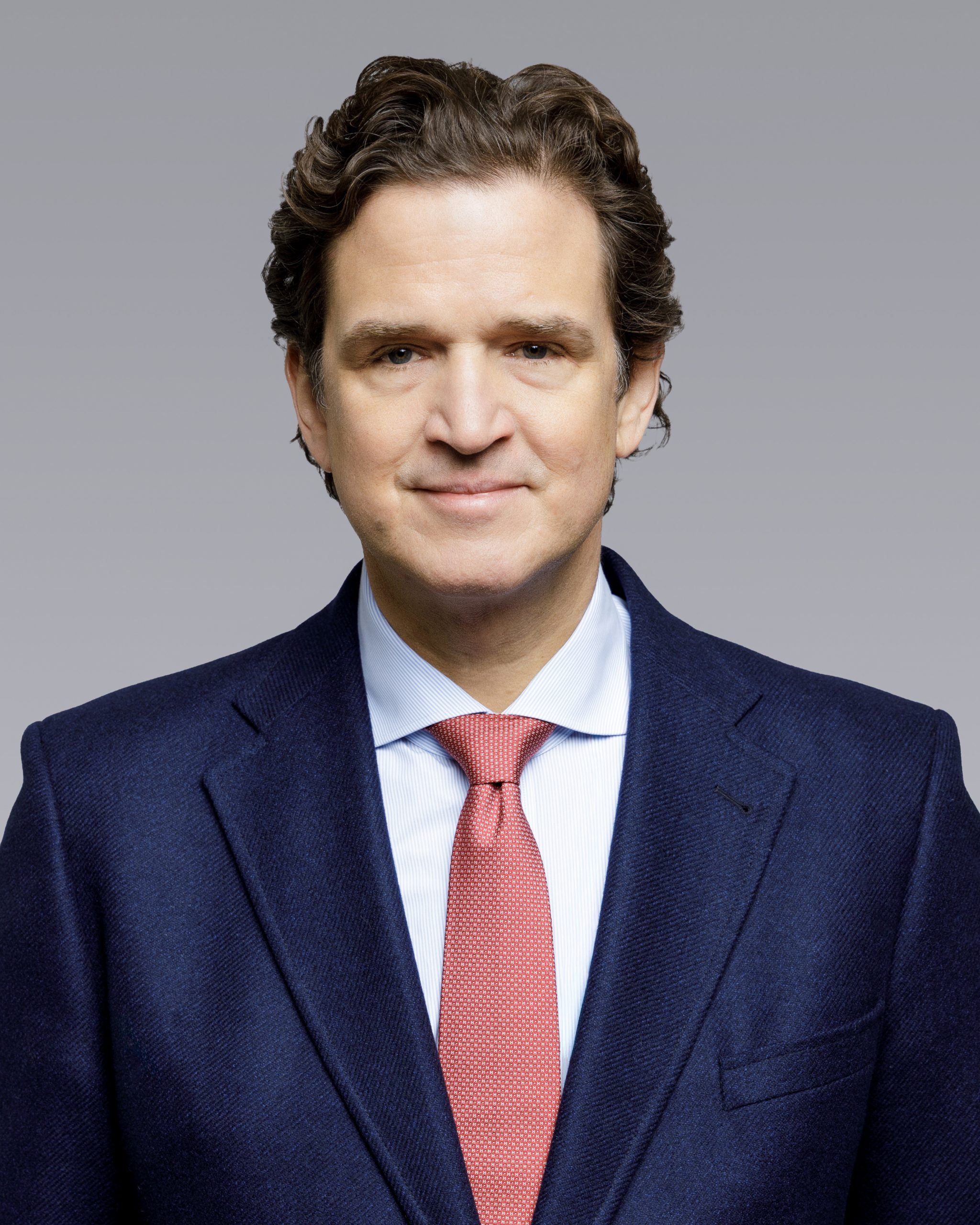
“We are currently observing an increasing interest in Germany and Europe among international investors. The focus is not only on individual properties, but increasingly on platforms, operator structures and vertically integrated investments that enable scaling and operational value creation,” says Andreas Ewald, Head of Hotel Germany and Co-Head EMEA Hospitality Group at Colliers.
At the same time, other owner-operator platforms are pushing ahead with their expansion into Germany. This development is supported by Europe’s attractiveness as an investment location. Against the backdrop of persistent global uncertainties, the continent is once again attracting more international capital flows.