How can sustainable and circular construction be implemented in concrete terms in existing buildings? There is no shortage of knowledge, tools and good examples. Rather, the challenge lies in quickly finding the right information and tools in everyday planning and project work. The Association for Building in Existing Buildings (BiB) has therefore developed a curated collection of links with “Sustainable! Circular! But how?” that brings together existing knowledge in a structured way and makes it more accessible for practice.
The collection bundles selected guidelines, digital tools, databases, knowledge platforms, best practice examples and further training courses on sustainable and circular construction in existing buildings. It is aimed in particular at architects, planners, building owners, municipalities and other stakeholders who work with existing buildings. The aim is not to create new instruments, but to make existing solutions visible and to shorten the path from a fundamental willingness to concrete implementation.
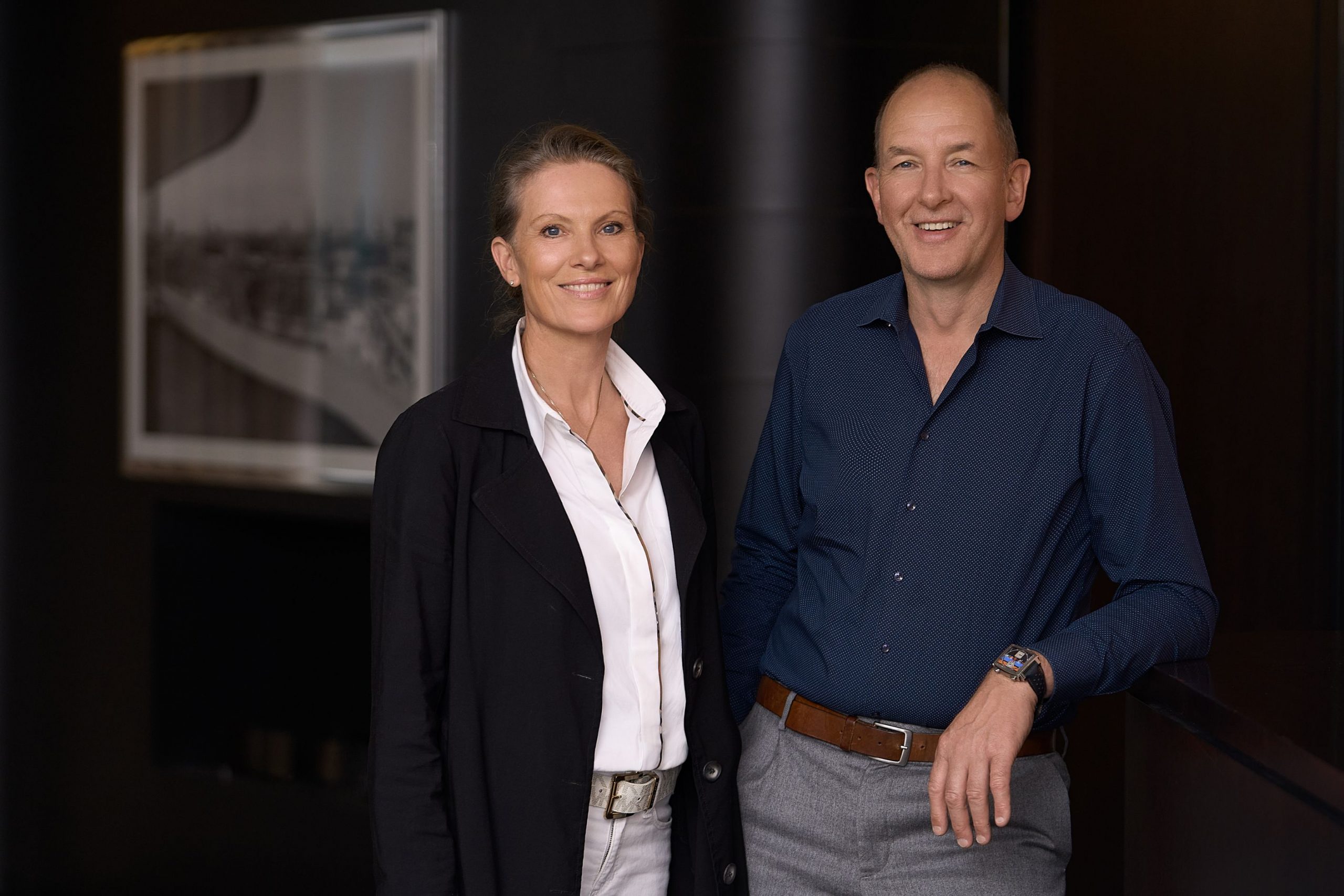
“The decisive question is no longer whether we need to deal with our building stock in a more sustainable and circular way, but how we implement this in daily practice. This is exactly where we want to start. There is already a lot of knowledge and very good tools, but they must be findable and applicable by those involved. With our collection, we are providing orientation and making it easier to get started with concrete implementation,” says Sarah Dungs, BiB Chairwoman.
The existing building as a starting point
The basic idea of the guide is to consider existing buildings, supporting structures and components as a resource. Before new planning, production and construction begins, it should be checked which existing substance can be preserved, adapted, reused or reused. After all, existing buildings contain not only materials, but also energy, emissions and work that have already been used.
The link collection therefore deliberately starts with existing buildings and covers various issues along the planning and implementation process. Among other things, it leads to knowledge platforms and best-practice projects, tools and calculation aids for the evaluation of resources, emissions or economic viability, as well as guidelines and guidance for circular construction. The offer is supplemented by literature, webinars and references to specialist planners and corresponding networks.
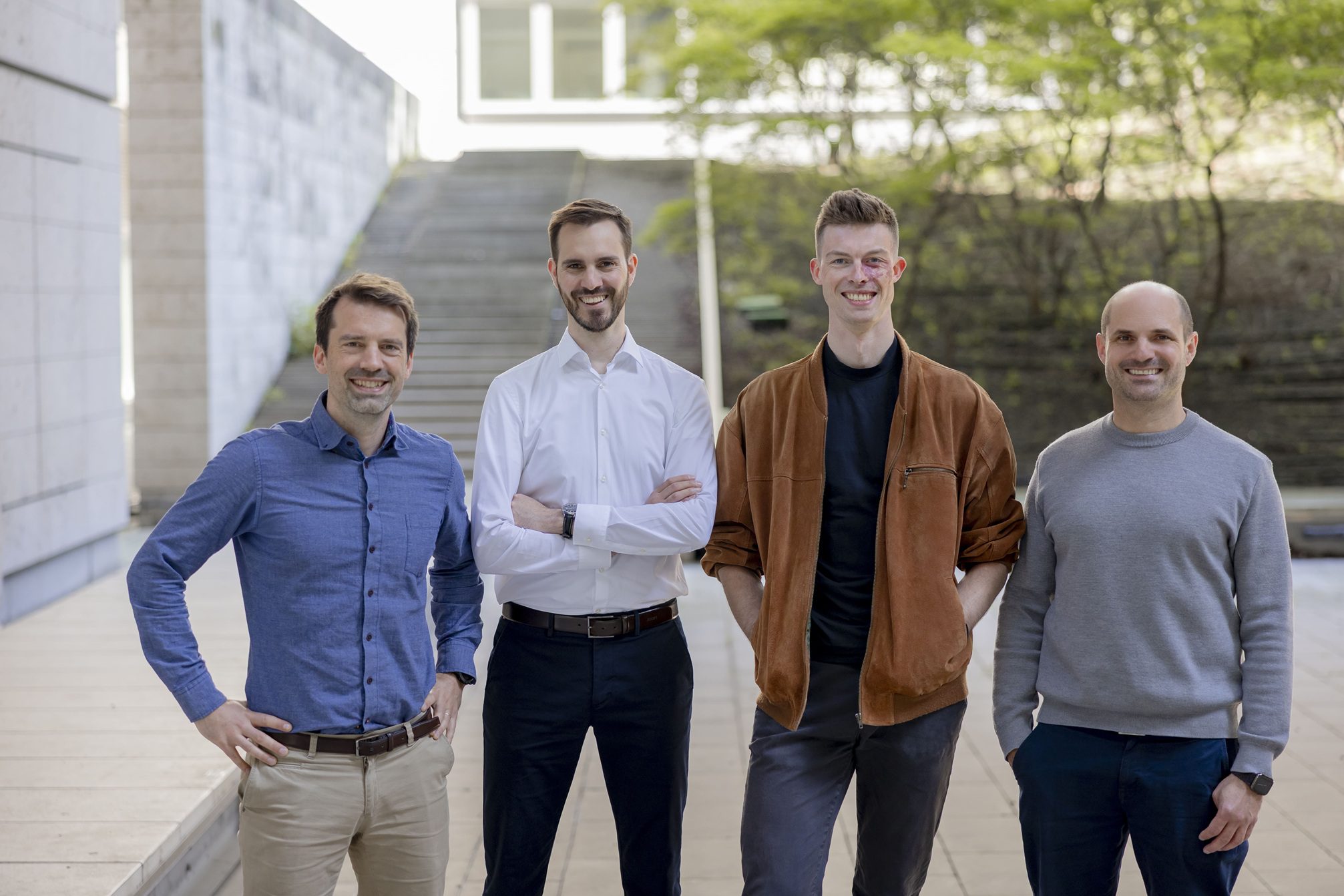
“Circular construction must not remain a special topic for individual pioneers. In order for it to work on a broad scale, we need to simplify access to knowledge and show which solutions are already available today. Especially in existing projects, the starting points are very different. This makes it all the more important to quickly find the right tools, examples and contact persons for the respective task,” explains Annabelle von Reutern, Advisory Board Member for Circularity.
From climate balance to urban mining
The spectrum of the collected offers ranges from instruments for life cycle assessment and the assessment of decarbonisation pathways to information on climate risks and funding opportunities to urban mining marketplaces and guidelines for circular planning and construction. Topics such as the reuse of building components, building resource passports, climate resilience, energy-efficient renovation or single-type construction are also taken into account.
A glossary also explains key technical terms from the areas of the environment, climate protection and circularity. In this way, the collection is also intended to provide users who have not yet dealt in depth with individual topics of sustainable construction in an uncomplicated way.
Collection to continue to grow together
“Sustainable! Circular! But how?” is not understood by the BiB as a completed compendium, but as a practice-oriented working tool that is to be further developed. Owners, planners and other interested parties are expressly invited to contribute their own experiences and tips and thus contribute to the expansion of the collection.
Experts from the association’s network were involved in the development. The BiB would like to express its special thanks to Annabelle von Reutern and Benjamin Pleuser, Environmental Advisory Board, for their impulses and their contribution to the development of the collection. The curated link collection “Sustainable! Circular! But how?” is available for download free of charge on the BiB website: https://fuerbauenimbestand.de/bib-linksammlung