HELIX alpha has published the white paper ‘European Life Science Real Estate – Two Poles. One Spectrum. An Institutional Framework for Guidance’. In this paper, the specialist European investment and advisory platform examines the various structures within life science real estate and their significance for institutional property portfolios. The focus is on how operating models, the distribution of investment and operational responsibilities, and building and location qualities impact the risk-return profile.
The white paper is aimed in particular at institutional investors. At the same time, it provides a common basis for dialogue with property companies, users from the life sciences sector and stakeholders in European life sciences ecosystems. It is intended to contribute to the further professionalisation of a market in which specialised property is an essential prerequisite for research, development and production.
Two poles of a diverse spectrum
Life Science Real Estate encompasses property across the entire value chain, such as facilities for research and testing, as well as production and distribution. The white paper places particular emphasis on laboratory premises and their various operating models.
At one end of the spectrum are shell-and-core facilities: the owner provides the specialised building and the basic technical infrastructure, whilst the user finances and operates significant parts of the laboratory fit-out and its scientific infrastructure themselves. At the other end of the spectrum are Operated Laboratories, where an operator provides not only the space but also scientific infrastructure, operational support and other services. In between lie various forms of laboratory premises, equipped and supplemented with services.
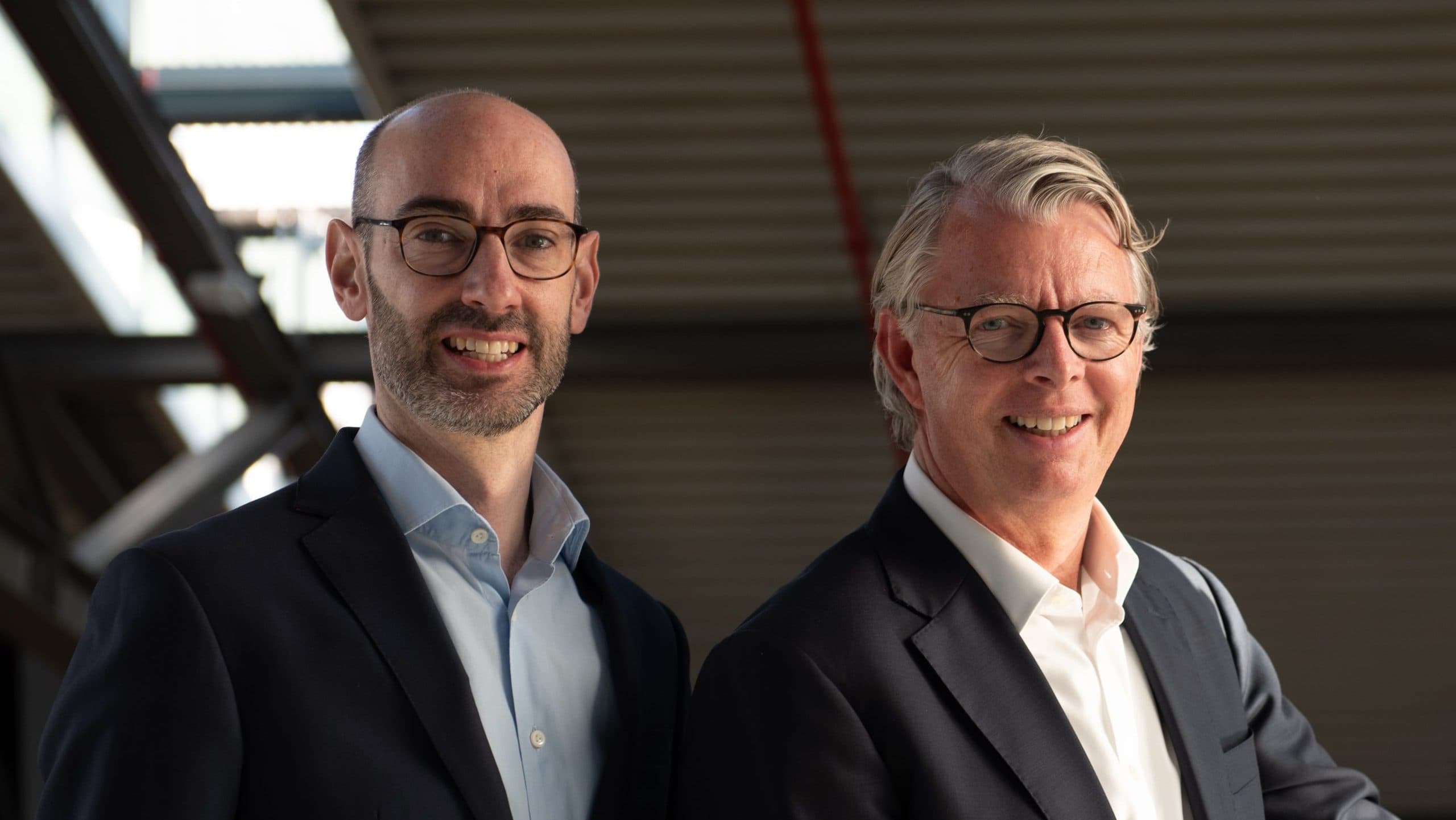
“In discussions with institutional investors, I am regularly asked about the specific risks associated with life sciences property. To provide a robust answer, it is necessary to distinguish between different segments within the sector. A research building let on a long-term basis to an established company operates according to a different economic logic to a laboratory platform run for start-ups. With our white paper, we aim to make these differences clearer and to support a well-founded institutional assessment,” says Martin Eberhardt FRICS, founder and CEO of HELIX alpha.
Assessing buildings and the ecosystem together
Another key focus is the location logic of the life sciences. The quality of a location stems largely from the interplay between science, business, capital, politics and the social environment. This is why even cities outside the major property markets can be significant life-sciences hubs, such as Heidelberg, Oxford or Leiden in the Netherlands.
For investors, the quality of this ecosystem influences both long-term demand for space and the prospects for re-letting. A property’s suitability for future occupiers therefore depends on its technical adaptability and its location.
Long-term leases, significant investment by occupiers, and technical and regulatory switching costs can all contribute to strong location lock-in. The white paper identifies these factors as potential foundations for resilient property cash flows, which must be assessed in detail within the context of each individual investment case.
Institutional capital for innovation infrastructure
HELIX alpha uses the term ‘capitalisation gap’ to describe the comparatively narrow institutional capital base for specialised life sciences property in Europe. Whilst established sources of capital exist for research, innovation and business growth, the long-term financing of physical infrastructure requires a dedicated investment approach.
“The key factor is which structures within the spectrum are suited to the respective investment mandate. The lease agreement, tenant creditworthiness, capex allocation, operating model and the quality of the buildings and clusters must collectively support the targeted risk-return profile. A detailed analysis can identify suitable life sciences properties for institutional portfolios,” says Patrick Schlump, Managing Partner at HELIX alpha.
The white paper summarises the analysis in terms of five questions: What return-risk profile is being sought? Who is responsible for development and operation? Does the property support the long-term investment case? How sustainable is demand within the cluster? And does the specific asset align with the objectives of the investment mandate?