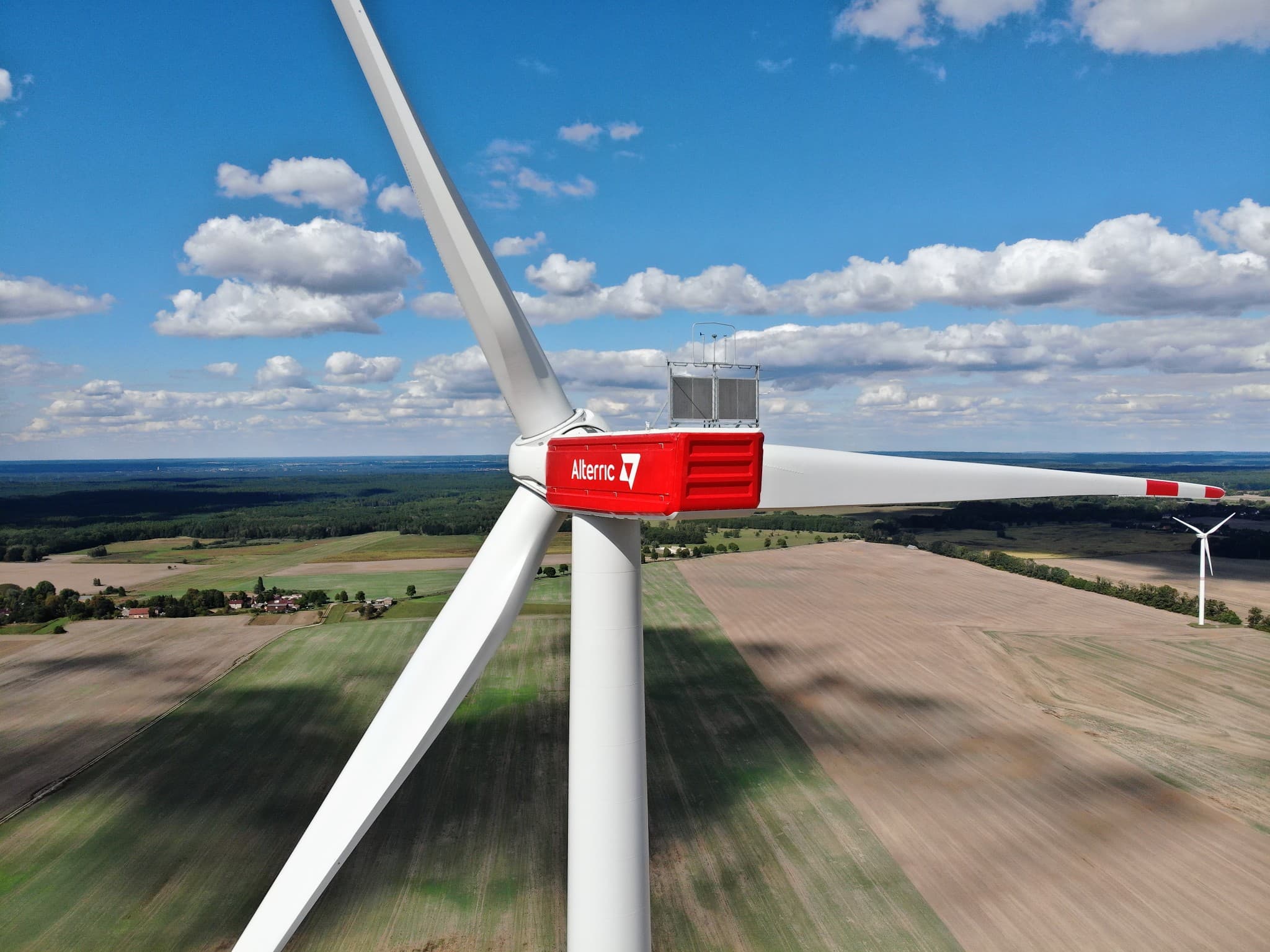
In its cabinet meeting yesterday, the German government adopted the 2027 amendment to the EEG and the so-called grid connection package. In a position paper published on the subject, the energy park operator Alterric criticizes the regulations provided for in it as a massive brake on the expansion of renewables. From the company's point of view, the Federal Cabinet is thus jeopardizing the transformation and international competitiveness of the German economy and industry, which is urgently dependent on cheap and secure energy.
"In the current version, both projects drive up the levelized cost of electricity and weaken the competitiveness of our industry in the long term. Especially in times when companies are already under enormous international competitive pressure, this is a fatal signal. Instead of improving the framework conditions for investments, the designs create additional uncertainty and costs," says Dr. Frank May, CEO of Alterric. "The process behind it is all the more incomprehensible: a three-day feedback period for two legislative projects with such far-reaching significance for the energy transition and the business location are simply unacceptable. The lack of security of existence for investments made long ago cannot remain in this way either. System conversions of this magnitude require practical transitional periods. The Bundestag is now called upon to thoroughly sharpen and correct the parliamentary procedure."
Grid connection package remains a brake on investment
Compared to the previously leaked drafts, the federal government has made improvements: The designation period for so-called "capacity-limited areas" has been reduced from 10 to 6 years (with the option of a one-time extension of 18 months). The threshold for triggering will increase from three to five percent, and the amount free of compensation will be capped at 18 to 20 percent of annual electricity generation. However, these adjustments are far from sufficient to avert the brake on the expansion of renewables.