KINGSTONE Real Estate: Nursing home operators face multiple challenges
KINGSTONE Real Estate: Care property operators face multiple challenges. Demographic change is increasing the need for care places – at the same time, the system is coming under pressure due to the limits of caring for relatives. Expansion of services fails, among other things, due to a shortage of skilled workers and rising operating and personnel costs, exacerbated by high bureaucracy. New construction and modernization are difficult to present without adequate refinancing; Investors need reliable framework conditions. Digitization and AI noticeably relieve teams (documentation, duty planning) and become the key to efficiency and quality.
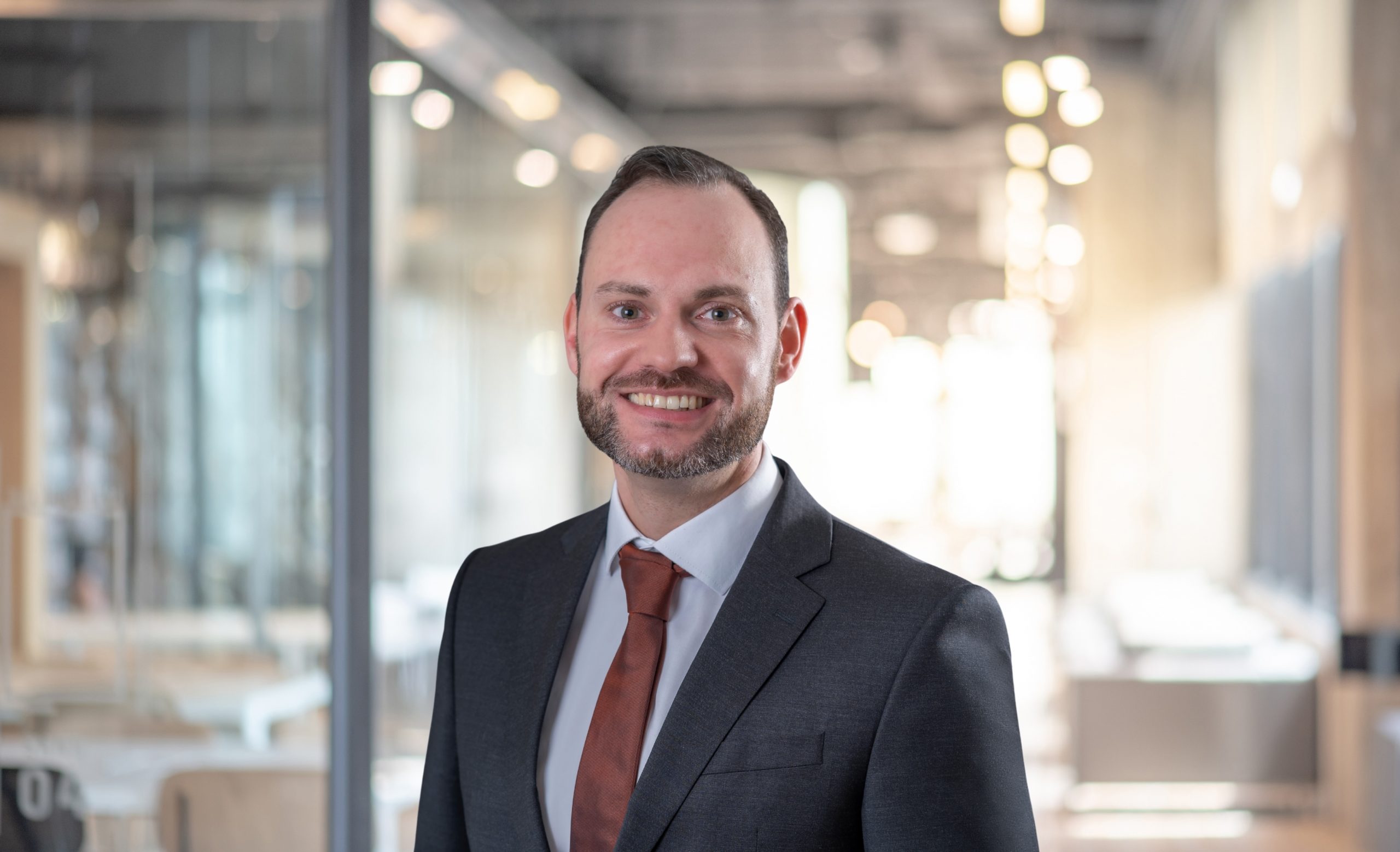
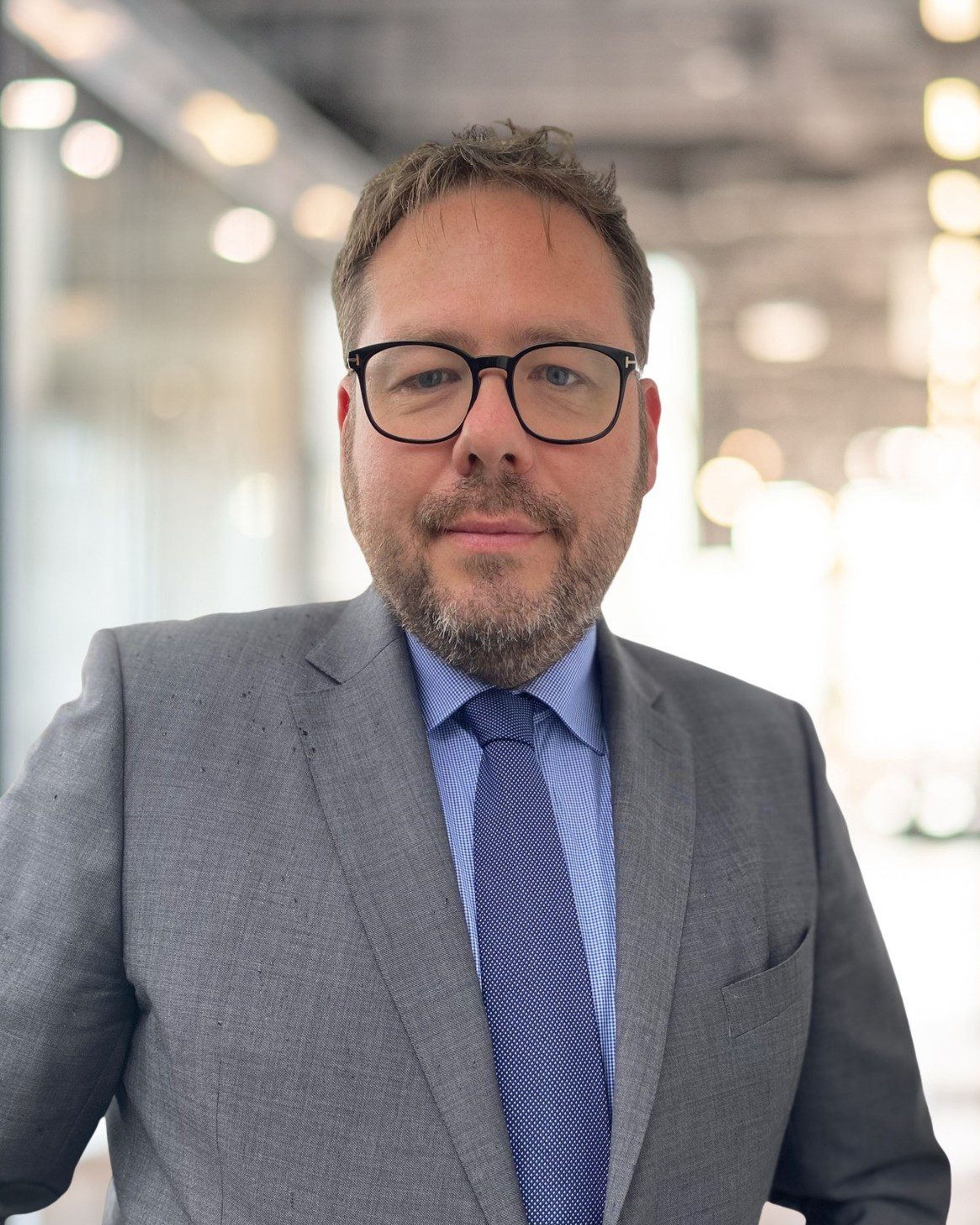
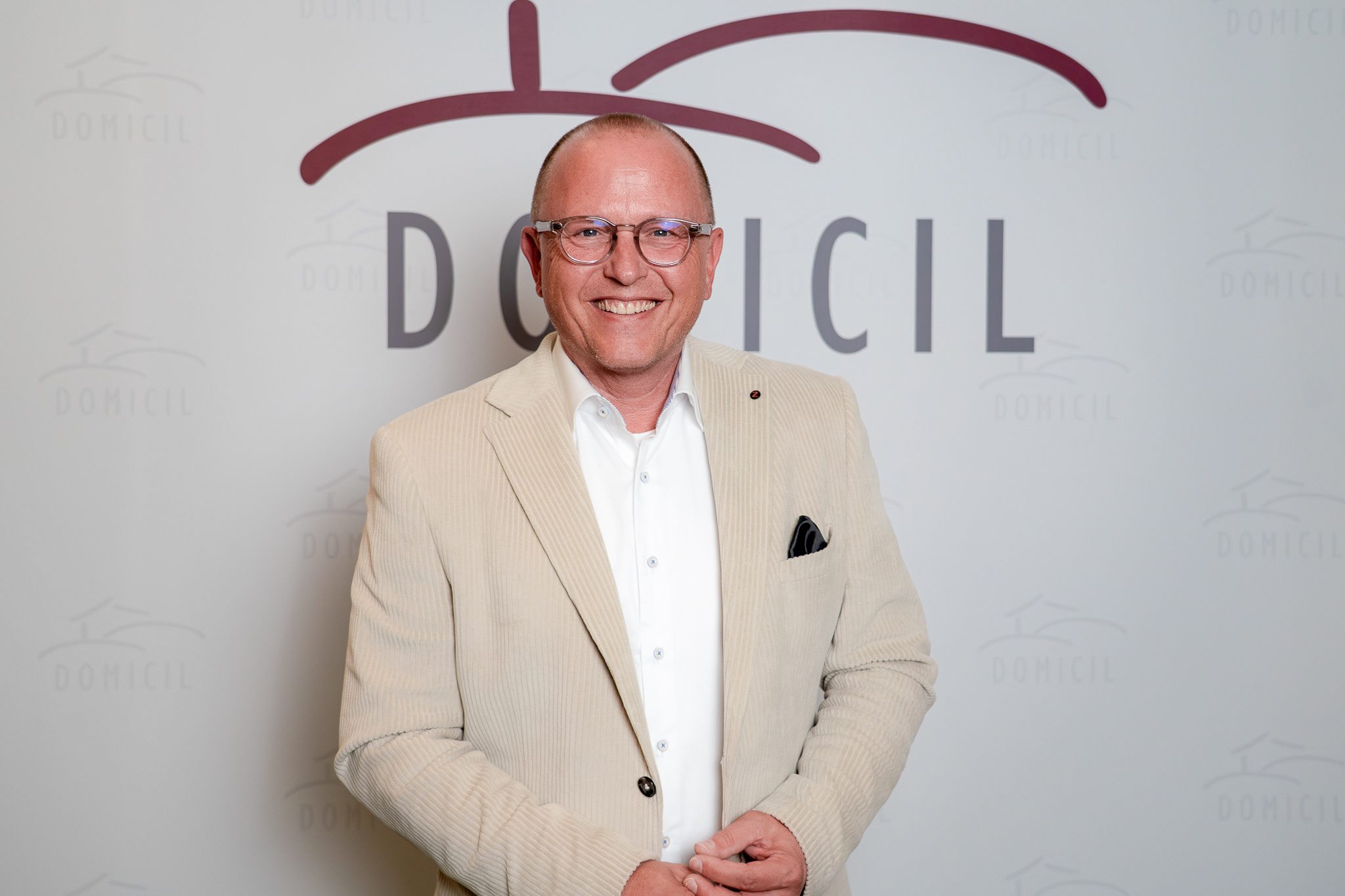
The nursing home market is under pressure from two sides in parallel: demographic change is creating growing demand, while at the same time the operator landscape is being burdened by a shortage of skilled workers, rising costs and a tight regulatory corset. In the webinar “Care in Transition – Operators between Growth and Reality”, Maximilian Radert, Head of Product Development & Research at KINGSTONE Real Estate, Mathias Staudt, HealthCare Expert at KINGSTONE Real Estate, and Christian Nitsche, Chairman of the Board of DOMICIL Senior Residences, discussed which strategies enable growth.
Demographic tailwind – but fragile supply pillar
Around 5.7 million people in need of care receive benefits. The majority are cared for on an outpatient basis or by relatives. Only a smaller proportion live as a full inpatient. “The system is supported by the caring relatives. The decisive question is what happens if those in need of care can no longer be cared for at home. Then the supply will be massively shaken,” says Christian Nitsche. In this context, Maximilian Radert emphasized that the aging population has long since ceased to be just a social issue, but can become “a systemic risk” – and thus requires a priority for society as a whole. When expanding the offer, operators are limited less by demand than by resources, according to Nitsche: “The bottleneck is exclusively the shortage of skilled workers.” This is increasingly affecting service areas such as the kitchen or cleaning. In order to secure capacities, more pragmatic requirements and less bureaucracy are needed – without losing quality standards to people.
Investor role and refinancing: No new construction without reliable framework conditions
A second core obstacle is investment. Nitsche described the dilemma of rising construction and operating costs, pressure to modernize and limited refinancing options. For new construction and renovation, politicians must acknowledge the realities and adapt refinancing systems. Mathias Staudt added: “Only two federal states – Baden-Württemberg and NRW – apply an adequacy regulation to new buildings and align the refinancing at least with the construction cost index. At the same time, the stock is overaged in many places. Private operators and institutional investors are therefore central to maintaining and expanding supply capacities.”
Digitization as an efficiency lever: Time back to bed
The speakers consistently named digitization as a common strategy for the future. Staudt emphasized that streamlined processes and digital tools are crucial to relieve employees and gain time for caring for people. “At DOMICIL Senior Residences, we work with electronic documentation, AI-supported speech recognition and intelligent duty scheduling to reduce this routine effort. Our goal is to get employees out of the office and to the patient,” Nitsche reports from practice.
Result
The webinar shows that care needs growth – but growth needs staff, sustainable refinancing and reliable political guardrails. Investors can enable capacities, operators provide supply expertise. Without reforms and bureaucracy reduction, however, there is a risk of bottlenecks in a market with structurally increasing demand. Nursing care is a highly relevant asset class for institutional investors, but it requires specific know-how – from regional demand and purchasing power structures to regulatory systematics and the logic of co-payments and operator requirements – in order to integrate these factors into a coherent, viable overall concept. Maximilian Radert summed up the claim: “It is crucial to understand care as an indispensable task for the future – only then can demand and supply be brought together in the long term.”