Munich real estate market in 2026: Growth meets bottlenecks and increasing pressure to transform
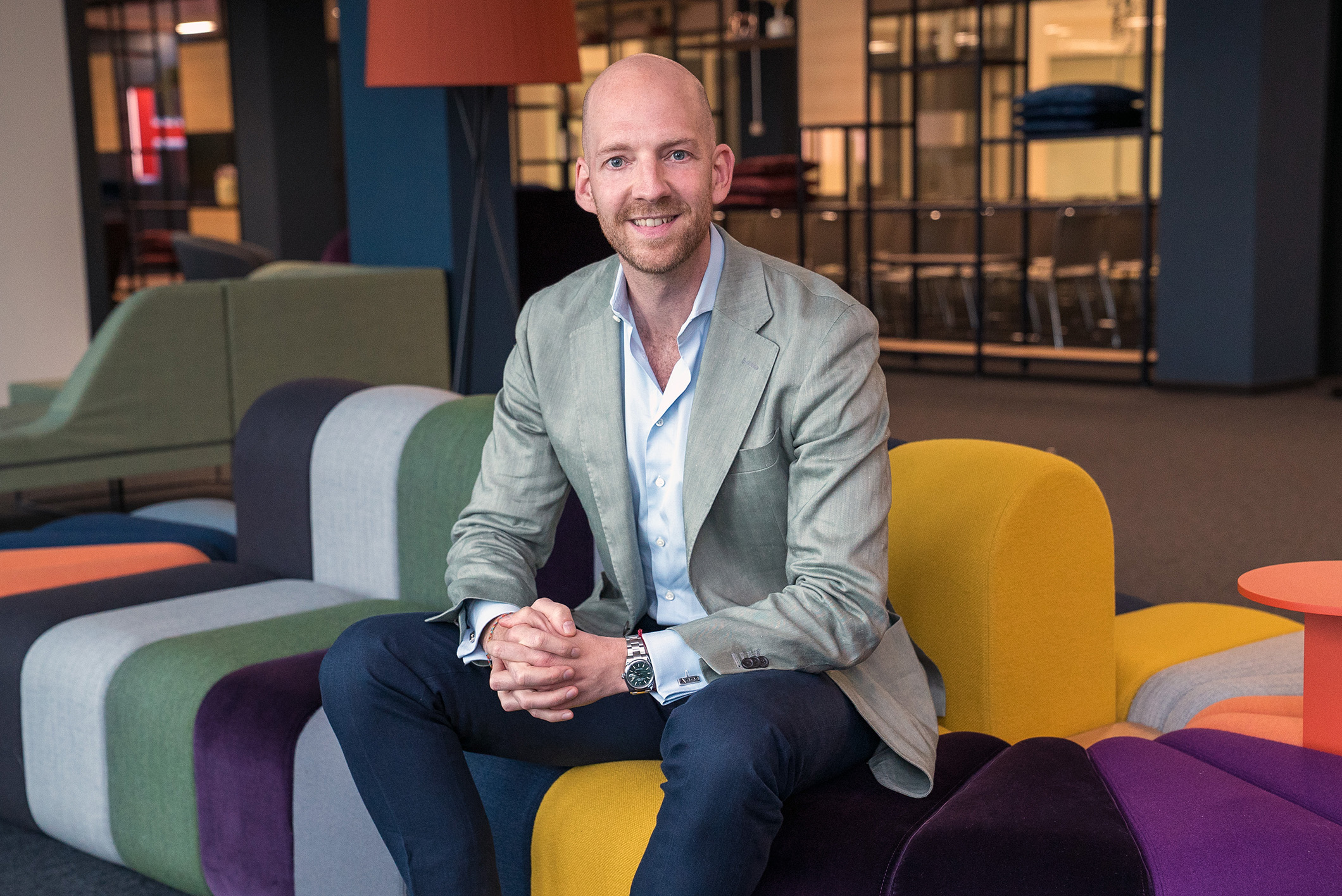
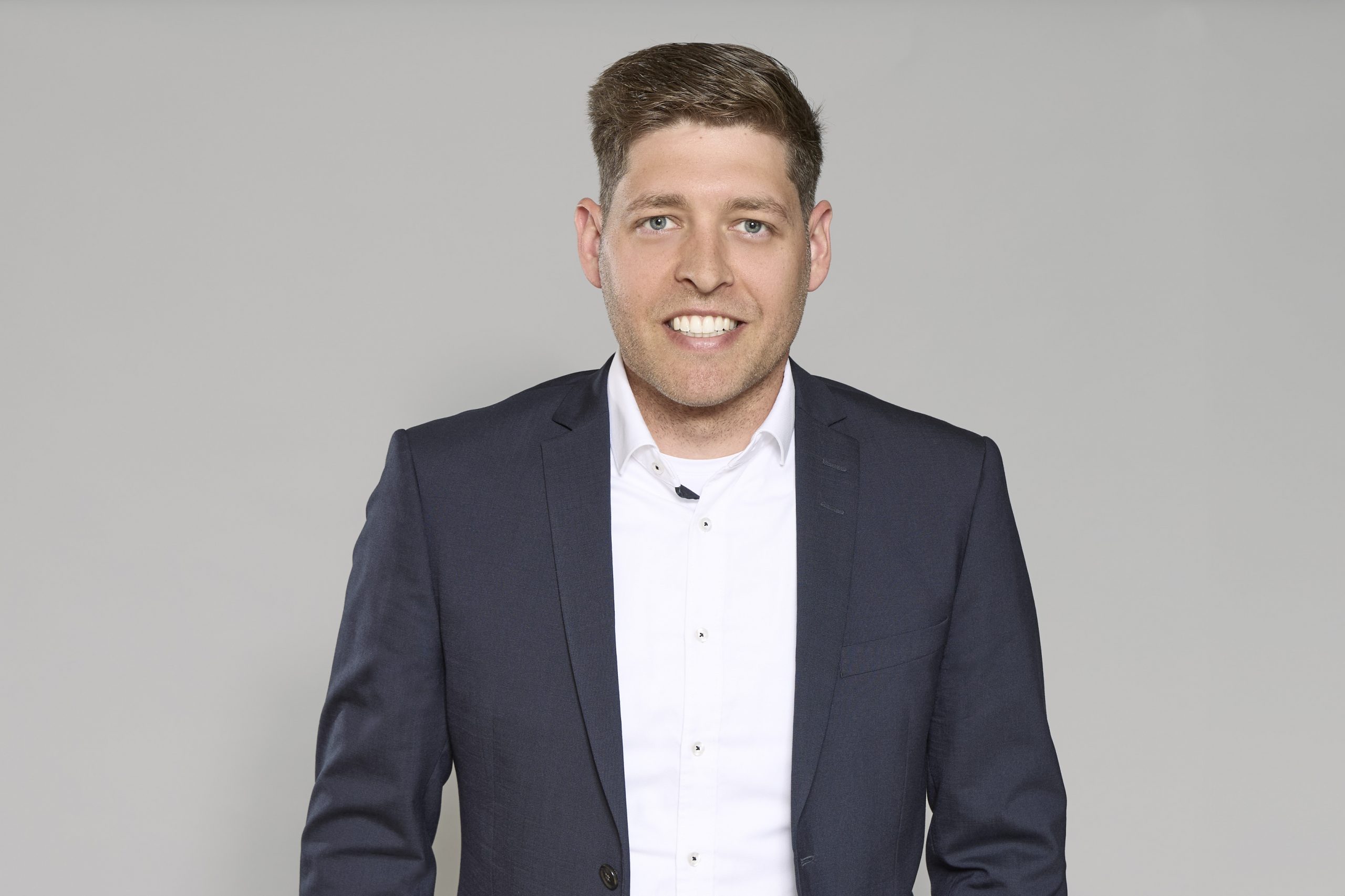
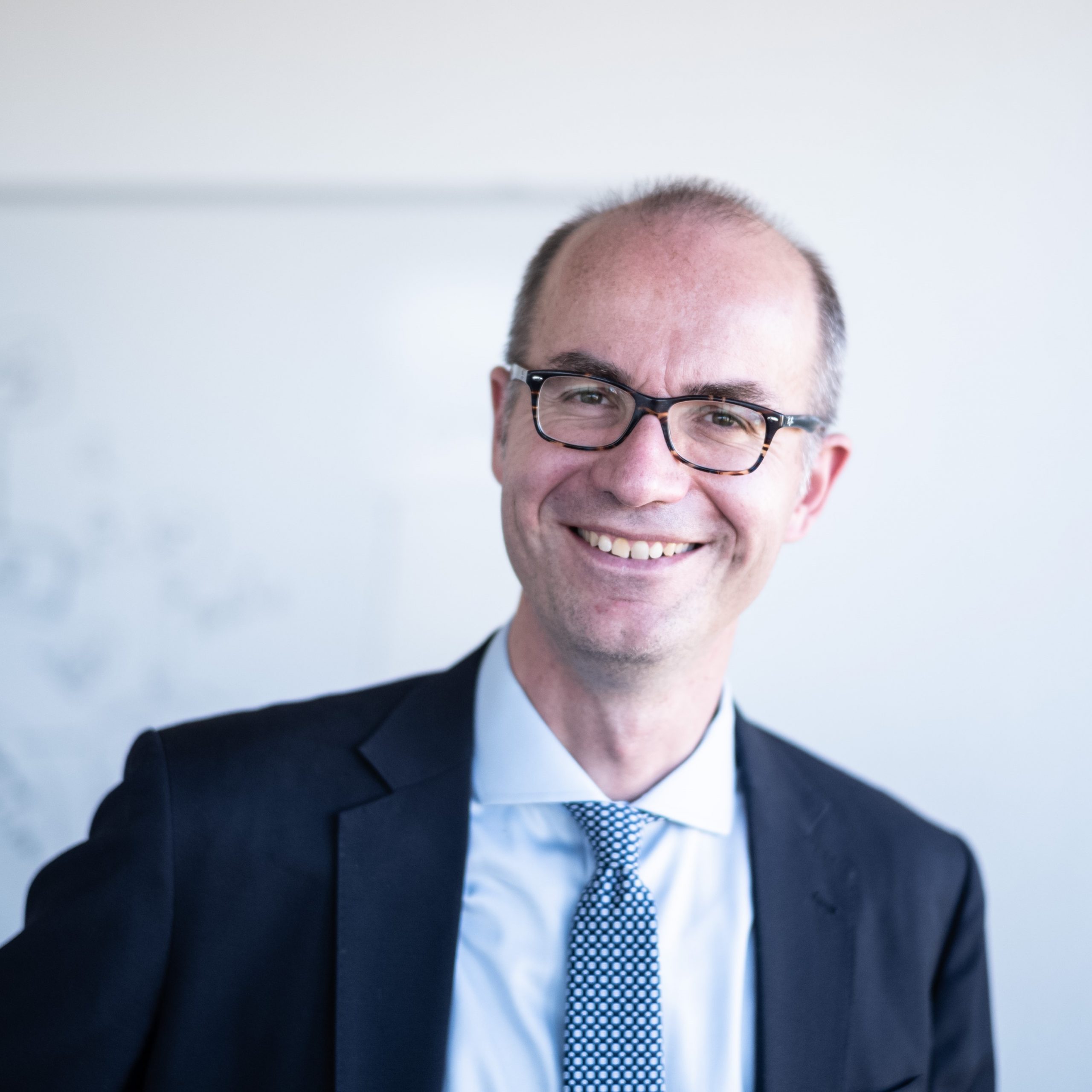
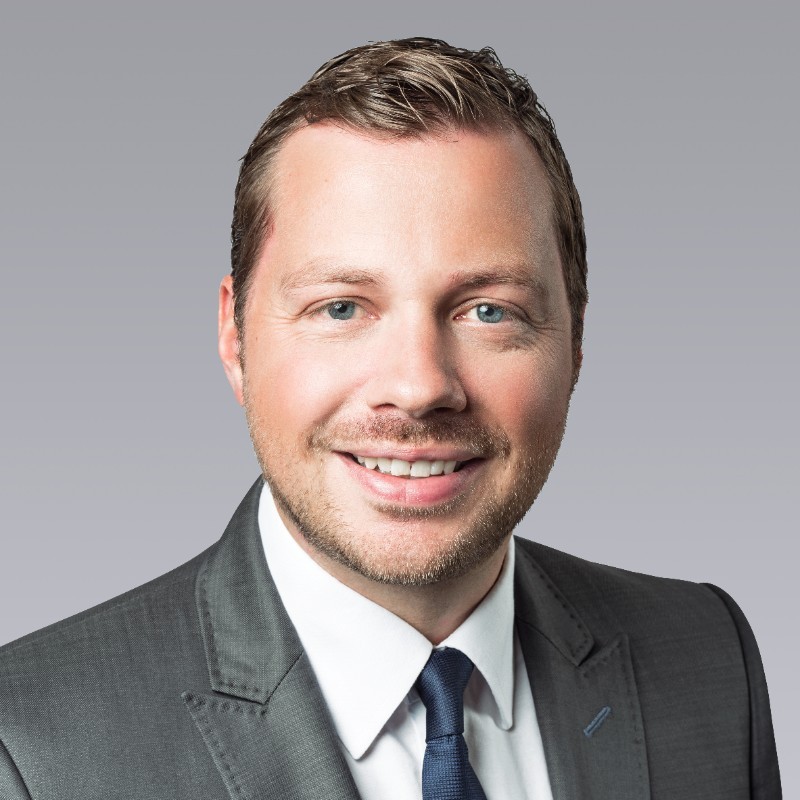
The Munich real estate market is facing a challenging starting position in 2026. While economic fundamentals continue to develop positively, rising financing costs, geopolitical uncertainties and structural bottlenecks are increasing the pressure to adapt. These are the key findings of a press conference on the Munich real estate market with Tobias Seiler, Senior Director Market Intelligence & Foresight at Colliers in Munich, Fritz Roth, Managing Director at Preaclarus Invest and former member of the Munich City Council, Fabian Herrmann, Senior Fund Manager at Catella Investment Management, and Jens Fieber, Managing Director of HIH Projektentwicklung.
Dynamic growth, limited implementation capacities
Munich continues to grow significantly: The population is currently around 1.52 million and is expected to increase by around 48,700 people in the next five years. Munich also has to face the economic and structural challenges, the city remains attractive for companies thanks to the diversity of industries and the very good framework conditions.
“The figures show how strongly Munich continues to grow – and how great the pressure on the real estate market is. At the same time, many projects fail due to rising construction costs. Lengthy approval procedures due to complex substantive requirements exacerbate the situation. As a result, supply and demand are drifting further and further apart,” says Fritz Roth, describing the situation.
The capital markets are also influencing developments, as Fabian Herrmann knows: “The uncertainty on the capital markets and the increased financing costs mean that many investors are acting cautiously. In addition, pricing in many segments has not yet been completed, which is further slowing down transaction momentum.”
Housing market: Rising rents with falling construction activity
Munich’s housing market remains structurally undersupplied. While demand is rising continuously, construction activity is declining significantly. Completions remain below the city’s target values, and at the same time, numerous approved apartments have not yet been realized.
The development of rents illustrates the pressure: Average asking rents have risen continuously in recent years – from around 16.90 euros per square metre in 2018 to around 20.20 euros in 2025 for re-lettings, and up to 23.60 euros for new buildings. At the same time, the purchase price factors for apartment buildings have fallen from peaks of around 43 in 2022 to about 27 in 2025.
Fabian Herrmann classifies: “We are currently seeing a clear decoupling of rent and purchase price development. While rents are rising, valuations have adjusted significantly. For investors, this means more discipline in acquisitions, but still stable earnings prospects in the residential segment.”
“The positive demographic and economic conditions will further increase the pressure on the housing market. Without a significant expansion of construction activity, the shortage of supply will continue to worsen,” adds Tobias Seiler.
Fritz Roth points to untapped potential: “The high number of approved but not built apartments clearly shows that we have an implementation problem. If we get faster here, we can take some of the pressure off the market.”
Office market: Rising vacancies and increasing polarisation
The Munich office market will develop in a differentiated way in 2026. Take-up in the previous year was around 540,000 square metres, while around 628,500 square metres of office space is under construction – of which around 41 per cent has already been pre-let. Major tenants are becoming more active again and played a central role in the demand for office space at the beginning of 2026.
The vacancy rate has risen to around 10 percent, with significant differences depending on the location: in central areas it is around 5.1 percent, in district locations and in the surrounding area it is over 12 percent.
“This development shows the increasing polarization of the market. High-quality space in central locations remains in demand, while vacancy rates in peripheral locations are rising. This trend will continue to shape the market,” explains Tobias Seiler.
Prime rents continue to rise and are now around 61.50 euros per square metre, in some cases even significantly higher. Average rents are developing more moderately at around 26.40 euros.
Jens Fieber sees clear consequences for project developers: “The market is changing noticeably. Especially with older portfolios, we have to break new ground in order to make these properties competitive again. Revitalization, flexible usage concepts and sustainability play a central role in this.”
This is also reflected in current projects of HIH Projektentwicklung: In Paul-Heyse-Straße, an office building with around 8,400 square meters of gross floor space is being comprehensively modernized and expanded, including new uses such as a café, bicycle infrastructure and digital equipment. The project volume is around 65 million euros.
In Sendlinger Straße, a mixed-use building with an area of around 3,650 square metres is being revitalised. Listed structures will be retained, while at the same time modern sustainability standards will be implemented, which, among other things, will enable a CO₂ reduction of around 50 percent.
Fieber emphasizes: “Integrated approaches are crucial, especially for complex projects. It is no longer enough to just build. We have to think about real estate holistically, from development to management to marketing.”
Conclusion: Strong market with growing need for adaptation
The Munich real estate market remains one of the most attractive locations in Germany, but is facing a phase of far-reaching changes. Rising demand for housing, selective demand for offices, limited supply and changing capital market conditions are leading to greater differentiation between segments and locations.
Jens Fieber sums up: “The future of the market depends on how well we develop existing properties and at the same time implement new projects economically. Quality, sustainability and adaptability are the key success factors.”
“In order for Munich to continue to grow in the future, we must design the framework conditions in such a way that projects can be implemented reliably and quickly. It is crucial to also achieve substantive legal simplifications and thus noticeably accelerate processes,” Fritz Roth concludes.