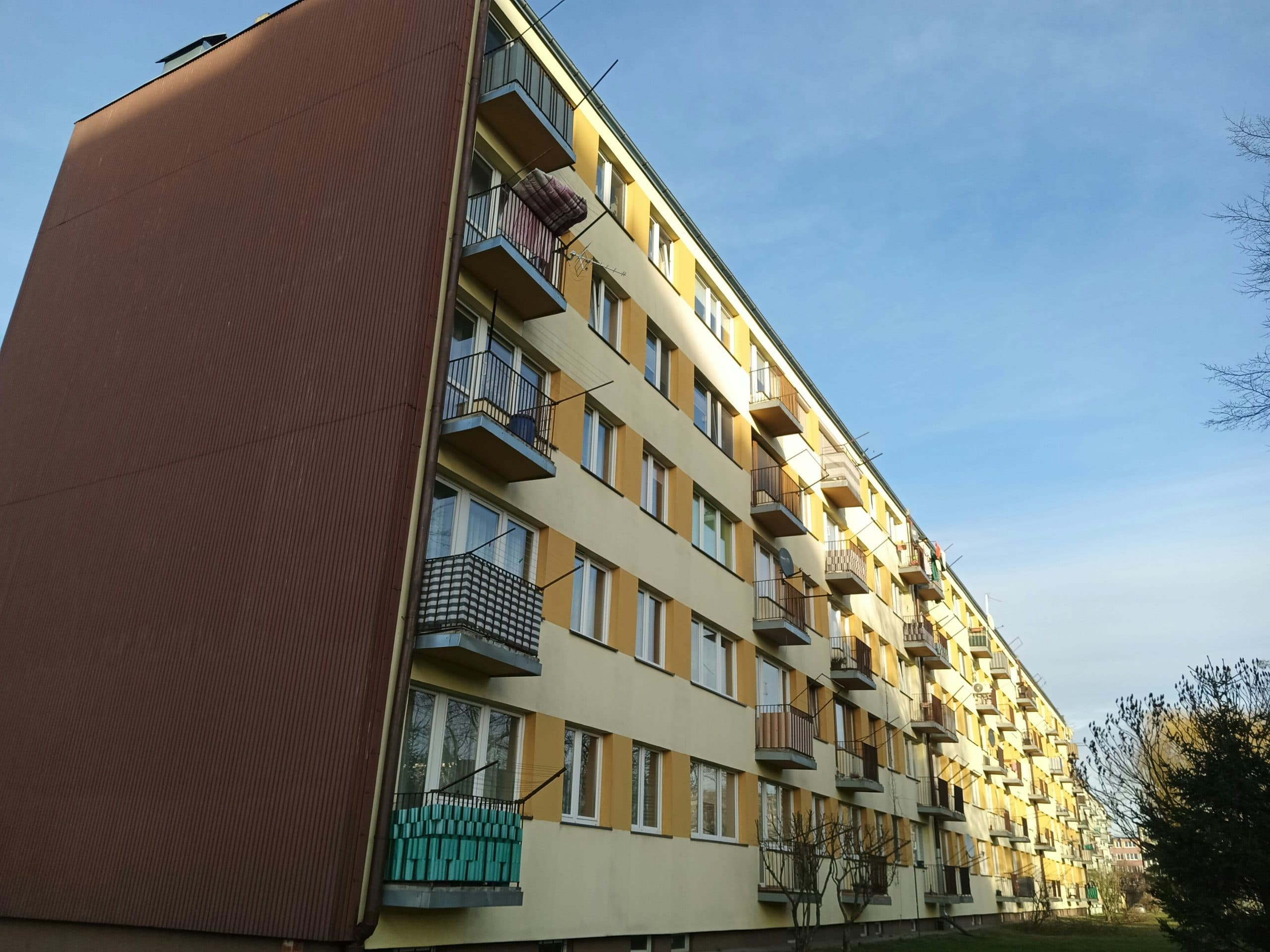
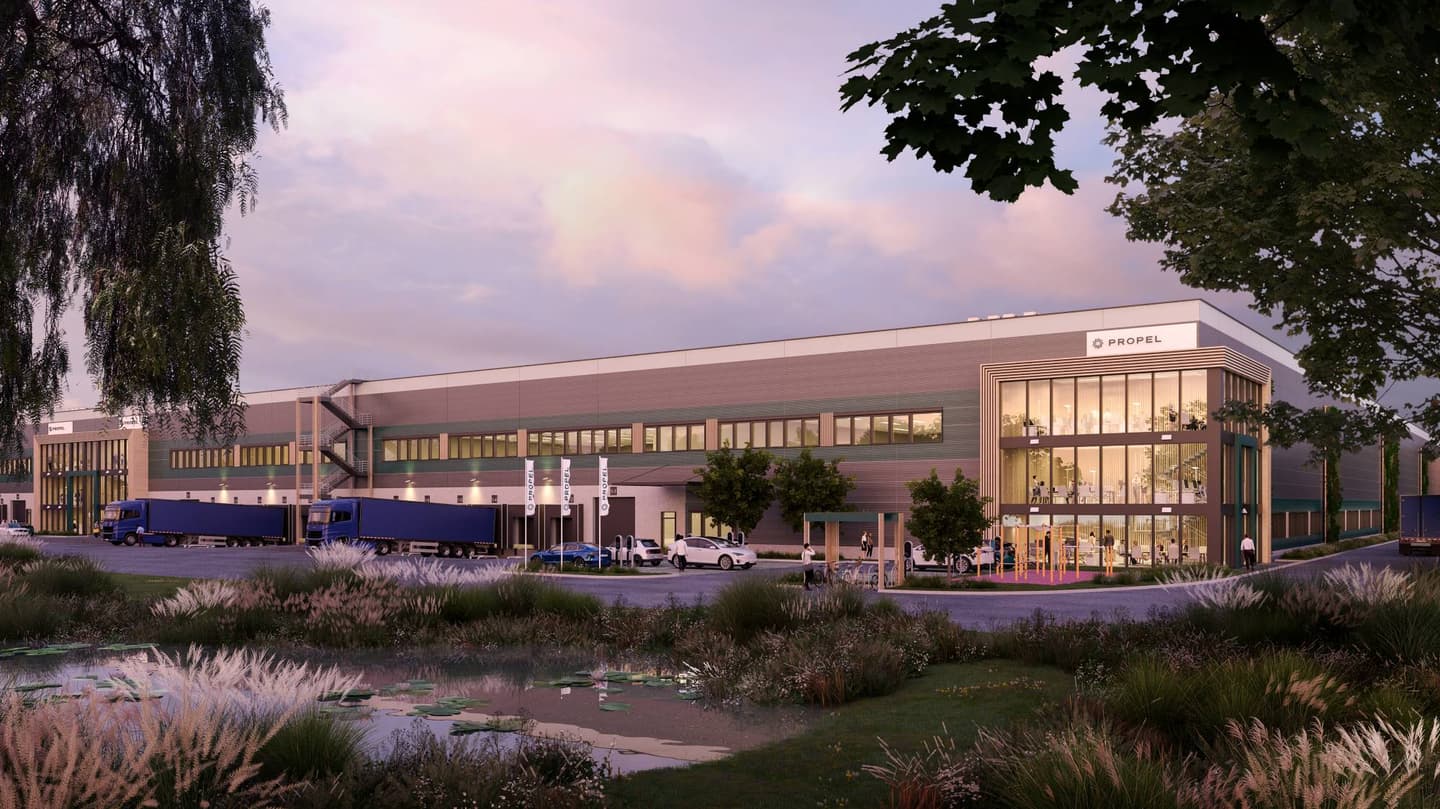
What makes a property a problem case?
"A problem property is a challenging asset that no longer achieves its performance targets due to a wide variety of factors – technically, in letting, administratively or legally. Then you need more intensive, strategic management," explains Catherine Luithlen of Manova Partners. "We deliberately take on such mandates, but there are also isolated properties in our portfolio that become problem properties for various reasons." Carolin Dose from HIH Real Estate adds: "A good asset manager is always a problem solver. Challenges are part of it. Problem properties are even exciting because we can then really manage instead of just administering. The market has changed, so many properties have to be looked at differently, especially office buildings."
INDUSTRIA manages around 24,000 residential units, mainly as an asset manager and as a property manager for its own fund properties. Since 2022, the company has been successfully offering its asset and property management services to third parties. For Managing Director Jürgen Hau, problem properties can have "very different faces": "In new buildings, for example, an initially cancelled and belated acceptance of the property can lead to massive delays in the handover of the apartments to tenants. In the case of existing properties, it is often an incomplete data situation in the master data, high vacancy rates or incomplete rental or property accounting."
Thomas Heidelberger describes his work at REIC as follows: "We often come as a fire brigade – when the problems are already massive. We are active as asset and property managers and originally come from operating cost analysis. There you can see very quickly where the fire is. If operating costs are not accounted for, there is a lack of cash flows for Opex and later for Capex. A typical case: An international fashion retailer moves out and no one knows what will happen next. Then we go there, talk to tenants, negotiate advance payments and develop creative solutions."
The panelists emphasised the importance of a clear strategy and rapid stabilisation of the distressed properties. While the residential segment is dominated by maintenance gaps and a great need for tenant communication, the focus in commercial real estate is often on structural rental problems or special issues such as fire protection.