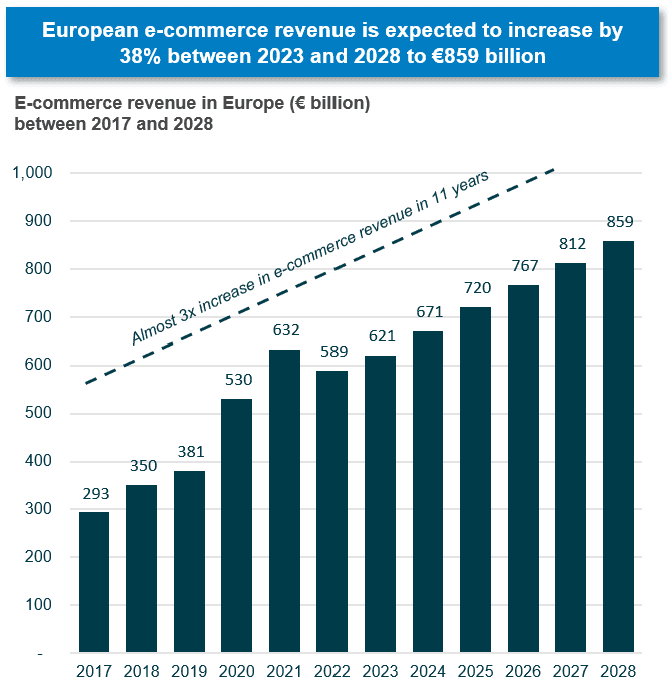
In order to meet the current demand, institutional sponsors are considering two primary options to deliver modern supply - developing new, green projects; and repositioning older or redundant assets, either through conversion or renovation, into high quality industrial stock. In a challenged environment where banking liquidity is sometimes constrained, the debt capital requirements for this transitional finance will be largely served by the alternative lender community.
Beyond these macro trends, there is also a cyclical opportunity for alternative lenders, as most European logistics markets are still showing very positive signals and robust occupational demand. Low vacancy rates in most markets are driving rental growth, yields are stabilising at acceptable levels and transactional activity remains strong. European industrial and logistics investment volume hit its lowest point in 2023, however the market has picked up gradually throughout 2024. This, combined with the structural drivers of the logistics and industrial market performance (limited land availability, restrictive planning regimes, complex legal frameworks), should support property income yields and capital values.
Alternative debt providers have a unique opportunity to capitalise on Europe’s evolving infrastructure and asset financing needs, and to be at the forefront of this capex supercycle. Between 2024 and 2026 alone, $3.4 trillion of cumulative investment in reindustrialisation (nearshoring, supply chain optimisation) is expected globally, $2 trillion of which pertains to Europe including the UK. The rewards for alternative lenders who position themselves effectively will be significant and enduring.
(1) ECDB, July 2024
(2) EY, May 2023
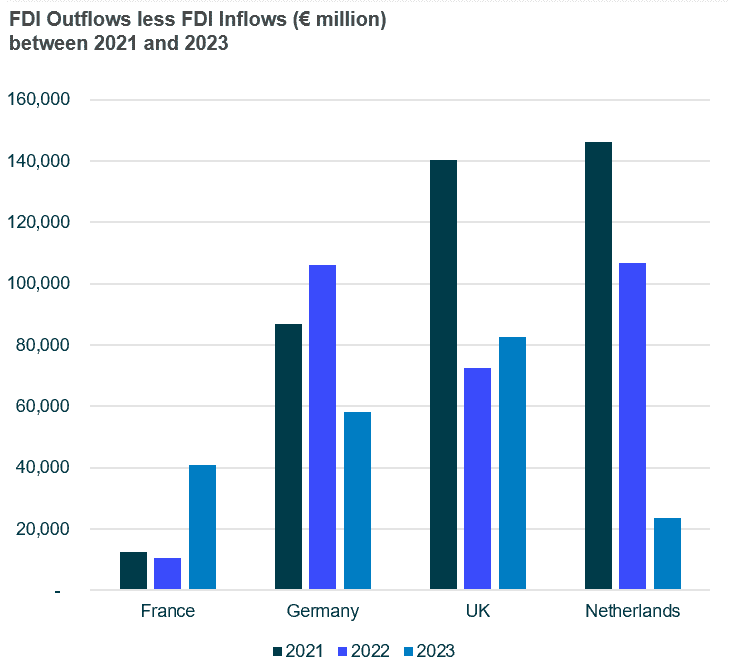
(3) OECD
(4) Capgemini