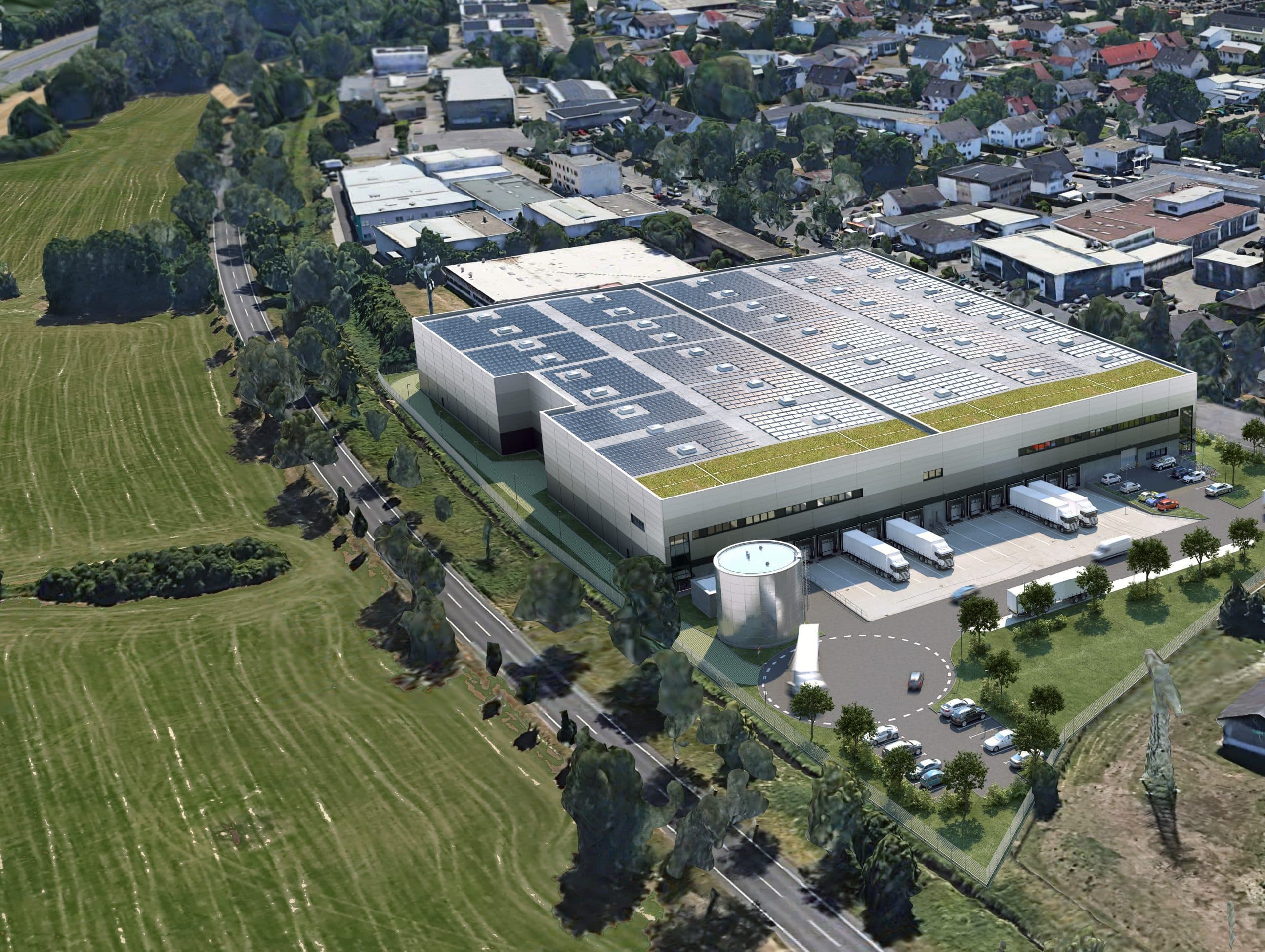
Thinking about sustainability holistically: Lifecycle-based evaluation of logistics halls
The goal must be to integrate a holistic, sustainable perspective in all phases of the life cycle of logistics halls. This is not only about economic aspects, but also about taking into account the environmental and social impact at every stage. It is important to determine the relevant sustainability aspects and indicators in order to achieve an optimal environmental and social balance in the evaluation of such halls.
A helpful tool for this is the lifecycle-based sustainability assessment, which enables a comprehensive understanding of the sustainability of a product or project. This method takes into account not only potential environmental impacts, but also social and economic aspects throughout the life cycle.
The assessment of sustainability consists of three main elements. First, the so-called life cycle assessment is used to assess the potential environmental impacts that arise during the life cycle of a product. These include the impact on climate change, acidification potential, eutrophication, ecotoxicity and water consumption.
The second element is the economic evaluation of the entire cost of a product, from acquisition to possession and disposal. This analysis provides valuable information for decision-making at every stage of a product's lifecycle.
Finally, a social impact analysis is also carried out. This assessment examines both positive and negative social impacts, such as working conditions, workers' health and safety, and thus allows for a more comprehensive view of a project's sustainability. Despite the lack of standardisation, established guidelines already provide a good basis for carrying out this social assessment.