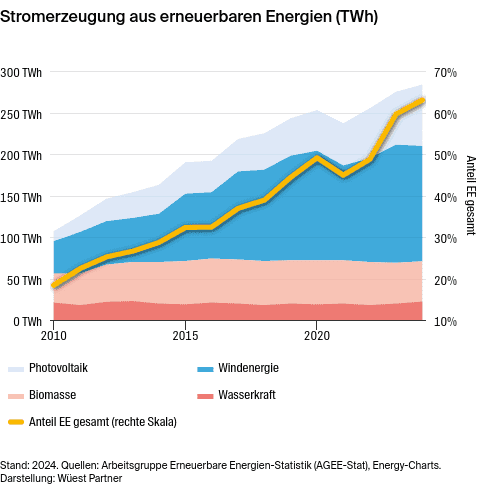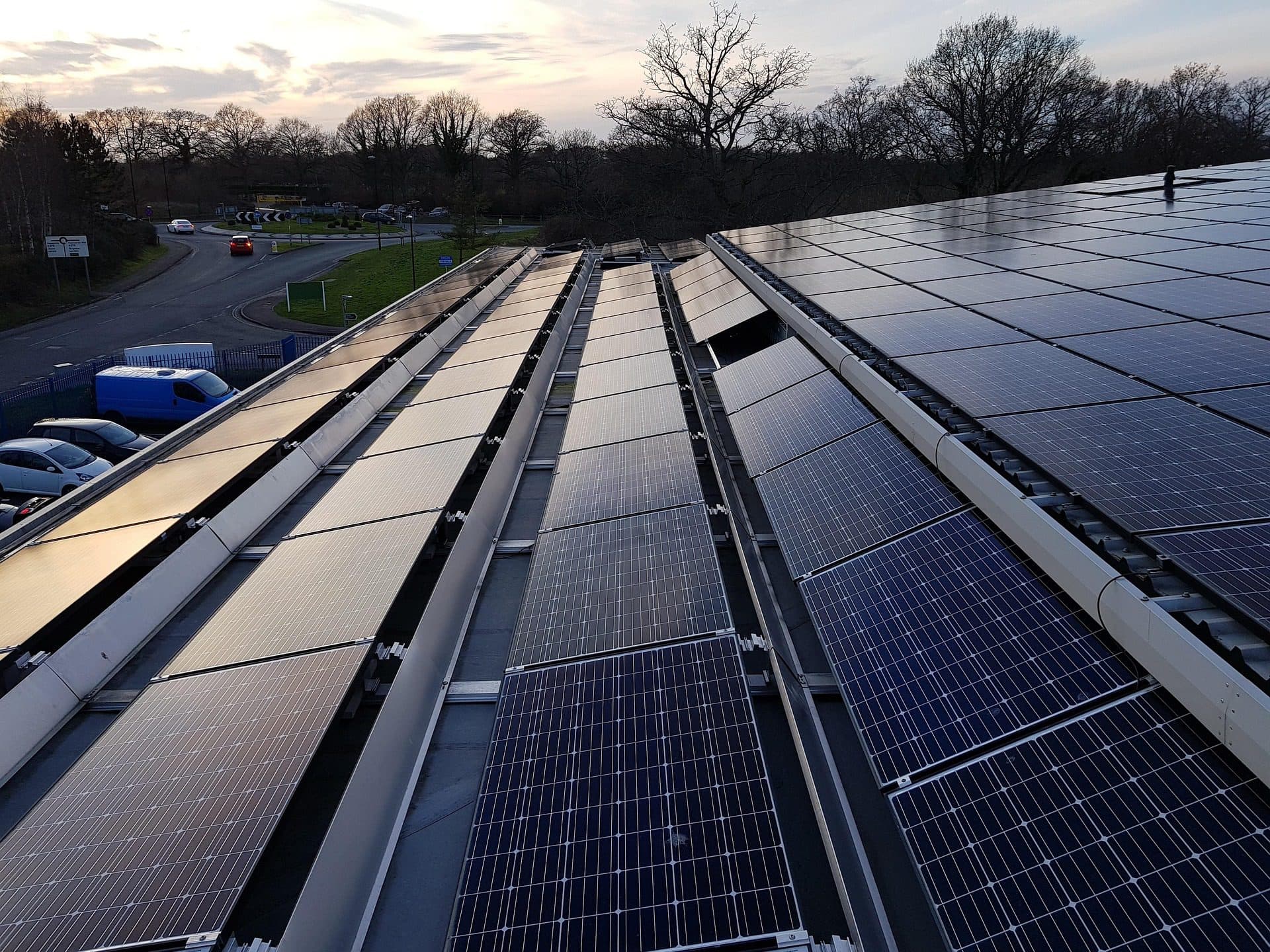
Germany is basically on track with the energy transition, but progress is uneven. This is shown by the new "Renewables Report Germany 2025: Real Estate and Renewable Energies" by Wüest Partner. In the first half of 2025, around 61 percent of net electricity already came from renewable energies, an increase of 3.2 percentage points compared to 2023. This means that renewables have become the mainstay of the energy supply. Photovoltaic rooftop systems in particular are becoming the engine of the energy transition, and real estate investors are playing a key role in this.
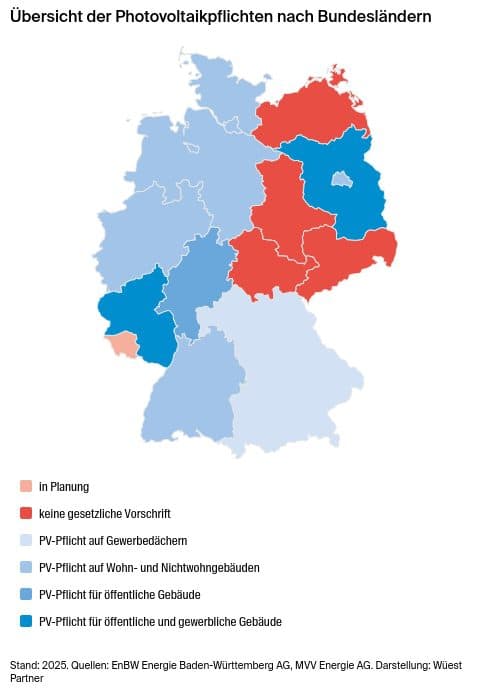
In the 25th anniversary year of the Renewable Energy Sources Act (EEG), the report concludes that the expansion of renewable energies is progressing well overall, albeit with clear differences between the energy sources. Wind power remains the most important source, but continues to fall short of the targeted expansion targets. Solar energy, on the other hand, recorded a record increase of 17.3 gigawatts in 2024. According to the EEG, at least half of the photovoltaic expansion is to be carried out via rooftop systems in the future. This will make PV rooftop systems a de facto regulatory and economic obligation and will gain significant weight in the real estate portfolio.
"If you leave available roof space unused, you are foregoing predictable additional returns, CO₂ reduction and value appreciation. The framework conditions are good enough, you just have to start," emphasizes Thomas Lehmann MRICS, Partner at Wüest Partner.
Billion-dollar potential for real estate funds and transformation of rooftop PV
The planned Economic Development Act (StoFöG) is intended to open up a new playing field for institutional investors in the near future. In the future, they could invest up to 15 percent of their assets in project companies and purchase supplementary infrastructure such as storage solutions or charging points. The net fund volume of open-ended real estate funds alone thus holds a potential investment volume of more than 15 billion euros.