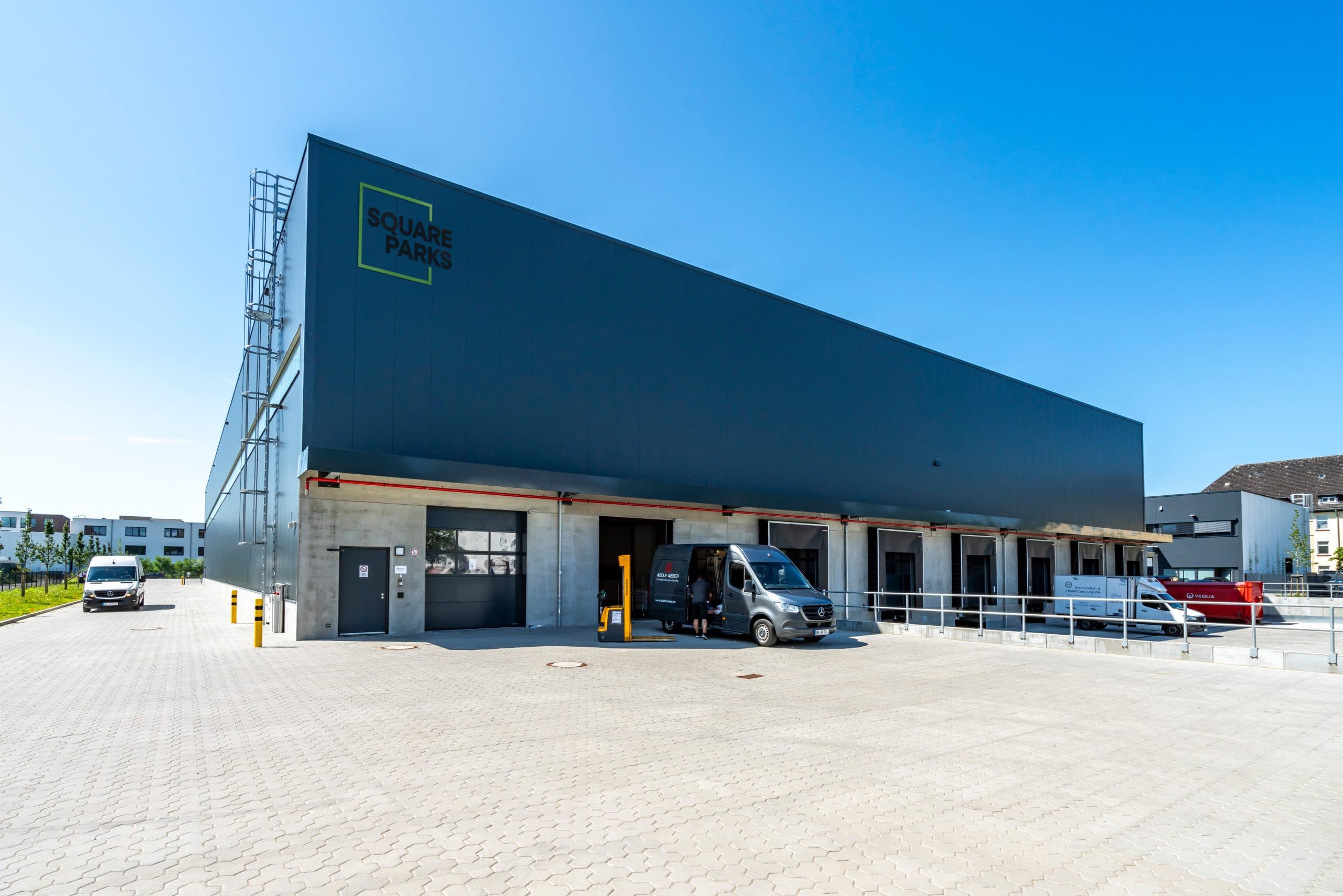
Despite the continuing challenging economic environment, commercial and craft parks are developing stably and are becoming increasingly important on the user, investment and financing side. The main drivers are the broad user structure, flexible space concepts, an urban location and a high level of third-party usability, as well as the increasing professionalisation of the segment.
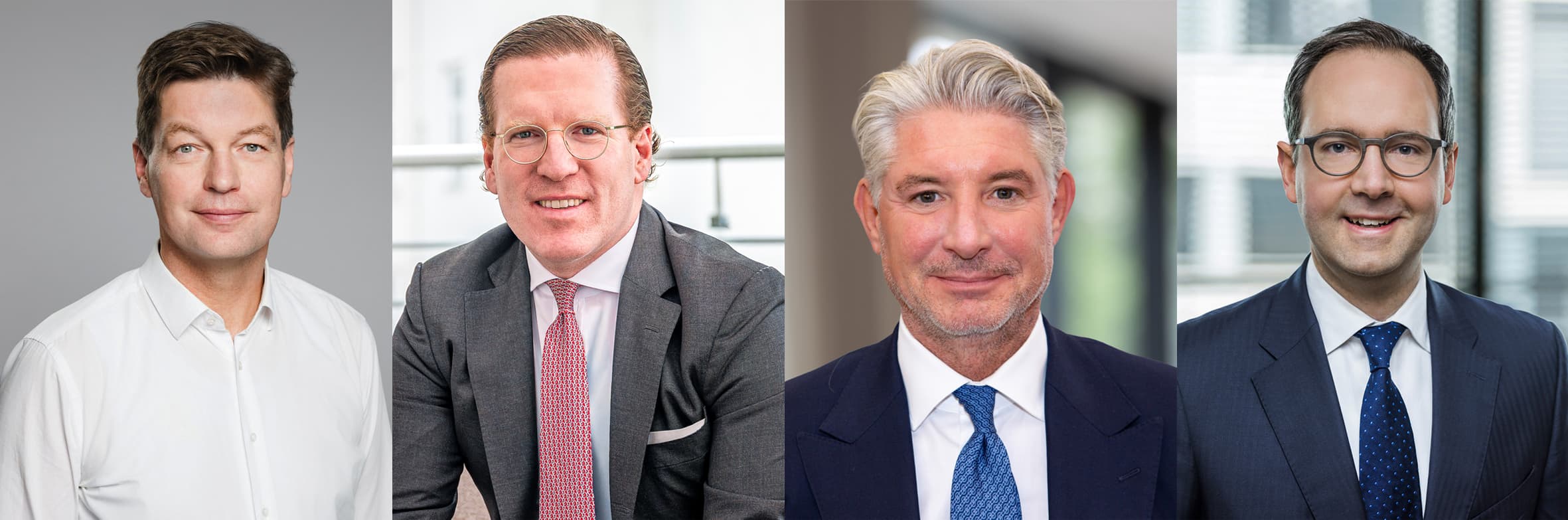
This was the conclusion reached by Sven Carstensen MRICS, Managing Director of bulwiengesa, Henning Nietz, Managing Director of SQUARE PARKS, Andreas Pfaff, Head of Domestic North/West at Berlin Hyp, and Niklas Räther, Executive Director and Head of Investment Germany at AEW Invest, in a webinar organised by RUECKERCONSULT entitled: "Resilient through diversity: Stable through the crisis with business parks and commercial parks".
Business parks and commercial parks are increasingly establishing themselves as a new construction productSven Carstensen, Managing Director of bulwiengesa, says: "In the case of business parks and commercial parks, we traditionally come strongly from existing properties and from the subsequent use of former industrial sites. In the meantime, however, we are seeing that the segment is gradually establishing itself in new construction as well. At the same time, demand and tenant loyalty remain stable, while the supply of space is limited. Rents are therefore gradually continuing to rise."
According to bulwiengesa, around 284,400 square metres of commercial park space were completed in the first half of 2026. Letting also remains stable: take-up in the first half of 2026 was around 325,800 square metres. For the year as a whole, bulwiengesa expects rising take-up with continued stable demand and successively rising rents.