Battery Energy Storage Systems (BESS)
Battery Energy Storage Systems, commonly called BESS, have become a core real asset in the energy transition. For investors, BESS is not a story about producing electricity. It is a story about monetising flexibility, reliability, and timing.

BESS Investment Guide: How Battery Energy Storage Creates Value in Real Assets
Introduction to BESS
Battery Energy Storage Systems, commonly called BESS, have become a core real asset in the energy transition. For investors, BESS is not a story about producing electricity. It is a story about monetising flexibility, reliability, and timing. In power systems with rising shares of wind and solar, price volatility increases and grid operators provide more system services. BESS can capture value across multiple markets, but that value depends on market design, contracting, technical parameters, and operational optimisation.
This guide explains BESS investment for professional investors. It focuses on utility scale and commercial scale assets that participate in wholesale electricity and balancing markets. It does not cover stocks, public market trading, or consumer products.
What is a BESS
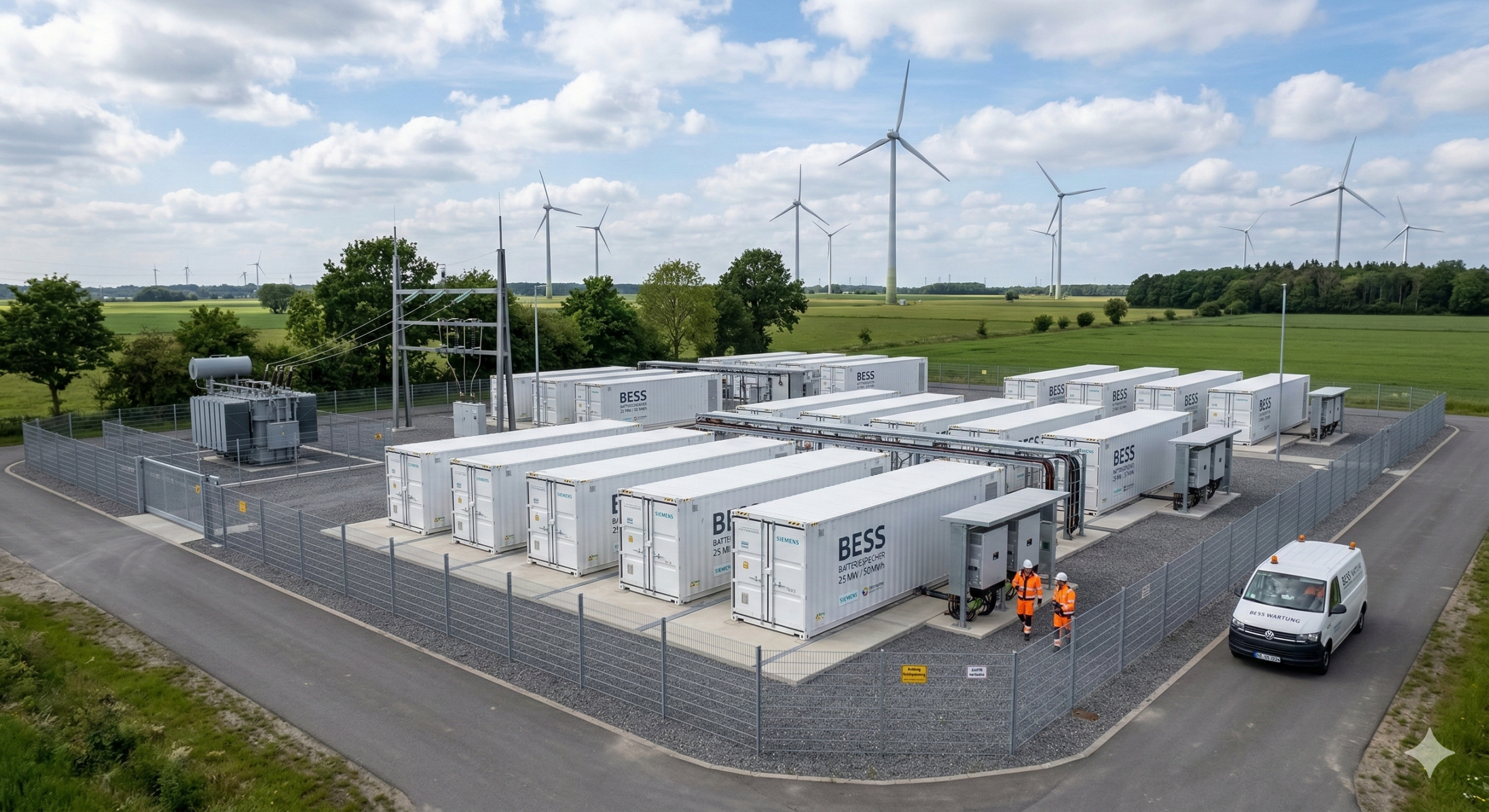
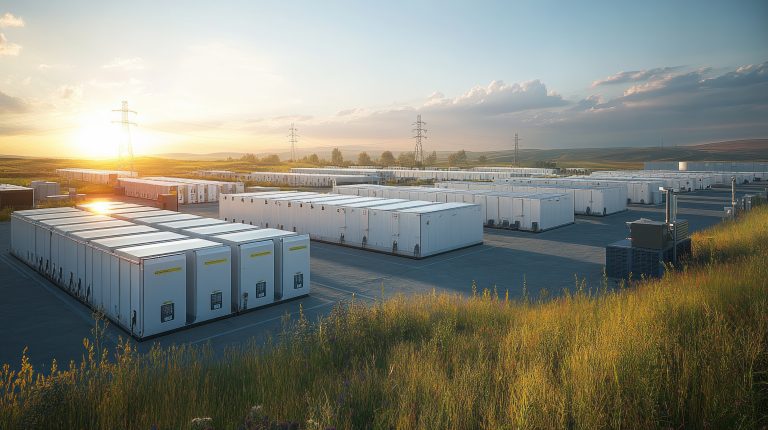
A BESS is an energy storage plant that charges with electricity and later discharges electricity to provide grid services. A typical system includes battery cells, power conversion equipment, a battery management system, safety systems, and software that determines when and where the asset trades.
Two characteristics matter for investment analysis.
- Power capacity measured in megawatts determines how fast the system can charge or discharge.
- Energy capacity measured in megawatt hours determines how long it can sustain output.
The ratio of energy to power is the duration. A two hour system can discharge at rated power for roughly two hours. A four hour system can discharge longer and may access different revenue opportunities.
Why BESS investment is growing
Three drivers explain why BESS is increasingly treated as an infrastructure segment.
- Renewable growth increases volatility. Solar and wind are variable, which creates periods of oversupply and scarcity.
- Grid operators need fast response. Batteries can respond in seconds, supporting frequency stability and balancing.
- Falling costs and better performance improve economics. Battery technologies have improved, and market adoption has accelerated.
In Europe, battery storage has expanded quickly and is expected to keep growing, with utility scale deployment taking a larger share over time. Germany, Italy, and the United Kingdom have been leading markets, with growth increasingly focused on larger systems rather than only residential devices.
How a BESS makes money
BESS projects are commonly evaluated through the concept of revenue stacking. The asset can earn from multiple value pools, and professional operators allocate capacity dynamically.
The core revenue streams are:
- Energy arbitrage in wholesale markets
The asset charges when prices are low and discharges when prices are high. In Europe this includes day ahead and intraday trading, and in many markets the intraday environment can be more volatile and therefore more valuable.
- Ancillary services and balancing
Grid operators procure services that keep the system stable. These can include frequency containment, automatic frequency restoration, and manual reserves depending on the market. In many countries, early BESS economics were dominated by these services, but saturation can reduce prices as more batteries enter.
- Capacity mechanisms and long term availability payments
Some markets provide forward contracts that pay for availability during stress periods. Where available, they can stabilise cashflows and improve bankability. Contract design and derating for shorter durations matter.
Across Europe, the relative share of these revenue streams tends to change over time. As ancillary markets saturate, arbitrage often becomes a larger share of the total revenue stack.
Merchant vs contracted revenues
A key investor question is the balance between merchant exposure and contracted cashflows.
Merchant models
Merchant revenues come from direct exposure to wholesale, balancing, and ancillary markets. They can offer upside, but they are volatile and sensitive to market rules, competition, and price spread compression.
Contracted models
Contracted structures reduce volatility and support financing. Common structures include tolling agreements and floor based contracts.
Tolling agreements
A tolling contract typically pays the asset owner a predefined amount, while the optimiser gains rights to operate the battery in the markets. This can improve financing because revenue is more predictable, but it limits upside.
Floor plus share
A floor guarantees a minimum revenue, with additional upside shared above the floor based on an agreed split. Some contracts include caps that limit upside in exchange for a higher guaranteed component.
Hybrid approaches
Many investors combine structures, for example splitting capacity across contracted and merchant exposure, or combining floors with hedging products, to balance bankability and upside.
Bankability and project finance
For BESS, the core challenge is that costs are largely upfront and predictable, while revenues are uncertain. Bankability improves when the project has:
- Proven route to market access across the relevant products
- An experienced optimiser with audited performance and clear operational controls
- A contracting structure that aligns with the lender risk appetite
- A robust degradation and augmentation plan
- A realistic revenue forecast that accounts for saturation and competition
Investors should treat historical revenue spikes as informative but not sufficient. Market rules change, competition grows, and the value pools can shift materially within a few years.
Technical parameters that drive returns
BESS investment returns depend on both markets and physics. Key technical levers include:
- Duration and sizing
Shorter duration systems can perform well in fast frequency services. Longer duration systems can capture larger daily spreads and participate more effectively in arbitrage and capacity mechanisms.
- Round trip efficiency
Efficiency losses reduce net arbitrage value. Higher efficiency improves unit economics.
- Degradation and cycling
Aggressive cycling can boost short term revenues but accelerates degradation. The investment case should model expected cycling, warranty terms, and end of life capacity.
- Availability and dispatch limits
Availability requirements in contracted structures, and operational constraints from warranties, affect realised revenues.
- Augmentation strategy
Augmentation adds cells over time to maintain performance. It can be part of the initial plan or a later decision, but it must be aligned with contracting and expected market evolution.
Risks and mitigants
BESS is a real asset, but it is not a regulated utility in most markets. The risk profile is different from contracted renewables.
Key risks include:
- Revenue compression and cannibalisation
As more BESS enters a market, price spreads and ancillary clearing prices can fall.
- Regulatory and market design changes
Ancillary services rules, imbalance pricing, and capacity market designs can change. These changes can shift value pools.
- Grid connection and development bottlenecks
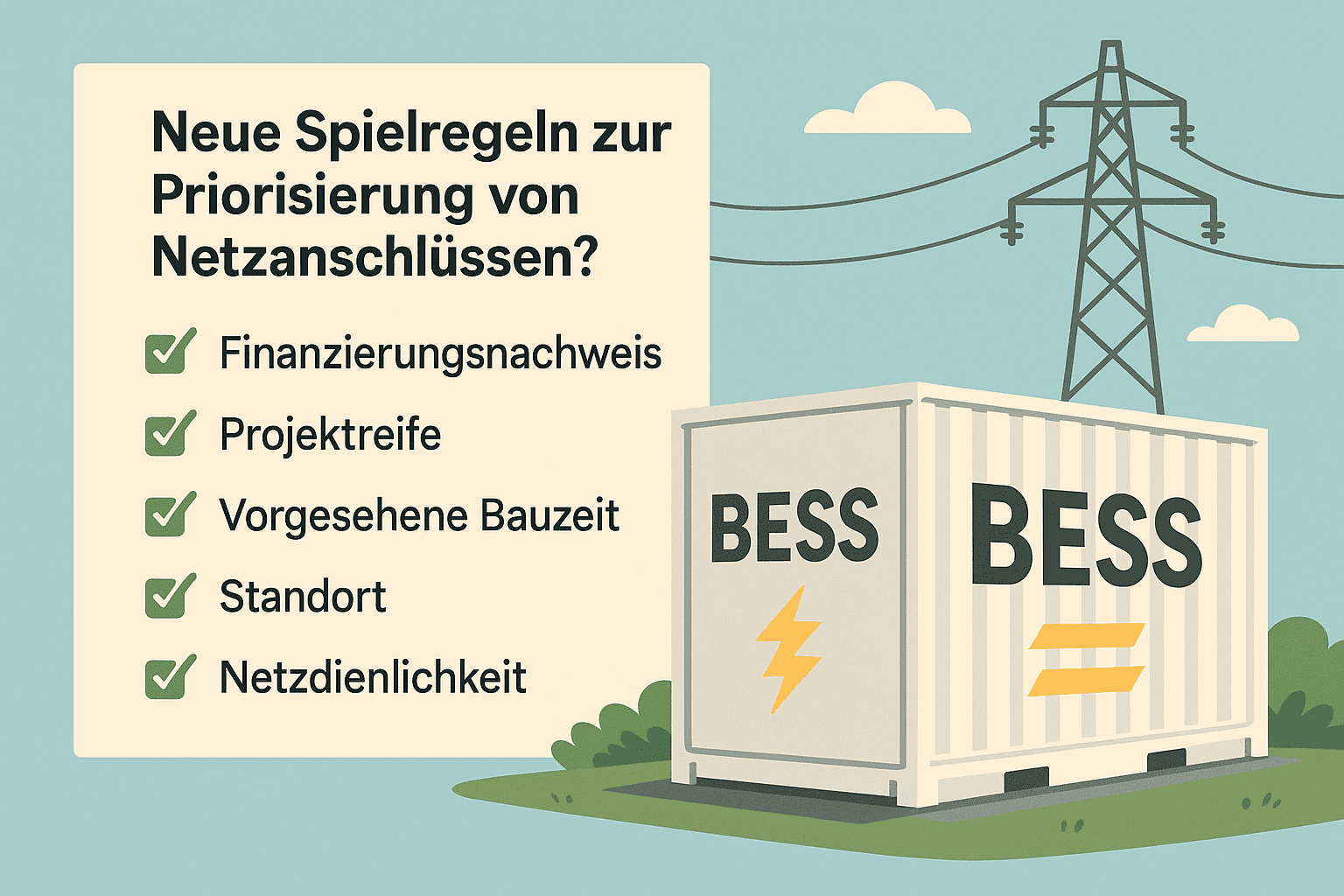
Queue risk and grid access constraints can delay projects and affect returns.
- Technology and safety risk
Vendor choice, safety design, commissioning quality, and operations standards influence operational risk.
- Counterparty risk
In contracted structures, the strength of the counterparty matters, especially for long duration contracts.
Mitigants typically include diversified revenue strategies, conservative forecasting, robust engineering and warranties, clear operational governance, and contracting structures that share risk appropriately.
Due diligence checklist for investors
Use this checklist to structure an investment review.
Commercial and market
- Which markets and products can the asset access today
- What is the expected evolution of ancillary service saturation and arbitrage spreads
- Does the forecast include scenarios with lower volatility and more competition
- What are the assumptions on optimiser performance and fees
Contracting and finance
- Merchant, tolling, floor, or hybrid structure
- Minimum revenue protections and caps
- Performance and availability obligations
- Counterparty credit assessment
Technical
- Duration, power, energy, and expected cycling profile
- Vendor warranties and guaranteed capacity retention
- Safety case, grid code compliance, and commissioning plan
- Augmentation plan and long term operating strategy
Development and grid
- Grid connection status and milestones
- Land, permits, and timeline realism
- EPC and O and M counterparties and track record
Europe and Germany outlook
Europe is scaling BESS quickly, but markets differ. Some jurisdictions have strong ancillary markets, some have capacity mechanisms, and some have higher grid fee and connection barriers. Germany remains highly attractive because of deep wholesale markets and strong volatility signals, but grid connection bottlenecks and the scale of connection requests highlight development risk and potential future revenue pressure.
The most resilient BESS investment theses in Europe share two traits. They are built around multi market optimisation and they include a realistic path to bankable cashflows, either through contracted structures, diversified revenues, or both.
Frequently asked questions (FAQ)
What does BESS stand for?
BESS stands for Battery Energy Storage System.
Is BESS an infrastructure investment?
In most investment frameworks, utility scale BESS is treated as energy infrastructure because it is a physical asset that provides system critical services and can be financed with infrastructure style structures.
How do BESS projects earn revenue?
Most projects stack revenues from energy arbitrage, ancillary services, and in some markets capacity mechanisms. The relative shares change as markets evolve.
Why do revenues vary so much across projects?
Revenues depend on market design, access rules, location, optimisation quality, duration, and contracting. Two similar assets can perform very differently depending on operational strategy and dispatch decisions.
What is the difference between merchant and tolling?
Merchant revenues depend on market prices and are volatile. Tolling provides contracted revenue that is more predictable, typically in exchange for giving the optimiser operational rights and reducing upside.
Related reading on ASSETPHYSICS
- BESS in Germany 2025 and Beyond: Use Cases, Business Models and Financing Considerations
- Investments in large-scale battery storage systems (BESS): New rules for prioritizing grid connections?
- Co location BESS for wind and solar: economic analysis and financing solutions
- Infrastructure Asset Class Battery Energy Storage Systems (BESS) – Some (technical) insights into practice
- Large-scale battery storage: New asset class on the rise – correctly assessing opportunities and risks
- Introduction of grid charges for large-scale battery storage systems – Which skills are crucial in a “restructured market”?
- Solvency II and BESS investments: No infrastructure quota, but an infrastructure template – if you understand it, you can use it