Astrolight Wins Startup World Cup Regional, Heading to Silicon Valley to Compete for $1M Investment
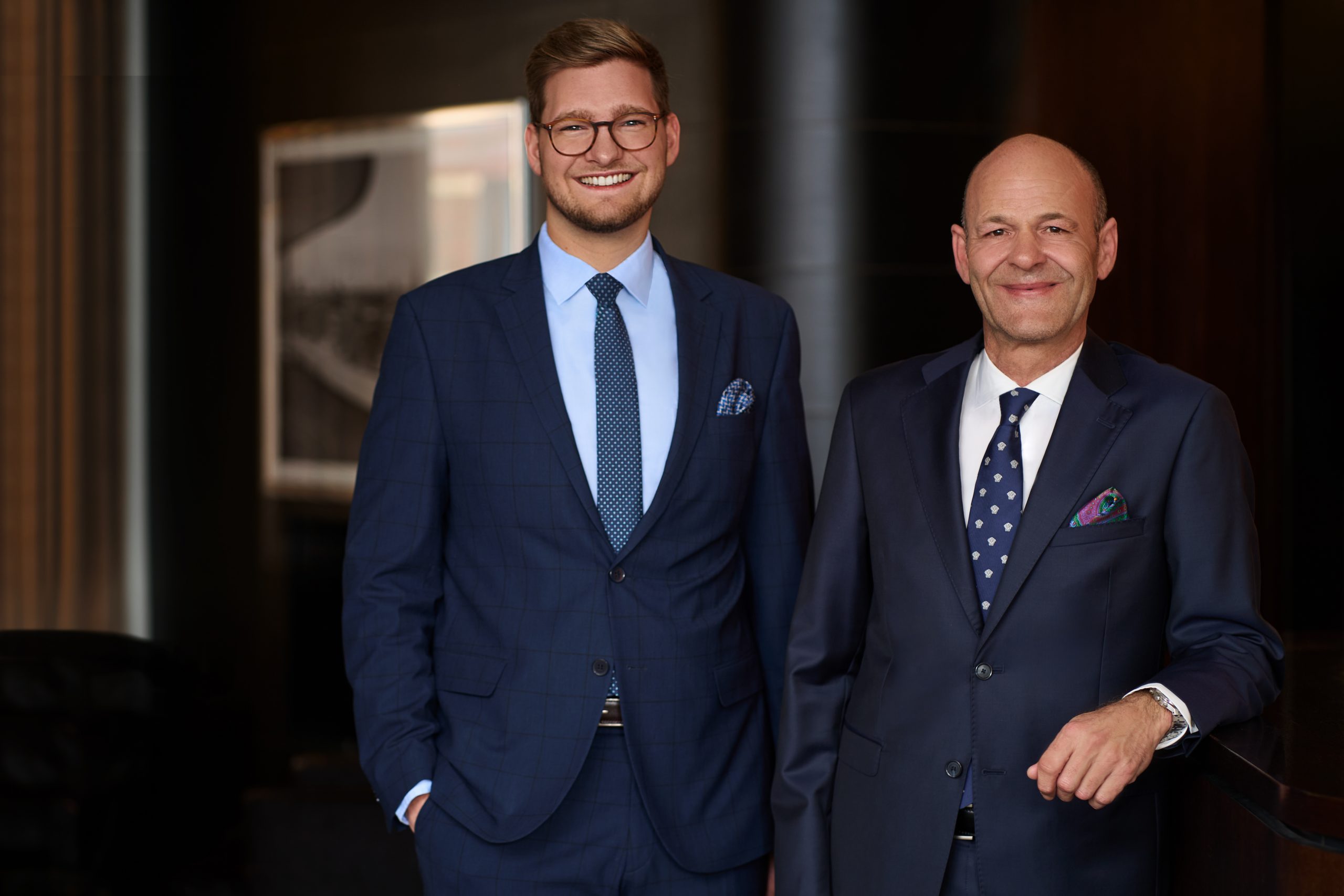
Astrolight was announced as the winner of the Lithuanian regional competition for the Startup World Cup. Source: Astrolight.
Astrolight will compete in the Startup World Cup Grand Finale in San Francisco as laser communication becomes a core technology for next-generation satellite networks.
Astrolight, a Lithuanian space and defense company developing laser communication solutions for space, ground, and maritime applications, has won the Lithuanian regional competition of the Startup World Cup, the world’s leading startup pitch contest. The company will head to the Startup World Cup Grand Finale in San Francisco on November 6, 2026, and compete with finalists from around the world for the title of global champion and a US$1 million investment prize.
Earlier, Astrolight secured contracts and partnerships with the European Space Agency (ESA), industry primes, and leading satellite manufacturers. The company has launched three of its ATLAS-1 laser terminals into orbit for testing, joined a Kepler Communications-led team developing ESA’s HydRON optical multi-orbit transport network, and is working with ESA to build the first Arctic optical ground station in Greenland.
“Representing Lithuania at the Startup World Cup Grand Finale is an important milestone for Astrolight as we enter our next stage of growth,” said Laurynas Mačiulis, CEO of Astrolight. “Laser communication is becoming critical for the space economy, and our focus on integrated systems for both space and ground gives us a strong position in a market expected to reach billions of dollars over the coming decade.”
Novaspace, the leading space market research firm, projects global revenues for space laser communication terminals will reach $12.9 billion through 2035, driven by the industry’s structural shift away from radio-frequency (RF) communications as operators face mounting RF spectrum constraints: regulatory scrutiny, licensing delays, and interference bottlenecks.
Similar pressure is now reaching AI infrastructure. As land-based datacenters run into limits around space, power, and cooling, industry leaders are starting to look at putting datacenters and compute systems in orbit, with high-speed laser communications as a core infrastructure layer.
“Because satellite constellations grow and missions expand across Earth observation, defense, emergency response, and future AI infrastructure in orbit, the need to move data between space and Earth is rising fast. Traditional radio-frequency communications alone will soon struggle to keep pace – on both the technological and regulatory level,” explained Mačiulis. “Laser links will close that gap. Much like optical fiber transformed the internet, laser communication will transform space communications in terms of data volumes and speed.”
Unlike radio-frequency communication, laser links use narrow and focused beams of infrared light, which can transmit data at up to 100 times faster rates than RF and are extremely resilient to electronic interference, jamming, and interception.
Incidents of electronic warfare in space and on land are growing. Russian GPS spoofing from Kaliningrad can now reach 450 km into Europe, GPS/AIS interference has surged in the Middle East Gulf, and Russia has been accused of intercepting European satellite communications and regularly jamming UK military satellites.
“The current geopolitical situation shows how vulnerable satellite communications can be, especially when they depend solely on radio-frequency. That’s why for defense users and commercial operators alike, resilient connectivity is becoming a matter of strategic advantage,” added Mačiulis. “In such an environment, laser communication should not be limited to a small number of highly specialized missions. Smaller, cost-efficient, and interoperable terminals can make optical links more accessible, helping more operators secure their communications in space. That’s what we’re aiming for at Astrolight.”
Startup World Cup is a global startup competition and conference organized by Pegasus Tech Ventures, a Silicon Valley-based multinational venture capital firm. The competition includes more than 100 regional events across North America, South America, Europe, Africa, Asia, and Australia, followed by the Grand Finale in Silicon Valley.