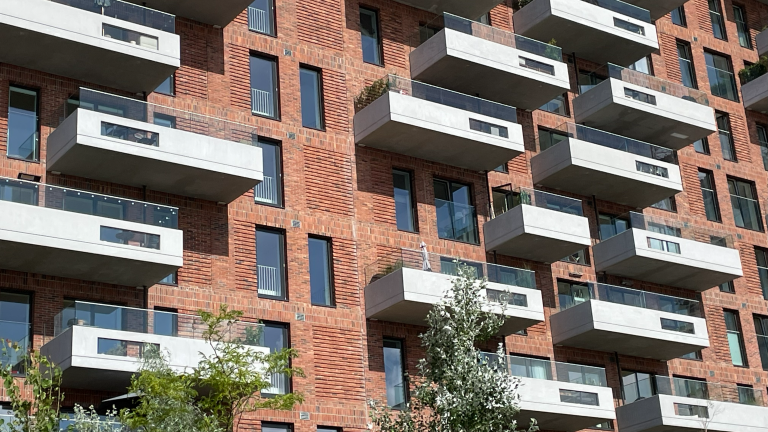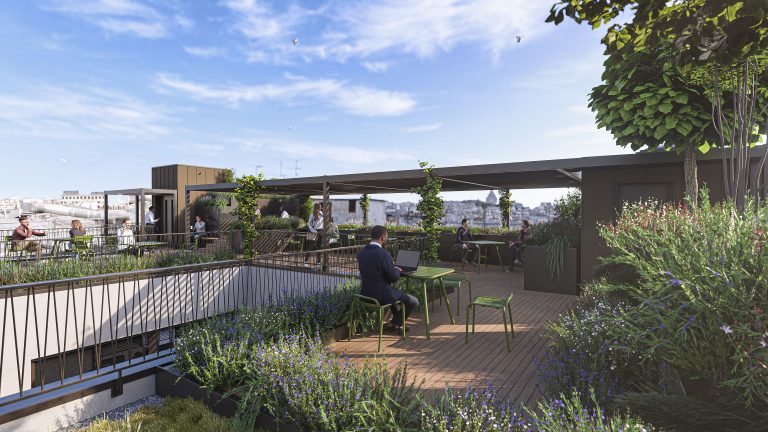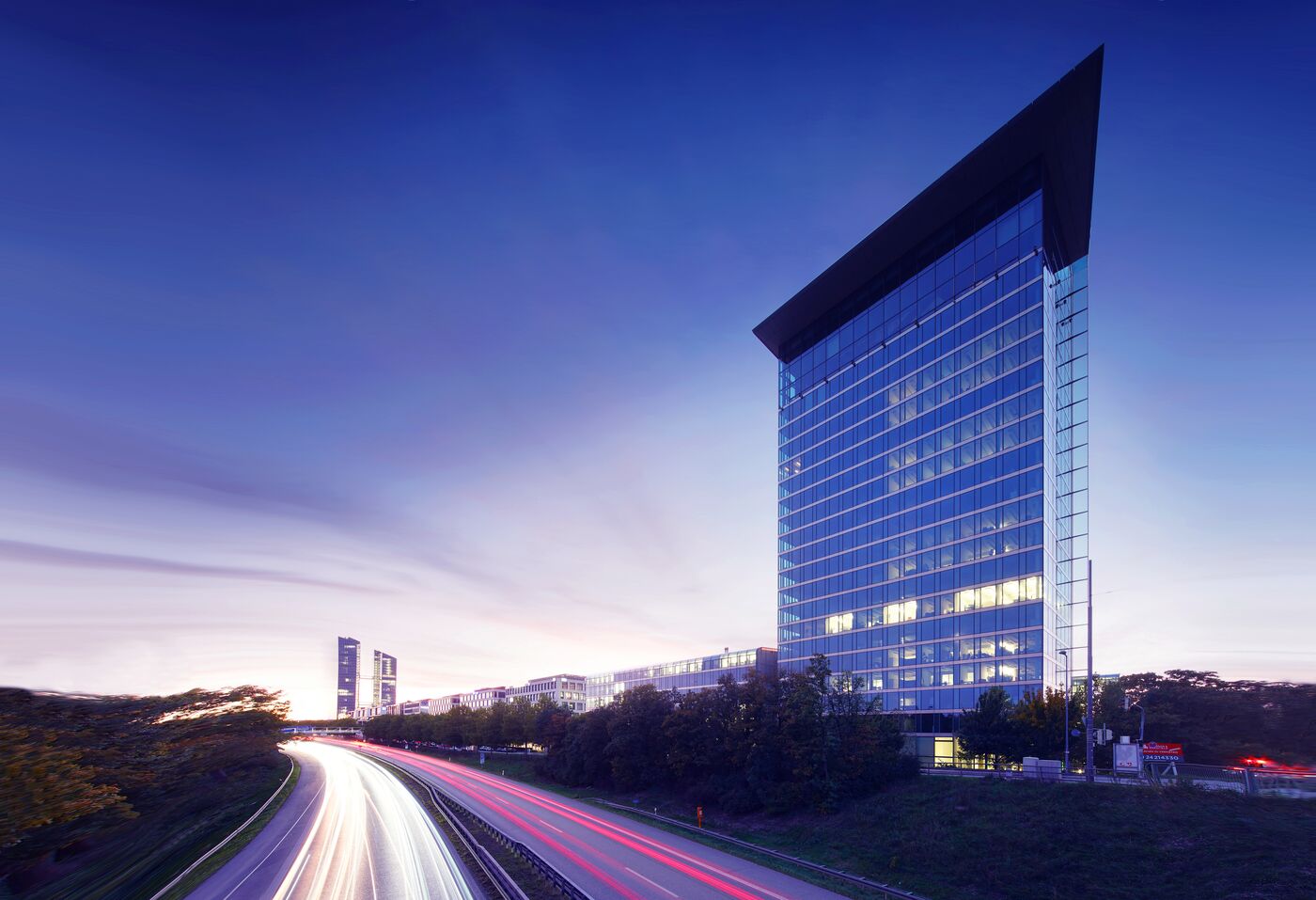
In the first half of 2026, take-up of 157,000 square metres was achieved on the Hamburg office letting market. This corresponds to a decline of 31 percent compared to the previous half-year. The real estate investment market, on the other hand, recorded significant growth of almost 50 percent compared to the same period last year. The total investment volume in the first half of 2026 amounted to around 1.2 billion euros. The office asset class was most strongly represented in the commercial segment with around 325 million euros. Private investors in particular continued to be very active in the commercial asset classes, especially for high-quality core properties in prime locations. Institutional investors, on the other hand, acted more selectively. This is the result of a recent analysis by the global real estate service provider CBRE.
Office rental market
“Hamburg’s office letting market is also robust in the current market environment, although the economic conditions remain challenging. Uncertainty about the overall economic development continues to lead to longer decision-making processes and in some cases delayed leases. At the same time, market activity remains at a solid level, especially for modern and high-quality space. Companies are questioning their space requirements more critically than they did a year ago, and AI-related changes in business models are now also having an impact on space applications in isolated cases. Nevertheless, modern and well-connected office properties in central locations continue to record a solid market response,” says Julian Zadeh, Head of Office Leasing at CBRE in Hamburg.
In the first half of 2026, market activity was mainly characterised by smaller take-up of space. The majority was in the size class up to 1,000 square metres. Most of the deals were again registered in Hamburg’s city centre. “The trend towards differentiation observed in recent years continues on the rental market. New space continues to be in demand, especially in central locations and modern buildings. The high quality focus of the users thus remains a defining feature of the Hamburg office leasing market,” Zadeh continues. “For many users, location and building quality are now more important than the sheer size of the area.”
This finding is also reflected in the achievable prime rent, which remains at 41 euros per square metre per month, 14 per cent above the previous year’s figure. This development underlines the strong market position of modern and ESG-compliant space in Hamburg’s best locations. The weighted average rent also rose slightly by six percent compared to the first half of 2025 and was just under 23 euros per square meter and month in the current study period. “The increase in average rents makes it clear that high-quality space remains a strong focus for users and that they are willing to accept appropriate rent levels for quality, location and sustainability,” says Zadeh. The vacancy rate rose slightly to 4.6 percent, although Hamburg continues to have a low vacancy level compared to the rest of Germany. The lowest vacancy rates continue to be recorded in the central CBD locations.
By the end of the year, a further 100,000 square metres of office space will be added to the Hamburg market through completed project developments. “The majority of this new space has already been pre-let, which further underlines the high demand for modern office space,” says Zadeh.
“Even with the upcoming completion, the future supply of space in the central city centre locations will remain limited in the medium term. In the CBD submarkets in particular, there are therefore still no signs of a supply surplus, while modern and high-quality space remains in demand,” says Zadeh.
Investment market
“The upturn in Hamburg’s investment market continued in the second quarter. Both the transaction volume and the number of transactions in the first half of 2026 were significantly higher than in the previous year. Office properties proved to be the asset class with the highest volume and recorded a significant increase in invested capital,” says Marc Rohrer, Head of Investment at CBRE in Hamburg.
The office real estate investment market was dominated by small to medium-sized transactions of up to EUR 50 million. Domestic investors were the most active on the buyer side. In addition to office properties, investors also focused on retail and logistics properties. The largest single transaction in the three-digit million range in the second quarter was for the luxury department store Alsterhaus on Hamburg’s Jungfernstieg.
In addition to location and property quality, the quality of cash flows is also becoming increasingly important for investors. Long-term leased properties with users with strong credit ratings and stable rental income are particularly in demand.
“We see that the pricing phase has not yet been fully completed everywhere and that differentiation according to sub-market clusters continues. We expect the prime yield, which is currently still stable at 4.7 percent, to rise slightly in the future. While private buyers occasionally accept yields below the reported prime yield for absolute core products, institutional investors are increasingly orienting themselves towards a slightly higher yield level,” says Matthias Mohr, Senior Director Valuation Advisory Services at CBRE.
Outlook for the rest of the year
“The macroeconomic environment is likely to continue to shape the office leasing market in the further course of the year. At the same time, the search for high-quality space in prime locations will continue,” says Zadeh.
“Market-driven pricing remains a prerequisite for sustained high transaction activity. Nevertheless, the high number of ongoing marketing transactions and the quality of the properties on offer suggest a stable to slightly increasing annual volume. In the medium term, the interest rate and financing environment will remain a challenge for the investment market,” says Rohrer.