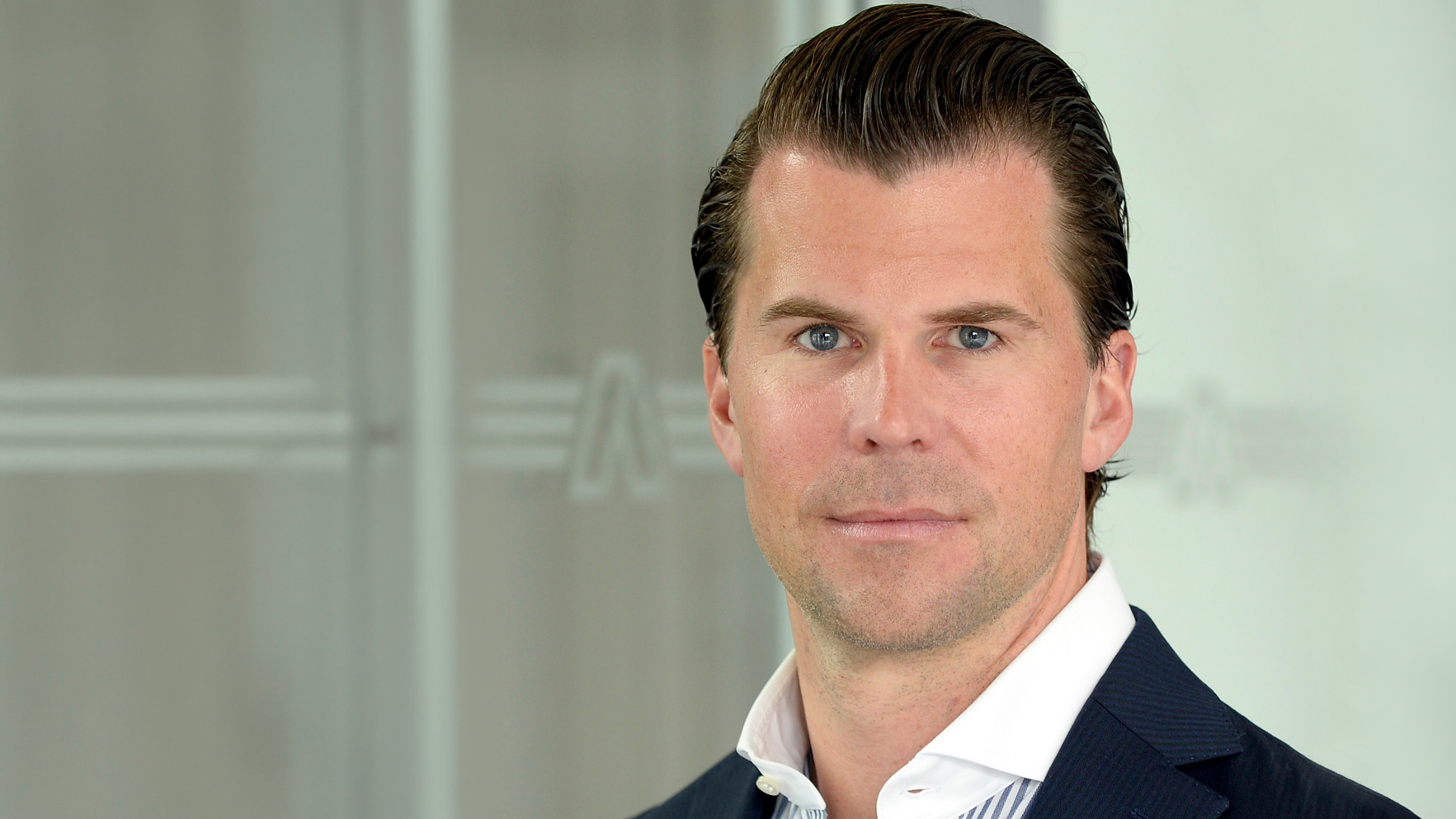
Aengevelt sees the Office asset class facing massive restructuring.
The ifo Institute expects a 12% decline in the demand for office space nationwide by 2030 as a result of working from home. The forecast is based on the fact that 69% of employers now practice hybrid working models consisting of individual home office days and presence days. However, office space reductions are usually only made when switching to flex offices and expiring leases, because cubicle offices do not initially become dispensable if employees take individual home office days.
However, Aengevelt also derives a lower demand for office space from the demographically induced decline in the labour force potential, which will lead to a decline in the number of office workers by around 9% by 2040 according to realistic scenarios. The impact of AI could be even stronger, with numerous office workplaces falling victim, especially in the areas of marketing and social media, programming, accounting, legal, HR and assistance. According to a survey of 502 HR managers by Trend Research on behalf of GSG Berlin, up to 27% of office space could be freed up by 2030 due to AI-related personnel savings.
In Aengevelt’s opinion, the individual forecast values are only partially reliable because they are assessments and compensating factors such as a global economy picking up again in the medium term could have a relativizing effect. However, a decline in the demand for office space of up to 10 to 20% could occur in the next ten years. Several years ago, Aengevelt had already reported from various major cities that industry-relevant employers were reducing office space by subletting or by reducing the rental space when leases expired.
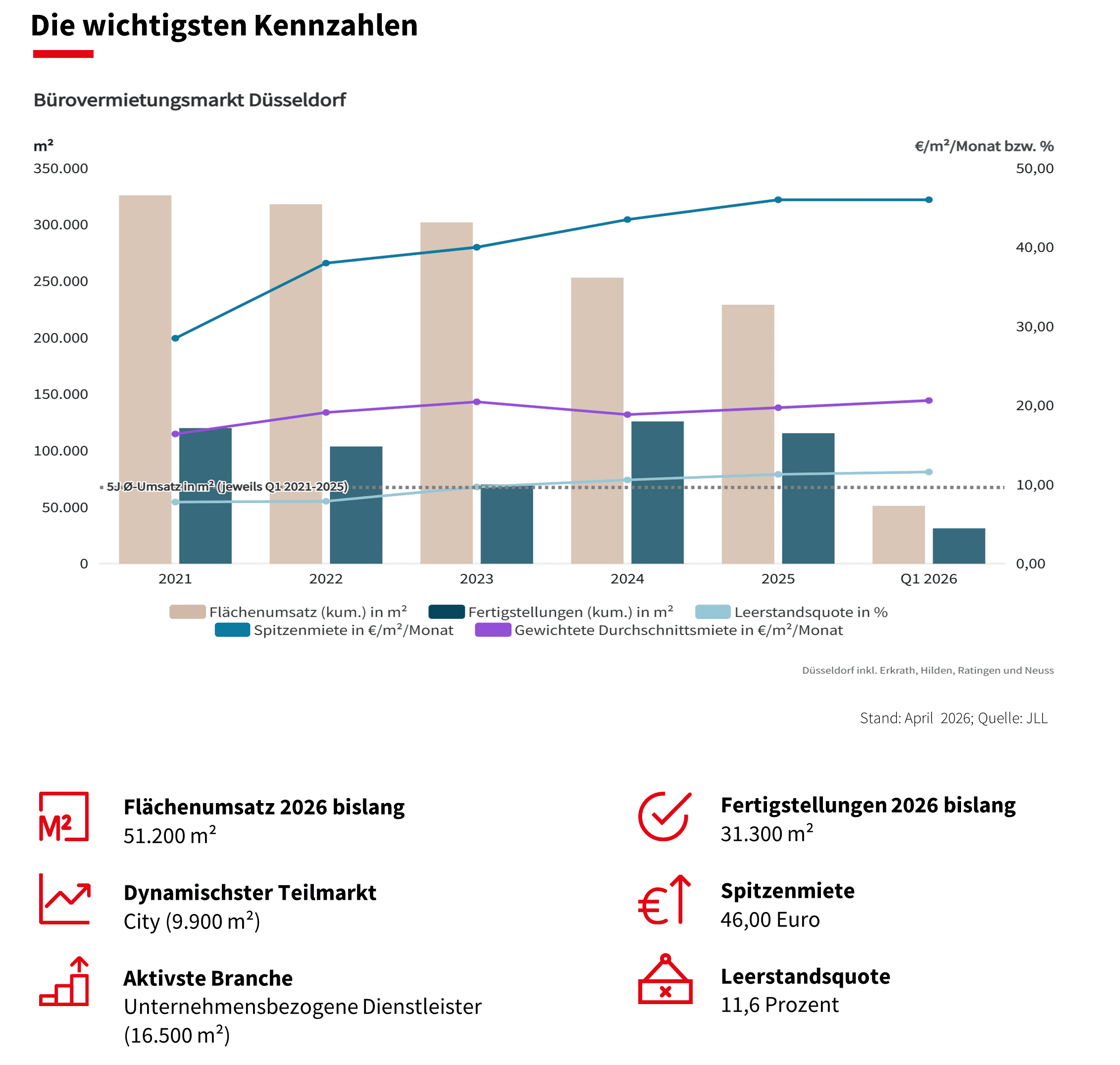
In the City Reports 2026/27, Aengevelt comprehensively analysed considerable increases in office vacancies for the cities of Berlin, Frankfurt/Main, Düsseldorf and Leipzig despite comparatively low new construction output, only in the state capital Magdeburg there was a moderate decrease in the supply reserve due to markedly low completion rates in previous years.
The future reductions in demand for office space will primarily affect older monostructured existing properties that offer inflexible floor plans with cubicle offices, have an energetically problematic condition and/or are located in peripheral locations. Such properties are increasingly developing into “stranded assets” with the prospects of demolition or conversion (e.g. to commercial housing). The pressure on old properties is also exacerbated by the fact that, despite the reduction in quantitative space requirements as part of the “Flight to Quality”, Aengevelt sees continued brisk demand for new office buildings in the medium and long term, which is also reflected in rising prime rents in the growth markets.
According to Aengevelt, future-proof office properties are characterised by the following features:
- Central locations in an urban environment with good accessibility by local and long-distance public transport, motorised private transport and e-bikes.
- New Work-friendly, flexible floor plans with co-working spaces, flex offices and social areas that can also be adapted to future changes in the world of work.
- Fulfilment of ESG criteria with high energy efficiency.
- Attractive interior design and ambience to make presences attractive for employees.
- Accompanying mix of uses through needs-based services and restaurants
According to Aengevelt, these qualities can be realized both through new buildings and, for example, through renovated historic factory buildings with loft-like interiors and possibilities for flexible floor plan design.
Mark Aengevelt, Managing Partner of Aengevelt Immobilien: “The demands for office space are continuously increasing, and demand is focused on modern, ESG-compliant and, in particular, energy-optimised and efficient New Work-suitable office space in top locations. Companies compensate for the associated rents, which are usually significantly higher, by reducing the size of the space previously used. In view of these framework conditions and at the same time shortening product life cycles, competitive pressure is growing on the part of suboptimal existing properties, so that needs-based conversion scenarios are becoming increasingly relevant for consulting and marketing.”