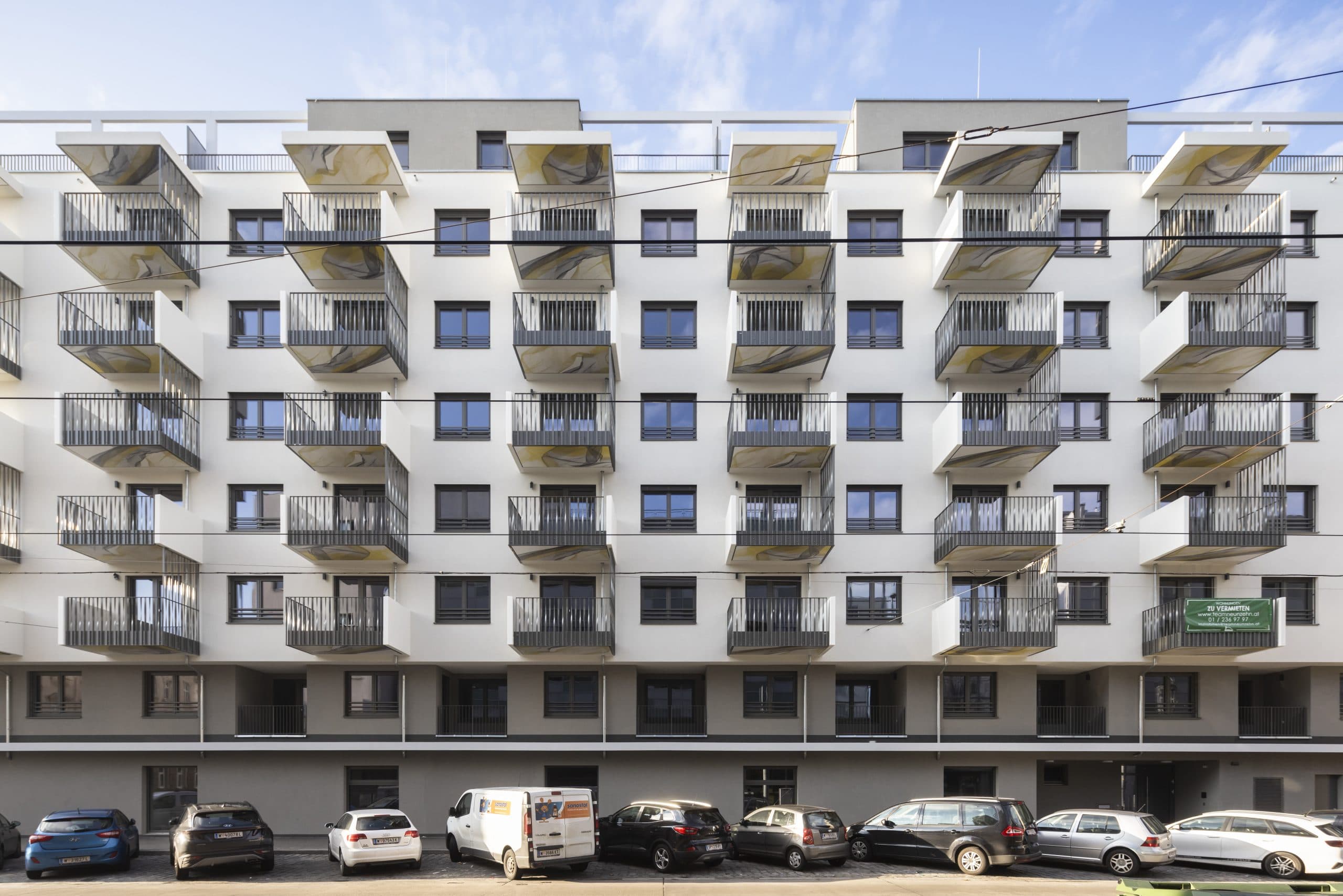
Other measures move closer to the physical housing stock itself. Here, the emphasis shifts to giving residential development greater priority and to making better use of what already exists before pushing further outward through urban expansion. This reflects an understanding that affordability pressures cannot be eased by new construction alone. The way existing buildings are used, maintained and upgraded plays an equally important role.
This logic is reflected in the EU’s growing focus on what is increasingly described as “holistic affordability”. In practice, this means looking beyond advertised rents or purchase prices and considering the full set of costs households face over time. Construction quality, energy performance and maintenance needs all shape whether housing is affordable throughout its life cycle. Seen from this perspective, affordability and sustainability are closely linked, and investments in energy efficiency or modern construction methods become vital.
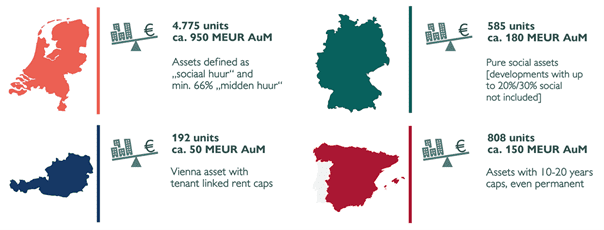
More complex are policy approaches aimed at expanding social and affordable rental housing through new delivery and financing models. These initiatives aim to strike a balance: rents that households can sustain, and projects that remain economically viable for investors. For institutional investors, the emerging EU agenda nevertheless offers a clearer frame of reference. Certain priorities are increasingly visible: a stronger focus on affordable rents, greater attention to the potential of existing stock, the use of cost-efficient and modular construction and improved data transparency to support more informed risk assessment.
Certain priorities align naturally with long-term investment considerations: focusing on affordable rental housing in markets where housing cost overburden is rising, strengthening the role of existing stock, supporting cost-efficient and modular construction techniques, and improving data transparency as a basis for more robust risk assessment.
Taken together, these developments point to a gradual repositioning of affordable housing within the institutional investment landscape. Under stable and transparent regulatory conditions, affordable housing can provide steady income streams, lower volatility and sustained social relevance. Addressing Europe’s housing affordability challenge therefore extends beyond public policy alone. It also depends on mobilising private capital in ways that balance social objectives with long-term investment viability.