The German property investment market is continuing to recover. Despite geopolitical uncertainties, transaction volumes in the first half of 2026 outperformed many expectations. In most asset classes and cities, they were higher than in the same period last year.
The upturn is particularly evident in the residential property sector. However, the first selective signs of a turnaround are also becoming apparent in the office, hotel and retail sectors. This is the conclusion reached by the new DAVE Market Report 2026/2027, which the German Investment Property Association (DAVE) presented at Expo Real 2026.
“The property market is on the move again, but we are not returning to the market conditions of the years before the interest rate turnaround. Capital is available and investors are more active once more. At the same time, much greater care is being taken to assess where and in what quality to invest. Location, building quality, energy efficiency, development potential and a robust return outlook are now more decisive than ever in investment decisions,” says René Husfeldt, Managing Director of DAVE.
The 2026/2027 Market Report brings together the assessments and market data from DAVE partners for 22 German and three Austrian property locations. In addition to trends in the residential and commercial property markets, the report includes, amongst other things, data on residential rents, purchase price factors and office markets, as well as yield maps.
Residential property remains a stabilising force
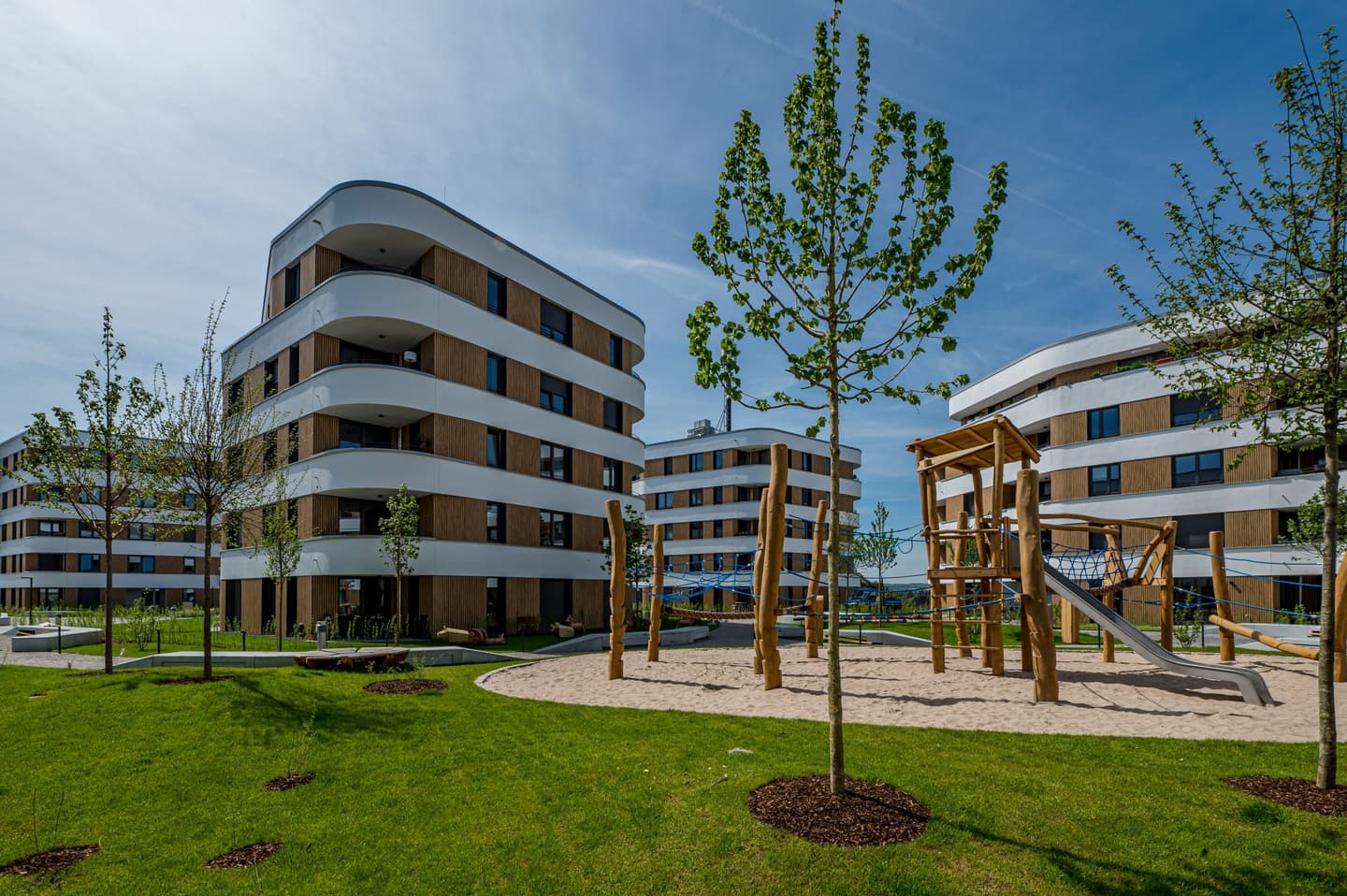
The residential investment market is proving particularly resilient. Rising basic rents are expected in almost all the regions surveyed in Germany and Austria. The key factors driving this are limited supply, high demand and the continued low level of new-build activity. At the same time, higher financing costs compared with the period of low interest rates are making it difficult for many households to move from renting to home ownership. This is putting further pressure on the rental housing markets.
Investors are increasingly focusing on multi-family houses and residential complexes with development potential. Modernisation and refurbishment measures can open up opportunities to improve long-term lettability and enhance value. At the same time, the market demands a much more nuanced assessment of individual properties.
“Residential property is currently the anchor of stability in the property market. However, the crucial question for investors is no longer simply which city to invest in, but which property within that market actually has future potential. This is precisely why local market knowledge is once again becoming hugely important,” said Husfeldt. The regional analyses show just how differently the individual markets are developing.
Office market: Quality is key
The office market is proving to be significantly more selective. Modern, energy-efficient spaces in central locations are in high demand, whilst older, outdated properties – particularly in outlying areas – are coming under increasing pressure. This trend is evident across many of the cities analysed by DAVE. The polarisation of the market is thus continuing. It is not the asset class alone that determines a property’s investment potential, but increasingly the future viability of the individual building.
Logistics remains robust, whilst retail remains selective
The picture is similarly mixed across other commercial asset classes. Logistics properties have been relatively unaffected by price corrections in recent years due to stable demand. In the retail sector, properties with food supermarkets as anchor tenants, in particular, continue to generate attractive returns.
Austria is still lagging behind Germany’s recovery
Whilst the German market is becoming increasingly stable, the picture in Austria is different. There, the volume of transactions fell once again compared with 2025, for both residential and commercial properties. DAVE attributes this, amongst other things, to the typical time lag with which developments in the property sector take hold in Germany and Austria. At the same time, initial signs of stabilisation are also emerging in individual local markets there. In Linz, for example, the willingness to invest initially improved in 2025 as financing costs fell and inflation declined. Since the start of 2026, however, this trend has once again been held back by countervailing factors. High-quality properties in central locations remain in short supply and their prices have remained comparatively stable.
DAVE: “The era of blanket investment is over”
For DAVE, therefore, the current trend marks not so much a return to old market mechanisms as the start of a new investment phase. Now that the pricing process is largely complete, investors have adjusted to the higher interest rate environment. Family offices with substantial equity capital are once again becoming more active, as are institutional investors. At the same time, financing conditions are more demanding and purchase decisions are being scrutinised more closely.
Husfeldt: “The days of blanket investment are over. We are once again seeing opportunities, and in a wide variety of markets. The key is to identify these opportunities at the property and micro levels. Anyone investing today must consider returns, risk, financing and future usability as a whole. Yet this is precisely where the opportunity in the current market lies.”
The DAVE Market Report 2026/2027 contains market analyses and key figures for 25 locations in Germany and Austria and is aimed in particular at institutional investors, companies, foundations, family offices, communities of heirs and private investors. The full report is available for download.