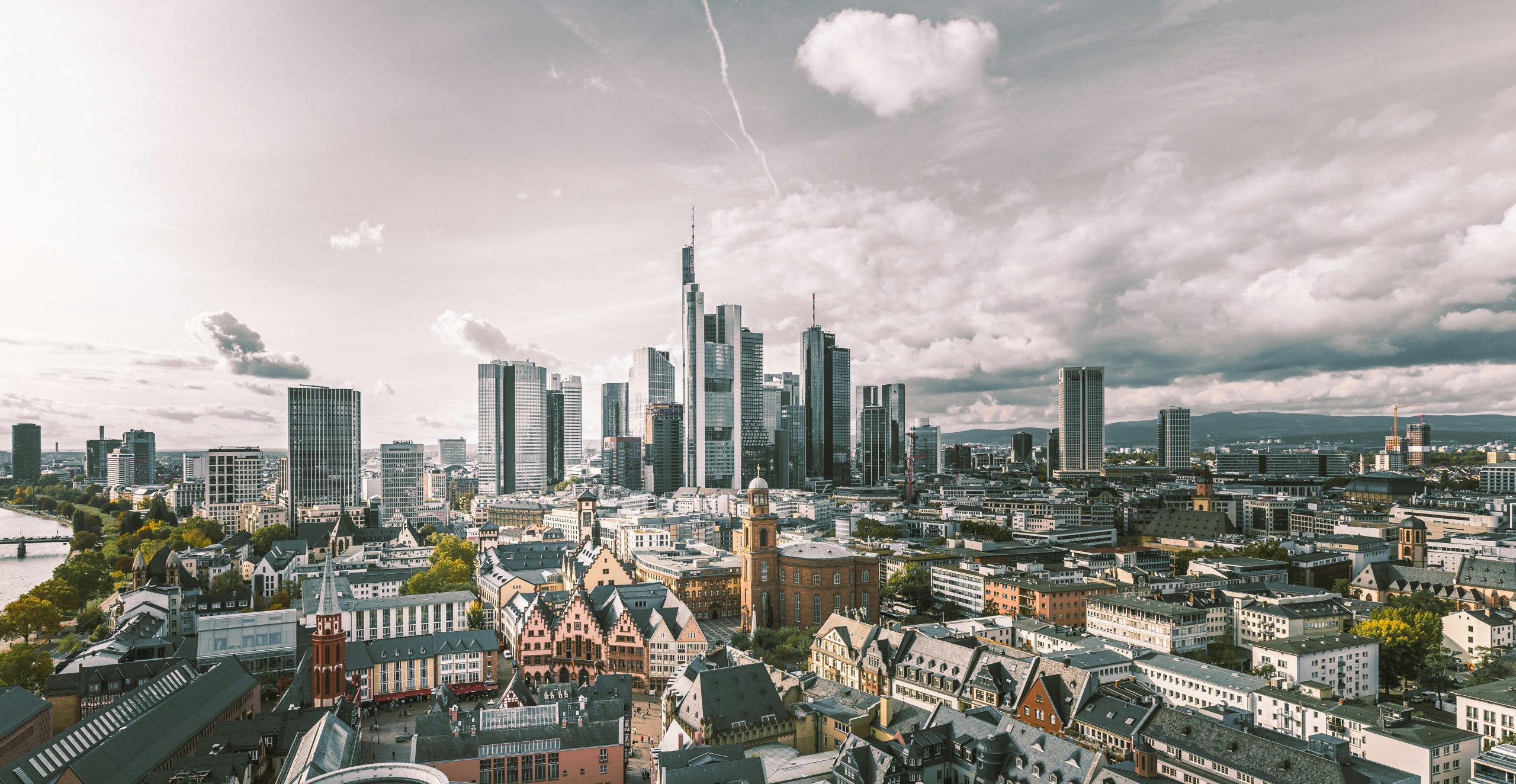
The Frankfurt investment market achieved a transaction volume of around €600 million by mid-2026. Of this amount, around €250 million was attributable to the second quarter. Although the volume is still around 70% below the long-term average, a significant increase was recorded compared to the previous year (+153%). Against the backdrop of the increasingly complex market environment, this development is remarkable: the Iran war and the rise in energy prices have turned interest rate expectations around and increased economic uncertainties, so that sales processes have dragged on again, especially at the beginning of the second quarter. It is all the more positive that there was movement in the market shortly before the end of the quarter and that deals were also registered in the office segment, which dominates the market for Frankfurt. This is the result of the analysis by BNP Paribas Real Estate.
“Despite the current environment of higher financing and opportunity costs, there has been no significant change in net prime yields in the office and high-street segments so far, so that 4.50% and 3.75% respectively remain unchanged. In the office segment, this sideways movement is supported in particular by the current strong rental growth in the top segment, which further improves the earnings prospects of high-quality core properties in prime locations. In the logistics segment, on the other hand, the upward pressure is leading to a slight adjustment of 10 basis points to 4.60%,” explains Riza Demirci, Managing Director and Frankfurt Branch Manager of BNP Paribas Real Estate GmbH.
Office properties account for the majority of the volume, market continues to be comparatively fragmented
Office investments once again had a significant impact on Frankfurt’s market structure in the first half of the year, accounting for more than half of the transaction volume at around 57%. At €343 million, however, the absolute volume is still 76% below the long-term half-year average. On a positive note, the growing number of office transactions points to broader market activity again. So far, however, this has mainly taken place in the smaller and medium-sized segment up to around €70 million. Other significant shares of revenue are also accounted for by hotel properties (11% share) and the retail segment (10%).
This shift towards smaller and medium-sized tickets is also reflected in the distribution of size classes. Although the overall transaction volume is gradually increasing, large-volume deals remain rare. Following the interest rate shock, only four transactions in the three-digit million range have been registered in Frankfurt since 2023 to date, of which “The Move Blue” is only one classic office transaction with an existing office property. In the current year, as in 2025, no transaction above €100 million has yet been registered. The largest transaction is the purchase of the Overture office property at Junghofstraße 13-15 by VKB in the first quarter.
Prospects
“After the noticeably stronger first half of the year, the outlook for the Frankfurt investment market is cautiously optimistic. Market activity has increased visibly compared to previous years. However, whether there will also be larger volume jumps in the second half of the year will depend largely on whether major transactions are finalized. The fact that Frankfurt, as an international financial and service metropolis, continues to have robust fundamentals on the user side speaks in favour of the location. In particular, demand for high-quality office space and strong rental growth in the top segment are supporting earnings prospects and are likely to keep the market in the focus of investors in the second half of the year. Against this background, it is likely from today’s perspective that the investment volume will significantly exceed the €1 billion mark by the end of the year,” predicts Riza Demirci.
Nevertheless, the macroeconomic environment remains challenging. The Iran war has once again brought more volatility to the capital markets through higher energy prices and changed interest rate expectations and brought financing costs back into focus. Although there is currently no further significant increase in the cost of financing foreseeable, there are no signs of a quick relief either. In the short term, this leaves little room for falling yields. Meanwhile, selective upward adjustments of individual asset classes are possible.