With the new short study “More Speed in School Construction – Orientation for Future-Proof Investment Decisions”, bulwiengesa publishes the first technical study within the framework of the Educational Real Estate Initiative. It examines how municipal school construction projects can be implemented faster, economically and in the long term. The focus is on different implementation models and the question of which solution is suitable under the respective project and framework conditions.
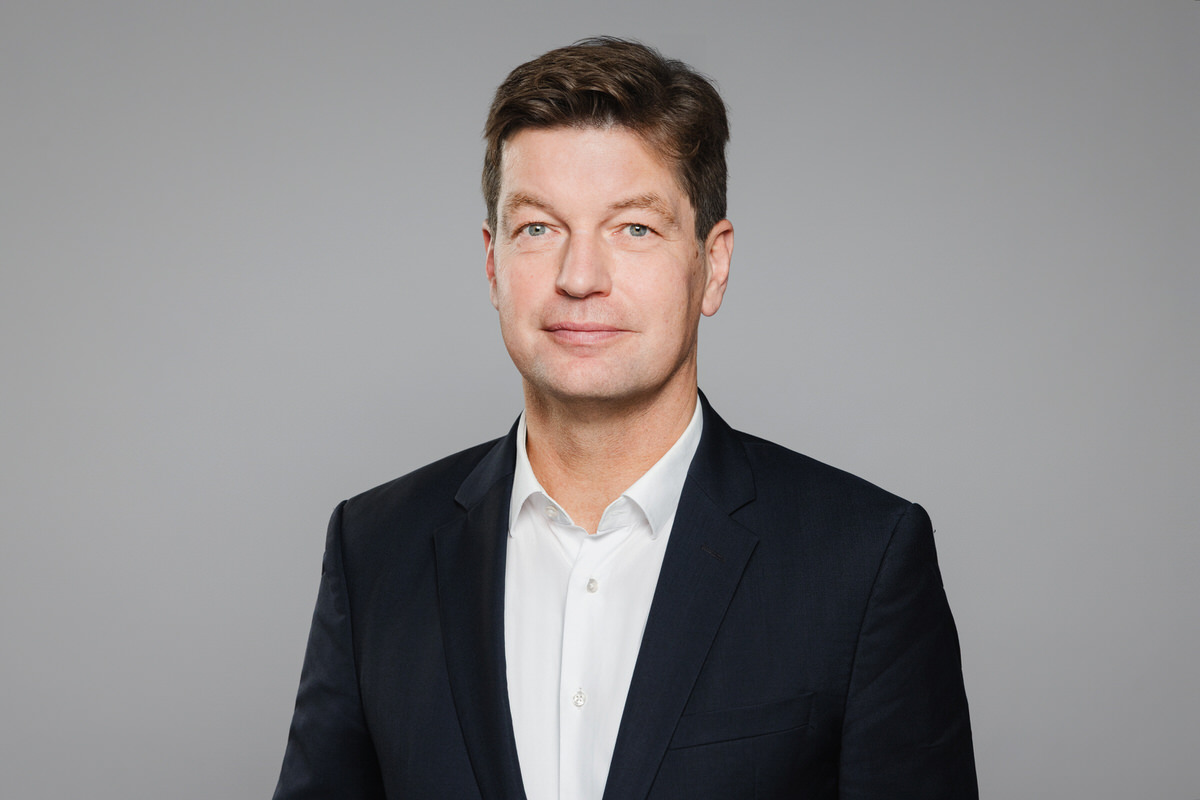
“Whether a school construction project is economically viable and sustainable in the long term is not decided solely by the construction costs. Only the consideration of the entire life cycle – from investment and operation to maintenance and subsequent adjustments – creates a reliable basis for choosing the appropriate implementation model,” says Sven Carstensen, Managing Director of bulwiengesa and co-author of the study.
School construction is increasingly becoming a question of implementation
The need for investment in municipal school construction remains high. At the same time, the requirements are increasing due to all-day schooling, inclusion, digitalisation and sustainability. Many municipalities are reaching their limits not only financially, but also in terms of personnel and organisation. The bottleneck in municipal school construction is no longer just a question of financing. Increasingly, available planning, administrative and implementation capacities are also determining how quickly urgently needed projects can be realised.
Thinking about profitability over the life cycle
In addition to municipal self-development, the study looks at investor/rental models and partnership-based forms of implementation. There is no generally superior model. The decisive factors are the specific project goals, available resources and requirements for risk, control and flexibility.
For a reliable comparison, it is therefore not sufficient to look at the construction costs. Land, planning, financing, construction, operation, maintenance and subsequent adjustments must be considered over the entire life cycle. The study summarises the essential criteria in a decision matrix and thus offers municipalities orientation for the project-specific model selection.
About the Educational Real Estate Initiative
The short study is the first technical publication within the framework of the Educational Real Estate Initiative initiated by bulwiengesa. It brings together stakeholders from financing, development, planning and control, law, investment and portfolio. The aim is to increase market transparency, promote exchange between the public sector, the real estate industry and the capital market, and jointly develop solutions for sustainable educational real estate.
Currently, the Art-Invest initiative includes Real Eatate, DKB, Drees & Sommer, GSK Stockmann, Hemsö, HIH Projektentwicklung, KanAm Grund Group, KGAL, LBBW Immobilien, LHI and Mondial.