The German logistics property market is holding its own in a challenging economic and geopolitical environment. Chinese e-commerce companies are expanding their European supply chains, the defence sector requires additional storage capacity, and the supply of modern premises in established locations remains tight. This is supporting the lettings market and also opens up prospects for moderate rent growth in 2027. In the investment market, however, rising financing costs and volatile interest rates are hampering the recovery. International buyers remain active, but are scrutinising locations and property quality closely.
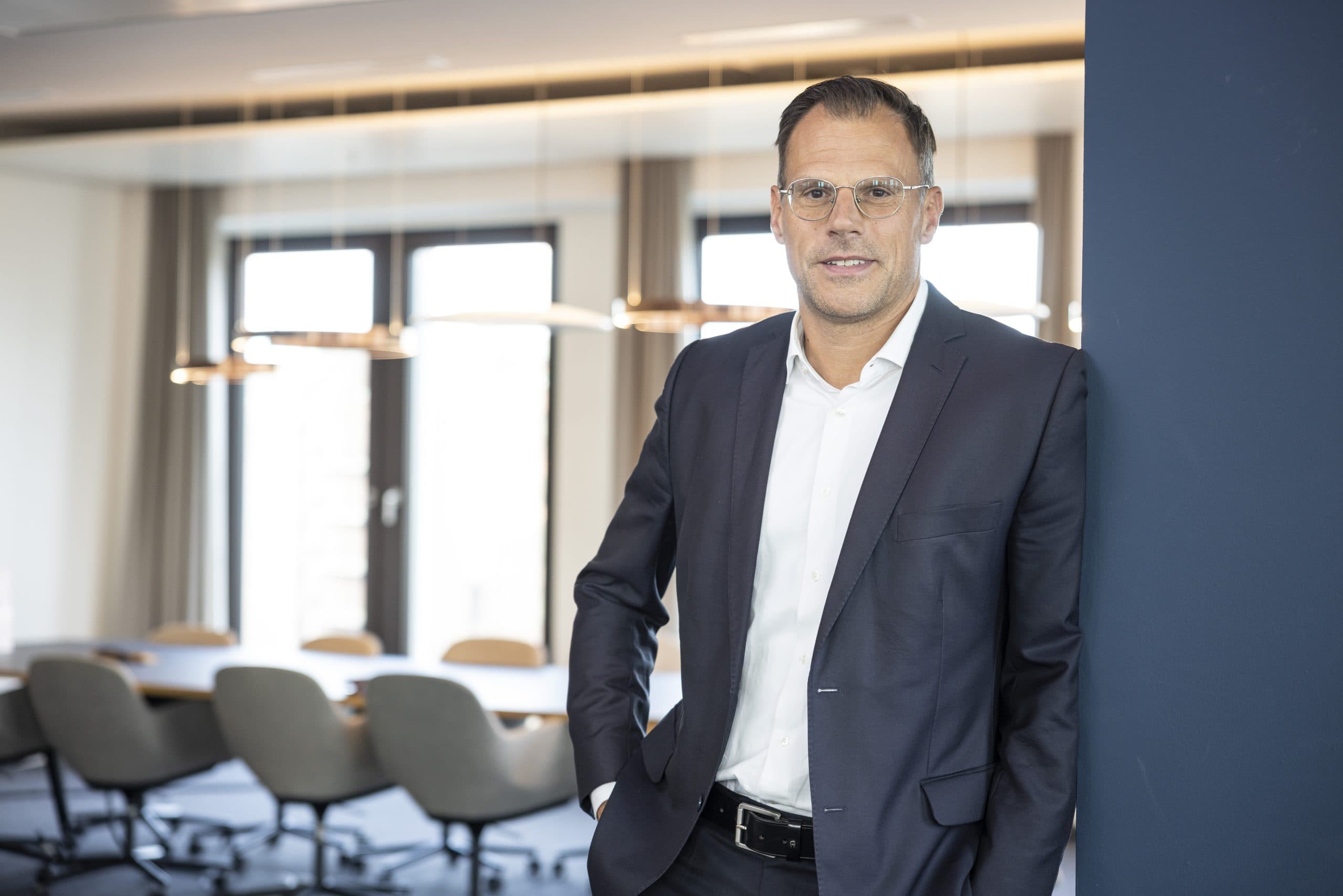
Christian Müller, Head of Research & Strategy Germany at Savills Investment Management, Felix Meyen, Managing Director of HIH Invest Real Estate, and Christopher Gigl, Director of Investment Germany at SEGRO, discussed market developments and the outlook for the coming year at an online press conference organised by Rueckerconsult.
Surprisingly positive letting momentum
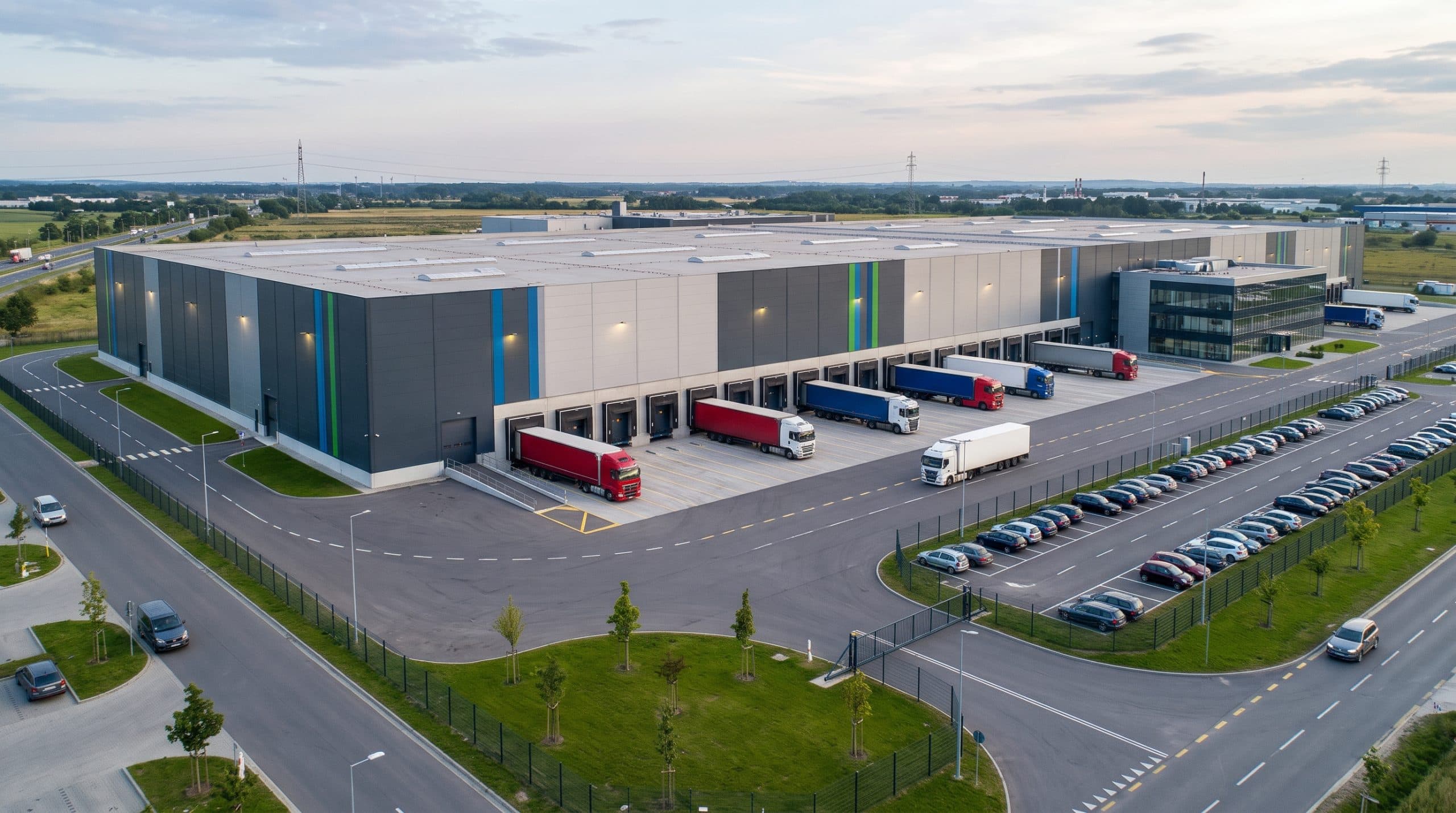
According to the participants, demand for space has performed better than the weak economic climate at the start of the year would have suggested. New user groups and the restructuring of supply chains are driving momentum in the lettings market. At the same time, the number of completions is falling, and speculative property developments are becoming less common. As a result, there is a shortage of modern logistics space in many sub-markets, particularly in and around the major conurbations.
“The logistics lettings market has performed well in recent months,” says Felix Meyen. “We are seeing very low vacancy rates, moderately rising rents and very solid lettings turnover.” Christopher Gigl confirms this trend and puts the rental growth into perspective: “Admittedly, the growth rates are not comparable to those seen during the Covid-19 period. Nevertheless, the market is performing solidly and showing positive trends in several regions.”
Christian Müller observes an increasing shift in demand towards high-quality properties. Occupiers require modern buildings to organise their supply chains efficiently. “We continue to anticipate positive prospects for rental growth in the German logistics property market,” says Müller. Differentiation based on location and building quality remains crucial. Prime locations and modern, flexibly usable properties are benefiting in many places from a structural excess of demand, whilst space availability is higher in individual sub-markets outside the major urban centres.
Chinese e-commerce companies are driving demand, particularly in North Rhine-Westphalia
A significant boost to demand is coming from Chinese retail companies and their logistics service providers. They are establishing their own warehouse and distribution networks in Europe to shorten delivery times, maintain local stock levels and handle returns more efficiently. A key focus is on North Rhine-Westphalia, particularly the Düsseldorf and Duisburg areas. Above all, the region’s proximity to Dutch seaports, its high population density and its central location in Europe make it attractive.
Christopher Gigl describes the extent to which this new group of tenants is shaping individual sub-markets, drawing on letting practice: “In some regions, I have observed that Chinese companies account for up to 80 per cent of tenancy enquiries for new developments. The requirements for the properties differ very little from those of European or American e-commerce providers. What is in demand are well-connected sites with high stock turnover, sufficient trailer parking spaces and the infrastructure for automation. The rapid pace at which contracts are sought is also striking.”
Initial reservations regarding credit checks are increasingly being dispelled. Felix Meyen reports: “Initially, many newly established German companies with no significant economic substance acted as tenants. However, operational turnover and a workforce of their own now make the assessment easier. Furthermore, there is a growing willingness to provide additional security, such as letters of comfort from financially stronger companies. Not only is there demand, but the corresponding tenancy agreements are now also being concluded.”
Defence sector brings new locations and long-term leases
Increased defence spending is also having an impact on the logistics property market. For institutional landlords, the focus has so far been primarily on the supply of clothing, equipment and spare parts. By contrast, according to the participants’ assessment, security-critical production and the handling of explosive materials remain predominantly in owner-occupied premises belonging to defence companies.
“The demand is definitely visible in the market,” says Christopher Gigl. “It is also reaching locations outside the traditional logistics centres. However, it has so far been almost impossible to quantify a reliable overall market share due to the cautious approach to communication regarding security-related uses.”
Felix Meyen adds: “The Bundeswehr’s choice of locations is guided more by existing barracks and internal supply networks than by the usual logistics clusters. In return, users are prepared to commit to long-term leases. We are seeing tenancy agreements with terms of up to 20 years, which, combined with the tenant’s creditworthiness, could result in attractive investment opportunities. The building requirements range from traditional spare-parts warehouses to specially configured, two-storey clothing warehouses.”
International buyers are keeping the investment market buoyant
The picture on the investment market is more subdued. Christian Müller points to higher financing costs and a narrowing yield spread relative to government bonds. This is leading to price corrections and renegotiations. “Nevertheless, transactions are still taking place. Additional buying opportunities may arise when owners are forced to sell properties in view of upcoming refinancing,” says Müller.
International investors play an important role. Felix Meyen explains: “At present, large European and Anglo-Saxon investment firms in particular are active, including value-add investors, funds with varying risk profiles and American REITs. German institutional investors, by contrast, continue to adopt a rather cautious approach.” Christian Müller adds that well-capitalised institutional investors and family offices are also making acquisitions when suitable opportunities arise.
According to Meyen, demand is concentrated in two risk categories: traditional core logistics properties in established locations, and value-add properties and portfolios with potential through new lettings or construction measures. Demand is weaker in the areas between these two extremes.
Light industrial is gaining importance among investors
Alongside traditional distribution centres, light industrial properties are coming more into focus. Christopher Gigl sees several reasons for this: “Business parks offer a broad tenant base, flexible usage options and good prospects for re-letting. Added to this is a yield premium compared with traditional core logistics properties. This also increases their appeal to institutional investors.”
Buyers remain selective when it comes to choosing locations. Gigl explains: “We currently perceive Hamburg, North Rhine-Westphalia, the Rhine-Main region and Munich as particularly sought-after regions.” Müller also points to strategic national logistics corridors such as Kassel/Bad Hersfeld, as well as locations near the Dutch border that are important for pan-European distribution. Other key factors include transport links, the availability of labour and a sufficient number of potential tenants. Furthermore, the size of a property must be suited to the local lettings market.
Outlook for 2027 remains positive for lettings
Overall, participants expect robust demand for space to continue into 2027. E-commerce, the defence sector and logistics service providers are likely to continue to underpin the market.
In the investment market, Meyen anticipates a sideways trend. Despite the uncertainties, Müller remains confident that Germany will still have an active logistics investment market in 2027. Price corrections and refinancing could create new investment opportunities. Given the structural drivers of demand, investor interest in the asset class remains high.