

The German residential investment market recorded a transaction volume of just under 5.9 billion euros in the first three quarters of 2026, which was around four per cent lower than in the same period last year. Of this, around 2.3 billion euros was accounted for by the third quarter, which was the strongest quarter of the year to date. Market activity was characterised by major transactions involving existing portfolios and international capital. These are the findings of a recent analysis by the global property services firm CBRE.
“The third quarter saw a significant rise in investment volume. Transaction turnover increased by 17 per cent compared with the previous quarter. This was largely driven by major portfolio transactions, which underpinned market activity,” says Stefan Wilke, Head of Residential Investment Germany at CBRE.
Accounting for around 25 per cent of total German property investment volume, residential property was once again the strongest asset class in the first three quarters of 2026. The market upturn in the third quarter was driven by a handful of large portfolio transactions: these deals accounted for more than half of the quarter’s volume. Portfolio transactions accounted for around 75 per cent of the total in the third quarter, whilst existing properties accounted for around 89 per cent. At the same time, the number of transactions fell from 51 to 44 compared with the previous quarter. In this environment, CBRE facilitated, amongst other things, the successful sale of two residential portfolios in Berlin comprising a total of around 800 flats.
Investments in existing properties and in completed new-builds continued to dominate market activity. Forward purchases and forward financings, by contrast, remained subdued. “A key reason for this is the thinning project pipeline in the multi-family housing segment. As exit prices are currently only achievable to a limited extent, fewer projects are being started, whilst the risk of insolvency on the part of developers remains high,” explains Michael Schlatterer, Managing Director of Residential Valuation Germany at CBRE.
International capital drives market liquidity
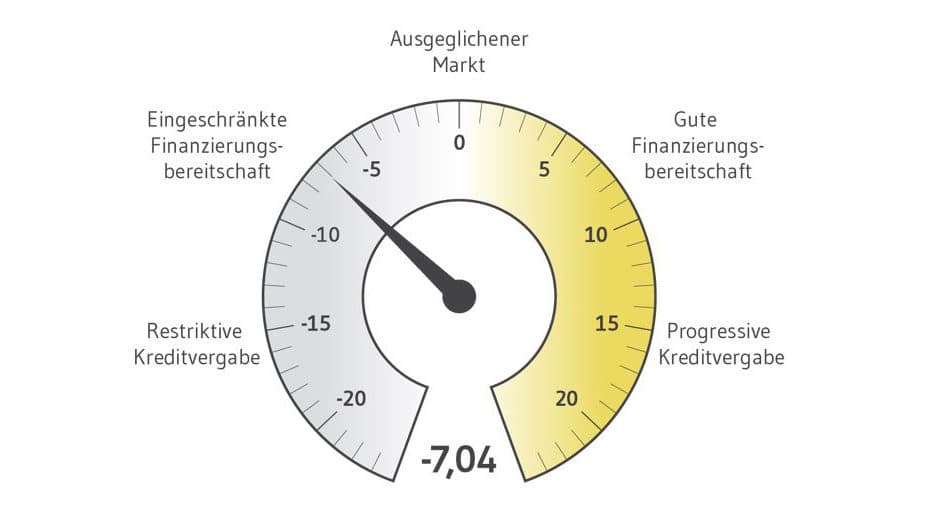
. Foreign buyers accounted for around three-quarters of the investment volume in the third quarter, focusing primarily on larger portfolio transactions. This underlines the continued appeal of German residential property to international investors. The result was largely driven by larger core-plus, value-add and opportunistic transactions. Value-add and opportunistic strategies together accounted for around 58 per cent, whilst core and core-plus strategies accounted for around 42 per cent. “Investors with discretionary capital and an active asset management approach are currently better positioned to act. Traditional core investors are becoming more selective due to higher financing costs and increasingly stringent yield requirements,” says Wilke.
Top 7 markets clearly in the spotlight
for investors Germany’s top 7 residential property markets remain key target markets for institutional and international capital. At the same time, investment decisions are becoming more regionally differentiated.
“Location analysis, in-depth opportunity-risk analyses as part of commercial due diligence, and detailed consultancy on acquisition mandates are becoming increasingly important. Alongside the top seven locations, regional markets are increasingly coming into focus, where investors have identified attractive risk-return profiles and opportunities for scaling up,” says Jirka Stachen, Head of Research Consulting Continental Europe at CBRE.
“Berlin remains Germany’s largest residential investment market. At the same time, the debate on social housing and further discussions on rent regulation are increasing the need for due diligence, particularly amongst risk-averse investors. In cities such as Stuttgart, the potential consequences of structural change in the automotive industry for employment, immigration and long-term rental demand are being scrutinised more critically. However, attractive incentive schemes improve the investment case and offset some of the risks,” adds Stachen.
Pricing remains challenging
Pricing remained challenging in the third quarter. Many sales transactions were renegotiated, had their prices adjusted or were postponed before completion. The average prime yield for multi-family residential properties in the top seven cities rose by 0.2 percentage points compared with the previous quarter to 3.59 per cent. This was driven by changing capital market conditions, higher financing costs and increased distribution requirements.
“The rise in prime yields and the associated price adjustments have opened up more attractive entry opportunities for many investors than in previous quarters. This adjustment in yields is primarily driven by capital market factors and does not reflect a fundamental deterioration in the housing sector’s fundamentals. However, whether investments – particularly in property development and energy efficiency measures – can be made on a viable commercial basis depends largely on sustainable financing conditions and attractive funding opportunities,” says Schlatterer.
“Capital is generally available, but is being deployed in a more selective and asset-specific manner. The stronger reaction in the prime segment can be explained in particular by the greater sensitivity of core capital to the yield spread relative to lower-risk fixed-income investments,” adds Wilke.
Outlook for the full year
“For the full year, a transaction volume of around eight billion euros – and thus on a par with the previous year – seems realistic,” says Wilke. “Whether this level is achieved will depend largely on the completion of further major portfolio transactions in the final quarter.” In view of the changed capital market environment, a further moderate rise in prime yields is expected by the end of the year.