BNP Paribas Real Estate publishes data on the logistics market Q2 2026
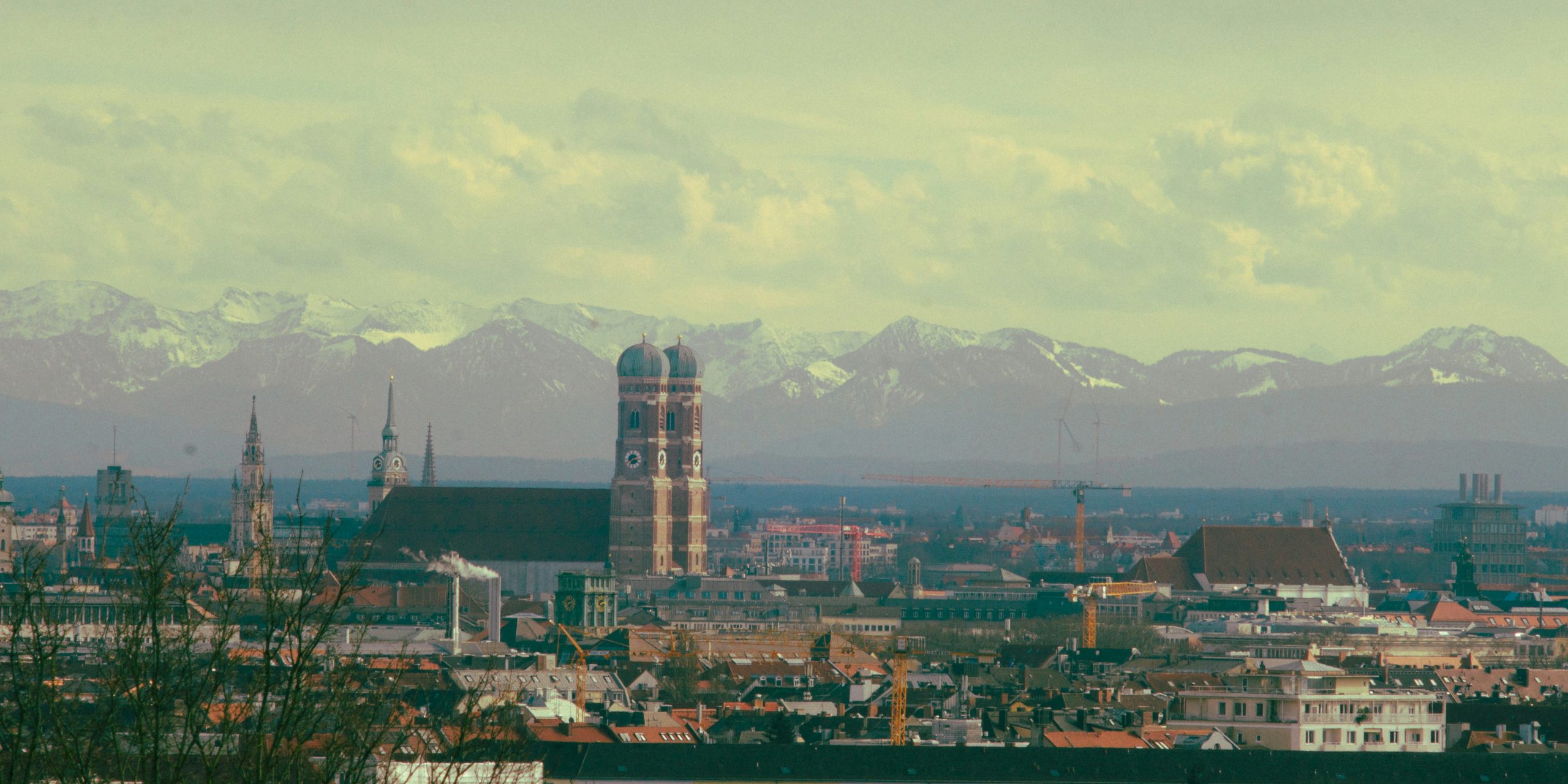
The Munich market for warehouse and logistics space achieved a good result in the first half of 2026. Overall, take-up amounted to 85,000 m², around 42% above the previous year’s level. After a very dynamic first quarter, however, take-up in Q2 was much more moderate at 28,000 m², which means that the long-term average of 104,000 m² has not yet been reached again. This is the result of the analysis by BNP Paribas Real Estate.
“Against the backdrop of economic expectations, which have recently been significantly subdued again as a result of the Iran war, the half-year result can nevertheless be classified positively. For example, the measured take-up does not directly reflect the current very high level of demand compared to previous years, but continues to be significantly limited by the chronic shortage of space in the Munich market area. Technology, production, and research and development-related companies are particularly active. An example of this is the largest registered deal of the year so far: the leasing of 10,000 m² by a technology company from the defence sector in Schwabing-Freimann,” explains Christopher Raabe, Managing Director and Head of Logistics & Industrial at BNP Paribas Real Estate GmbH.
The rent level is stable compared to the previous quarter, but is significantly higher than in the previous year. The prime rent is currently quoted at €11.25/m², 7% higher than in the previous year. At €9.90/m², the average rent is even 10% higher than in a twelve-month comparison. However, inner-city light industrial spaces in particular also achieve significantly higher rents than the classic logistics rents shown here.
Market activity continues to be very fragmented
A look at the size class distribution once again shows the special structure of the Munich logistics market. Large-scale closures remain the exception. In the first half of the year, no contract above 10,000 m² was registered, while the small-scale segment dominates. Areas of up to 3,000 m² account for significantly more than half of the total take-up. Around 49,000 m² is equivalent to the second-highest result in this size class in the last ten years. However, the decisive factor for the small-scale nature of the market is not so much a lack of demand for large units as the hardly existing supply. Large-scale logistics developments are increasingly emerging outside the market area boundaries due to high land prices and competing usage claims. Inside, technology and business parks characterize the events.
The distribution of industries also underlines the production-oriented character of the market. Industrial and manufacturing companies currently clearly lead the ranking with a share of 44%. The largest deal of the second quarter also fits in with this: the lease of 6,400 m² by SAEKI Technologies Germany in Kirchheim near Munich. Logistics service providers follow with around 26%, while retail companies currently have only a below-average share of a good 8%. The latter fits into the trend that can be observed nationwide that retailers are increasingly mapping their space requirements via logistics service providers.
Prospects
“In the first half of 2026, the Munich logistics market has proven that it is one of the most resilient locations in Germany, even in a challenging environment. Buoyed by remarkably high demand from the research and development, high-tech and defence sectors, take-up of space increased significantly compared with the previous year. The fact that the Bavarian capital has established itself as the centre of this growing segment is underlined by prominent settlement and expansion projects in the market area and should also continue to support the demand for space structurally,” says Bastian Hafner, Head of Logistics & Industrial Advisory at BNP Paribas Real Estate GmbH.
Nevertheless, a certain amount of economic uncertainty remains. Developments in the Middle East in particular can continue to change very quickly. Whether take-up by the end of the year will return to the long-term average of around 275,000 m² therefore remains to be seen. However, since several, sometimes larger, leases are currently being finalized, earnings are likely to increase noticeably in the second half of the year.
The upward pressure on rents continues unchanged. Modern, short-term space remains scarce and high land and construction costs set tight limits on project developments. It is only a matter of time before the average rent cracks the €10 mark. Whether already this year, however, remains to be seen.