The current US administration is tearing down previously supporting pillars of the economic system and prosperity. Stock markets are currently concentrating more on the positive news. However, the current measures create an environment that increases risks for capital markets in the long term.
The new US administration has only completed 15 percent of its term in office, but already the economic and foreign policy of the USA is more reminiscent of the world power behaviour of the British crown in the 19th century than of the period after the Second World War, in which the USA built an economic system and a new world order to prevent a repetition of the disastrous aberrations of the 19th and early 20th centuries.
Central wisdom of the post-war period that Washington is currently questioning: international cooperation and raising comparative strengths are beneficial for economic growth in all countries, tariffs prevent the efficient allocation of production factors and therefore have an inflationary effect, an independent central bank that keeps inflation expectations in check is a valuable asset and should therefore be treated with respect, the US dollar has to earn its role as the world's reserve currency again and again, international cooperation is important.
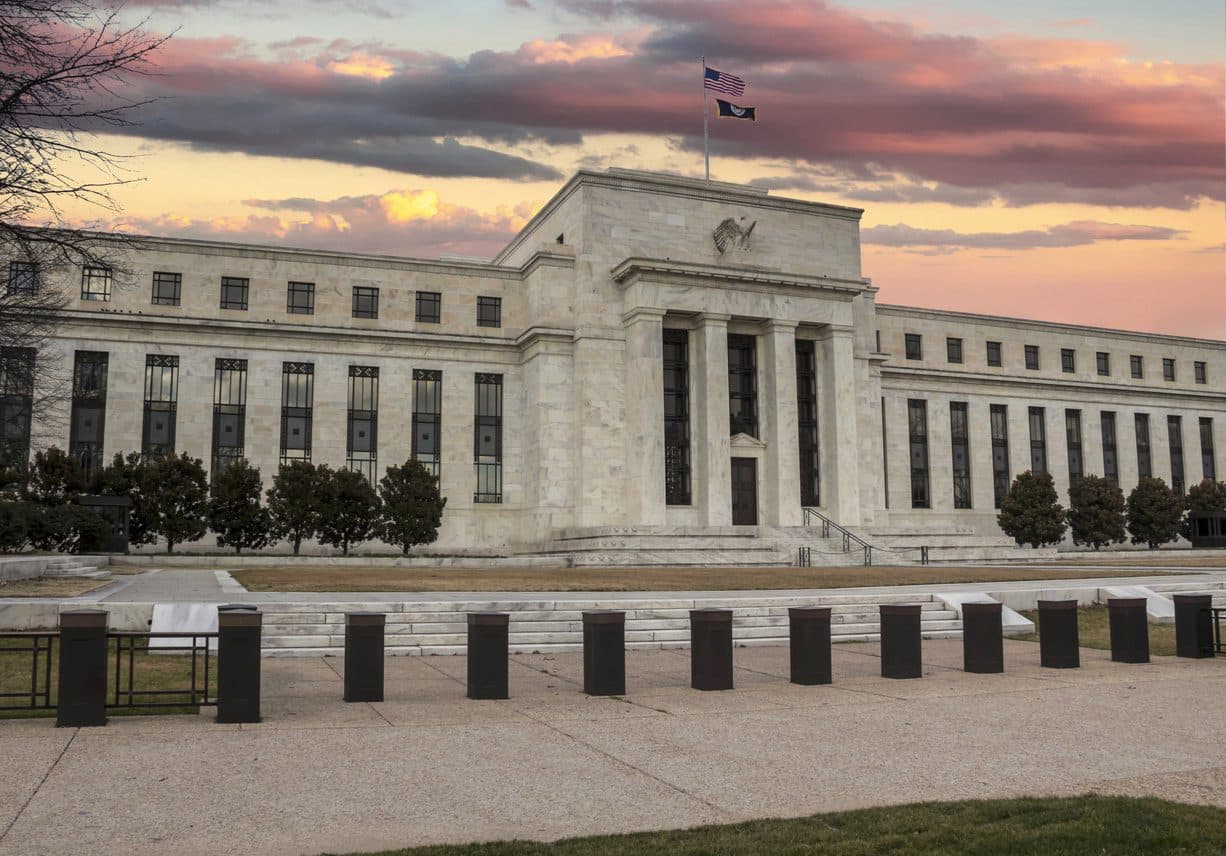
Many of these findings, confirmed by the past economic crises, have been ignored by the US in the last six months. The new boss in the White House thinks little of international cooperation: He announces – and if someone dares to contradict, he is showered with additional threats. Tariffs have been imposed, and the current ones bring the average U.S. tariff rate to regions not seen since the 1930s after the Great Depression. Jerome Powell, the steadfast head of the FED, is being dismantled by Trump and his comrades-in-arms in public wherever possible. Members of the FED board who do not share his opinion are also in the crosshairs. The US dollar is to be devalued, according to the president's economic team. But anyone who dares to question its uniqueness as a reserve currency and thus the financing of the "twin deficit" of the USA is threatened with draconian trade sanctions.
However, the capital markets have so far seemed rather unmoved. After a brief slump at the beginning of April, the stock markets in particular showed a positive performance. Why is this the case and can it stay that way in the long term?
The answer must start with the basis, which applies equally to political factors, wars and crises: capital markets have a single task and that is to determine the prices of different assets, they do not perform any moral or ideological function. So markets ask the question, which policies of the new administration have what implications for the price of which securities? Here it can be shown that there is a combination of factors that are little discussed in the public perception, but are currently having a positive effect. However, the negative factors are evident and are even further nourished by an erratic policy of the administration.
Let's start with the positive measures, which are little reported but are very much registered by the capital markets. It is about the great and, in my opinion, always underestimated effect of awakening the "animal spirits", of deregulation, of encouraging entrepreneurial activity. Even in Donald Trump's first term in office, it became clear that such positive measures on the economy are underestimated.
In addition, there are "technical" effects, also as a result of tactical decisions, which are currently having a positive effect on the markets, but also on the economic picture. The introduction of the tariffs has been delayed several times. This had economic and sentiment effects. Economically, there were initially growth-enhancing effects and a postponement of price effects. First, purchases of cheap products, i.e. without additional tariffs, were brought forward and inventories were increased in the first quarter, then the opposite effect was reduced in the second quarter because tariffs were temporarily suspended. There were few price increases because the higher reciprocal tariffs were suspended for 90 days for most countries shortly after the so-called "Liberation Day" and "only" the basic tariff of ten percent applied. This was followed by a further postponement until the beginning of August. Companies are likely to have waited for the final level of tariffs to raise prices.
But even more important were the mood effects. When the US administration announced the first tariff break, the markets interpreted a "Trump put", i.e. if the markets were too shocked by policy measures, the administration
, enriched with many billionaires and former capital market professionals, would react and give the markets what they needed.