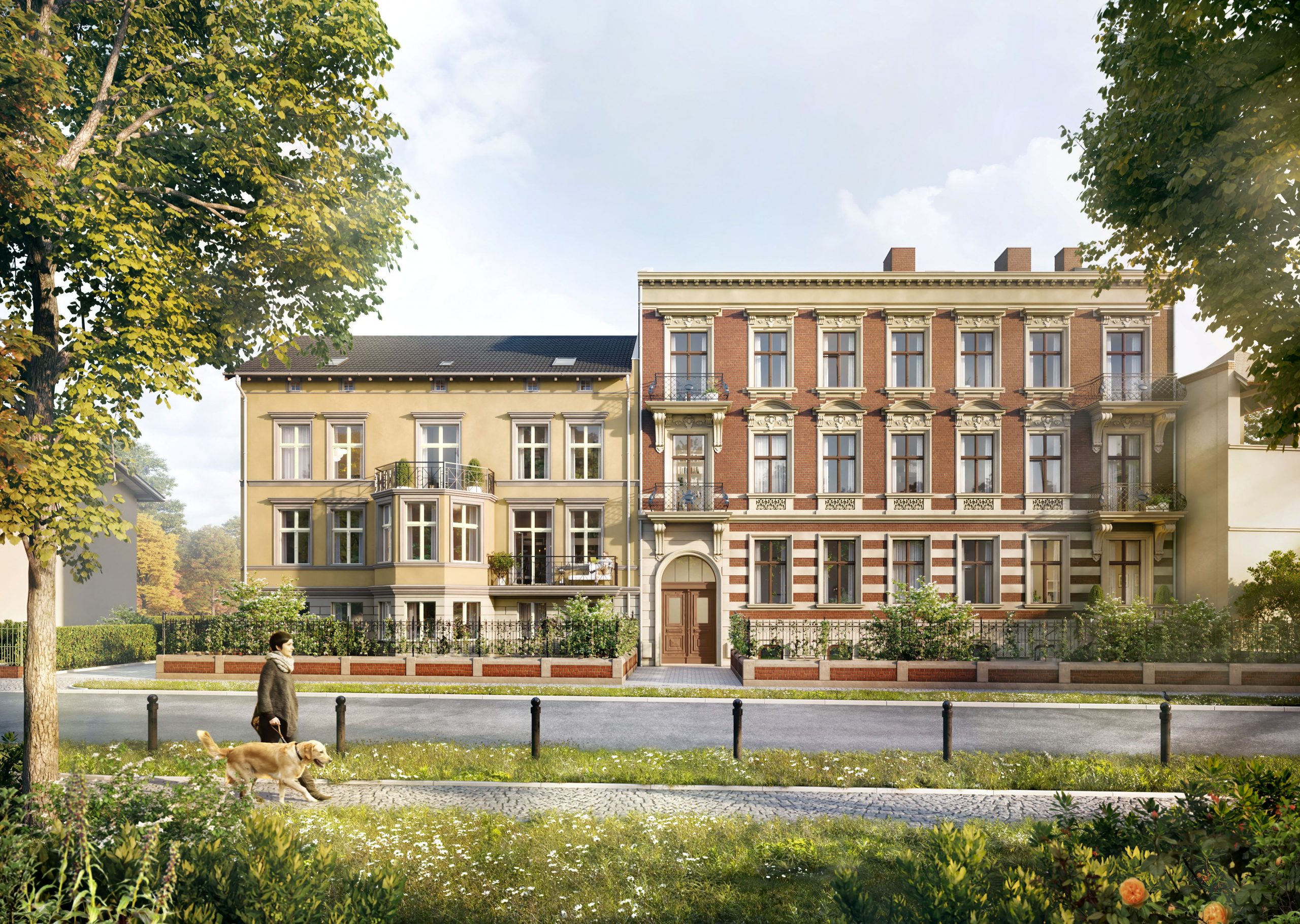
LAVA ENERGY (LAVA), an expert in economic decarbonization, has fully implemented sector coupling in the “Tiamo” residential district in Potsdam. With the commissioning of the charging infrastructure, heat, electricity and now also electromobility are for the first time continuously networked as an integrated overall system during operation. In this way, LAVA closes the energy cycle in the district, which combines listed existing buildings and new buildings.
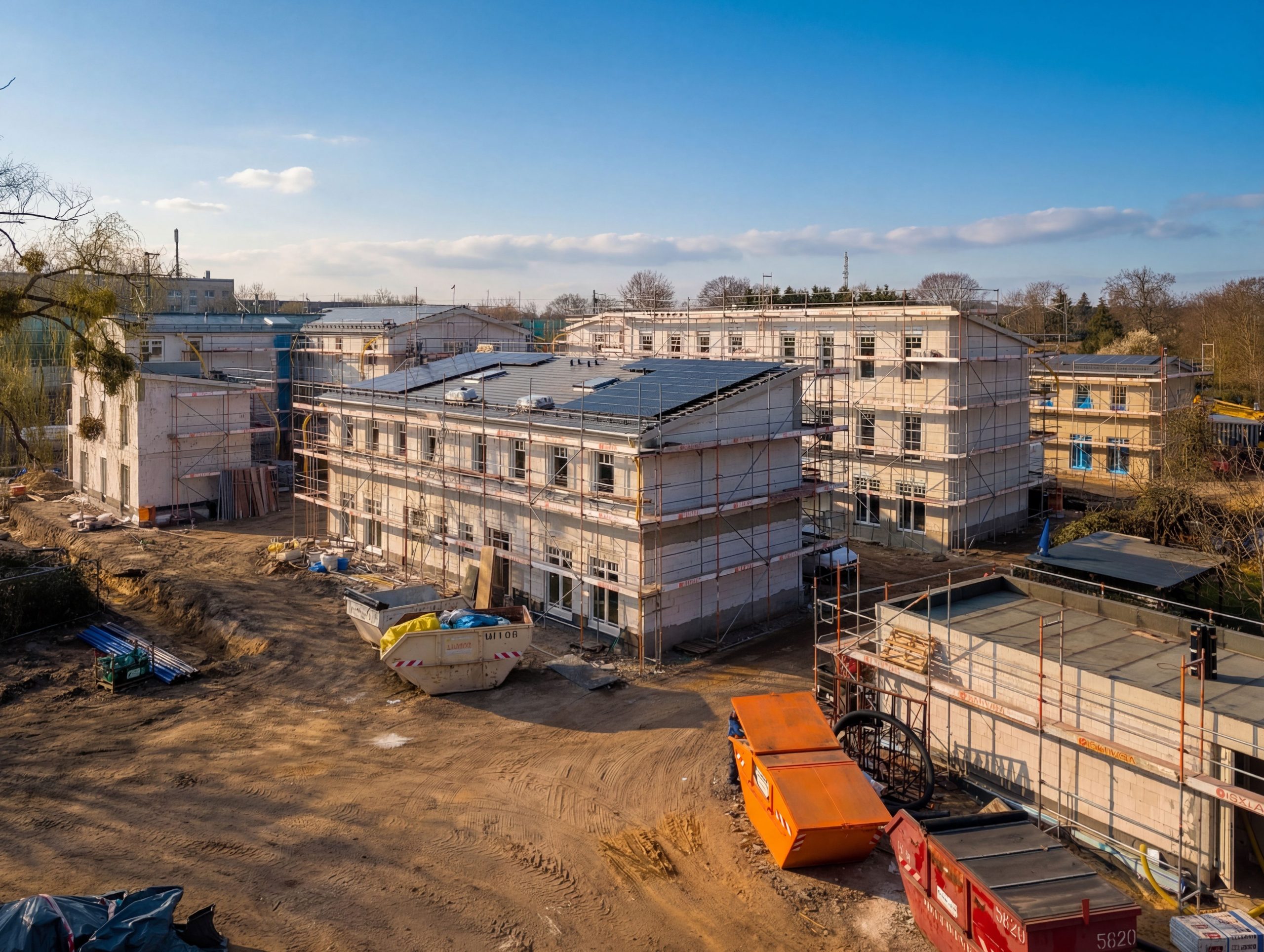
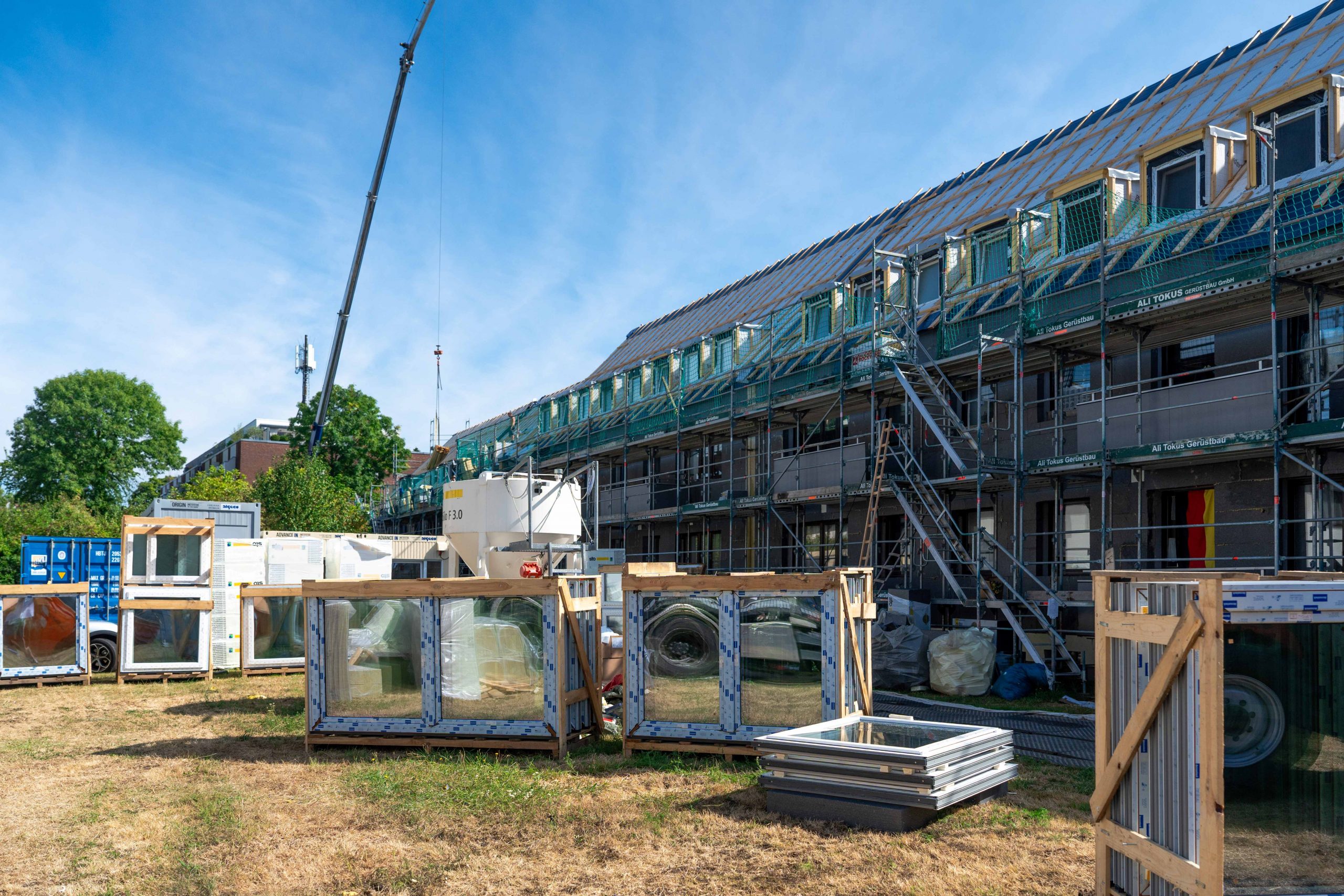
A particular challenge in the quarter was to map the different energy requirements of listed villas and modern new buildings in a common supply. The approximately 13,000 m² ensemble with 53 residential units combines both types of buildings in a small space. While existing buildings require higher system temperatures, new buildings are designed for lower temperature levels. For this purpose, LAVA has implemented a multi-temperature supply system that combines both structures in an integrated system and operates them economically.
At the heart of the energy supply is a hybrid heating system with a heating capacity of 495 kW, which combines a heat pump with a gas peak-load boiler. The concept is complemented by a photovoltaic system with an output of 120 kWp, which generates solar power directly on site. The share of renewable energies is around 80 percent, which saves around 100 tons of CO₂ annually.
With the rollout of electromobility, the coupling of the various sectors will be operationally completed: The electricity for the charging infrastructure comes directly from the photovoltaic system on the roofs of the district. Intelligent dynamic load management from LAVA ensures that the heat supply and charging infrastructure are guaranteed at all times.
In addition, the LAVA tenant electricity model was implemented, through which residents can purchase locally generated electricity directly in the neighbourhood at attractive conditions. In this way, the energy generated on site is used efficiently and the economic efficiency of the overall system is further strengthened. As an energy partner, LAVA has not only taken over the planning, but is also responsible for long-term operation and optimisation during ongoing operation. The concept was implemented together with the client Zauner Developments GmbH and the architectural firms Schmidt & Rudolf.
“The ‘Tiamo’ project shows what sector coupling means in practice: We network heat, electricity and electromobility in such a way that they interact efficiently in operation – even in a district with a listed substance and a new building. This is exactly where it is decided whether decarbonization in existing buildings works economically,” says Alexander Ubach-Utermöhl, Managing Director of LAVA ENERGY.
Heike Zauner, Managing Director of Zauner Developments GmbH, adds: “With the ‘Tiamo’ quarter, we are showing that high-quality architecture, monument protection and ESG requirements can be reconciled. LAVA has implemented an energy concept for this that is technically convincing and at the same time preserves the identity of the ensemble.”
The project shows how mixed districts of existing and new buildings can be economically decarbonised. The complete integration of heat, electricity and electromobility makes “Tiamo” a transferable model for the transformation of the housing industry.