At this year’s Host World Summit, the think tank Future of the Host World (DZG), in cooperation with leading industry associations, campaigned for more economic policy support and competitive location conditions: tax relief, less bureaucracy, lower energy costs, accelerated labour immigration and a new growth agenda were central points of debate. Around 220 executives from tourism, hospitality, foodservice and the leisure industry discussed the future of the German economy with top-class representatives from the Bundestag and the Federal Government in Berlin.
The hospitality service sector employs more than six million people nationwide and is therefore a central economic and social factor. From the think tank’s point of view, this systemically important function must become more of a focus of economic and tax policy decisions. In view of dwindling financial leeway, a close exchange between politics and the industry is therefore necessary in order to secure the business location in the long term, boost domestic demand and keep the hospitality world competitive – also in an international comparison.
“The personal exchange with parliamentarians is of great importance for all of us – especially in times when the tax policy distribution battles are becoming increasingly fierce. This is the only way we can proactively introduce our perspectives and demands into decision-making processes at an early stage and develop viable solutions together with federal policymakers. Our impression is that this dialogue can really change something in the parliamentary space,” says DZG Chairman Dr. Marcel Klinge. The hospitality world is a central pillar of our economy as well as a guarantor of quality of life and social interaction – but it now needs clear perspectives and better location conditions, said the former member of the Bundestag.
Hospitality world shows its economic weight
The patron of the parliamentary exchange was Armand Zorn MdB, deputy chairman of the SPD parliamentary group, who, together with members of parliament from other parties, sought dialogue with industry representatives. The German government was also open to dialogue: Dr. Janina Jänsch, Head of the Department for SME Policy at the Federal Ministry for Economic Affairs and Energy, took part in the summit on behalf of Federal Minister for Economic Affairs Katherina Reiche, who was unable to attend at short notice. She emphasised the Ministry’s willingness to take the concerns of the hospitality world seriously and referred to initial measures, such as the National Tourism Strategy already adopted by the Federal Cabinet, as well as new approaches to reducing bureaucracy.
A special focus of the dialogue event, which took place as a cooperation event with the SPD parliamentary group, was on the economic classification of the guest world. In a discussion with the economic policy spokespersons of the parliamentary groups in the Bundestag – including Sebastian Roloff (SPD), Julian Joswig (Bündnis 90/Die Grünen) and Janine Wissler (DIE LINKE) – it became clear that the challenges facing the sector are closely linked to central economic policy issues such as energy prices, investment conditions and labour market developments.
Prof. Dr. Sandra Rochnowski (Berlin School of Economics and Law) provided exciting scientific impulses, highlighting the importance of employee loyalty and employer attractiveness with current data on the world of work.
Broad alliance for a sustainable location policy
The summit was held by the DZG for the third time with an alliance of industry organisations. The co-hosts included the Travel Industry Club (TIC), the Association of Internet Travel Sales (VIR), the Institute of Culinary Art (ICA), the Association of German Amusement Parks and Leisure Companies (VDFU) and the German Hotel Directors Association (HDV). In doing so, the think tank once again succeeded in bringing the diversity and economic importance of the host world into the political debate. In addition, around 25 representatives from associations and organisations of the host world were on site throughout the day.
Olympic Games as growth drivers
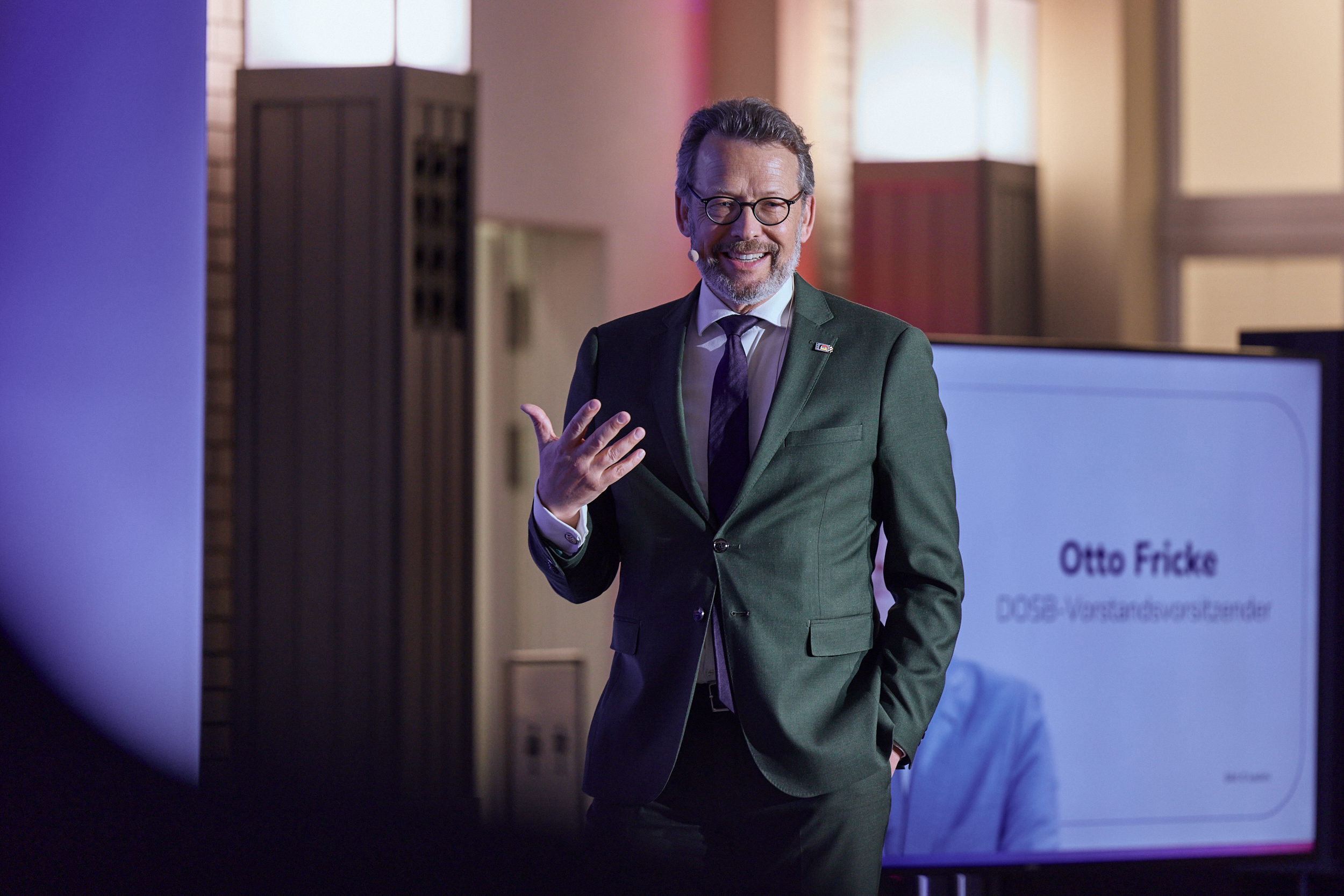
In the evening, the exchange continued at the traditional “parliamentary evening” in the FAZ Atrium. There, Otto Fricke, Chairman of the Board of the German Olympic Sports Confederation, spoke about the chances of a German bid for the Olympic and Paralympic Games. He pointed out that for the first time there was a measurably high level of approval for the Olympic Games in Germany in all candidate regions. For the hospitality world, such major events could provide considerable economic growth impetus – through additional demand, international visibility and long-term effects for the location, including infrastructure. Fricke therefore solicited support from the business community for the project.