At an online press conference on 21 September 2026, the experts listed below made the following statements on the current development of the light industrial real estate market.
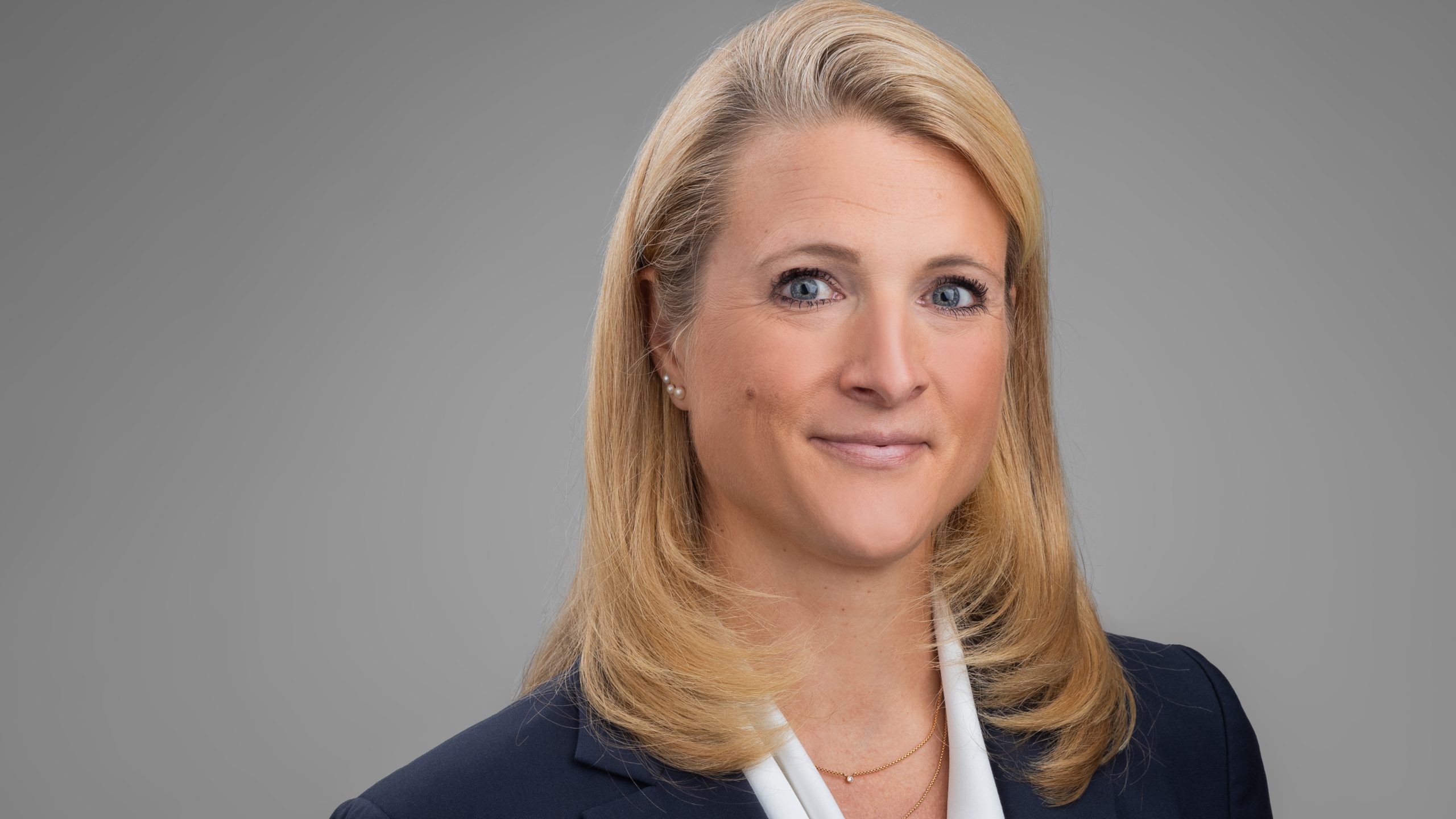
Sarina Schekahn, Head of Industrial & Logistics Leasing at CBRE
“Light Industrial is proving to be extremely robust even in the difficult economic environment. The broad user base from production and trade to e-commerce, urban logistics and even indoor sports facilities ensures stable demand and makes the segment more resilient to weaknesses in individual industries.”
“The biggest challenge at the moment is not demand, but the lack of supply of modern, suitable space. Especially in urban locations, commercial space is increasingly competing with residential, data centers and other uses. If we take economic resilience and security of supply seriously, we need to secure commercial space more strategically.”
“Reindustrialisation, more stable supply chains, electrification, digitalisation and AI will continue to drive demand for light industrial space. At the same time, modernising the portfolio remains a key task – ESG has by no means disappeared.”
Alexander Fieback, Head of Office and Commercial Real Estate at bulwiengesa
“The light industrial investment market is picking up again. The segment is more stable than many other real estate classes because the decline is mainly cyclical and less structural. Business parks remain a key anchor of stability.”
“The revival in the investment market is much more selective than in the boom years. Investors today pay very close attention to location, property quality, tenant structure and third-party usability. Business parks in particular can score points here with risk diversification and portfolio stability.”
“The boundaries between production, warehouse, office and research are becoming increasingly blurred. This is precisely one of the strengths of Light Industrial: business parks can flexibly absorb new requirements from test areas to robotics and thus adapt to the change in the economy.”
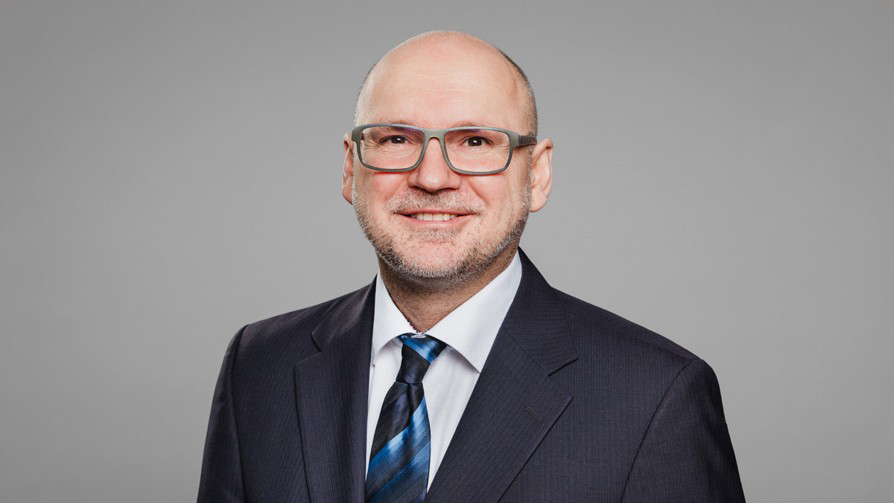
Daniel Busch, Chief Operating Officer at CTP Invest Germany
“We see a significant revival in demand in the second half of the year. It is particularly interesting that some companies are already securing larger space than they currently need – because they expect further growth and want to remain flexible at the location.”
“Electricity availability has become a real locational advantage. With brownfields, we are now looking very closely at what connection capacities are available and how photovoltaics, storage and other solutions can be combined to form an intelligent energy ecosystem for users.”
“Light Industrial is not a short-term development case. Brownfields in urban locations need capital, planning and continuous development into a functioning business park. On the other hand, we see stable prospects for such locations not only for the next four or five, but also for the next ten to 20 years.”

Michael Kapler, Member of the Management Board of BEOS AG + Head Portfolio Management Swiss Life Asset Managers in Germany
“The demand for light industrial space today comes from significantly more industries than it did just a few years ago. In addition to traditional businesses, we are increasingly seeing life sciences, defense, robotics and new leisure and sports concepts. This broad user base makes the segment more resilient to economic fluctuations.”
“In the future, the value contribution of a property will no longer be measured solely by ongoing operations. The entire life cycle assessment will be decisive – including the resources and energy that are already tied up in the portfolio.”
“Unlike in many other segments, owners of light industrial properties can still create immediate value through active asset management. This makes the asset class particularly interesting for institutional investors.”
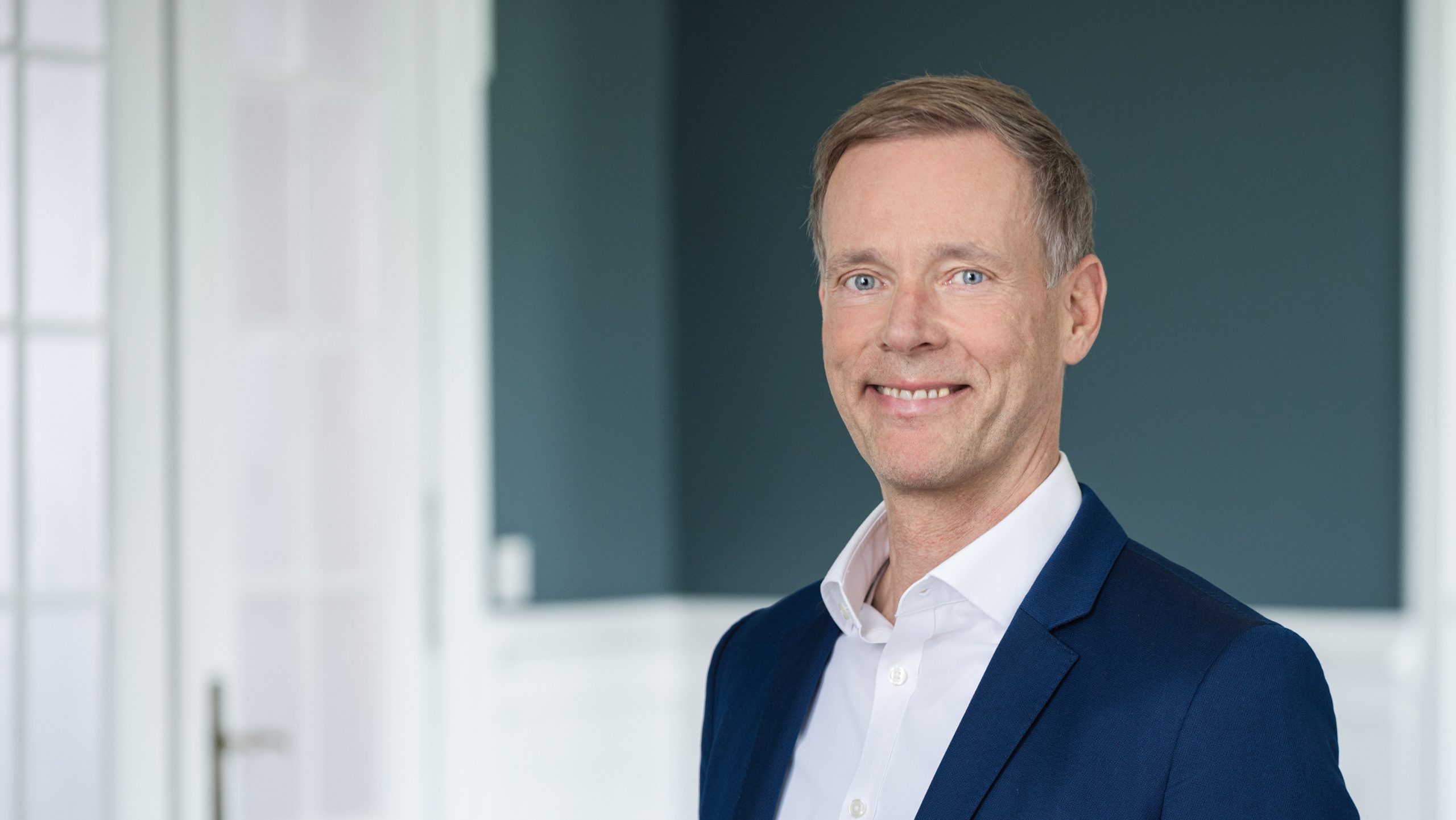
Dr. Karim Rochdi, Founder & Managing Partner of AVENTOS
“The past few years have confirmed the resilience of Light Industrial. The rental markets continue to function, the transaction market remains fundamentally functional despite declines, and the broad user structure ensures that the space finds buyers even in a difficult market environment.”
“In the case of high electricity demands, we are now talking about lead times of several years. Properties that already have the corresponding connection capacities therefore have a considerable competitive advantage – especially for electricity-intensive users.”
“Light industrial is a labour-intensive asset class. Success is achieved by those who deal intensively with the individual properties, understand the needs of the users and develop the right products from them. Especially in a more demanding market, active asset management thus becomes a decisive success factor.”