ASSETPHYSICS LOGO
ASSETPHYSICS LOGO
    • EN
    • DE
    EN
    • DE
    ASSETPHYSICS LOGO
    • Statements
    • Deals
    • Cooperations
    • Developments
    • Dynamics
    • Markets
    • Cases
    • Regulatory
    • Real Estate
    • Energy
    • Infrastructure
    • Private Equity
    • Private Debt
    • Our authors
      • Our Authors
      • You want to publish as an author on ASSETPHYSICS?
    ASSETPHYSICS LOGO
    • About the hub
    • Real Assets
    • Contact
    • Newsletter
    • Privacy Policy
    • Terms
    • Imprint

    This article is translated automatically.

    AnalysisQuarterlyReport
    Oct 5, 2026

    Residential investment market: Large-scale transactions provide fresh impetus

    Colliersby Colliers
    Share
    LinkedInXingInstagramEmail
    Copied!
    Save
    Like0
    MarketsReal Estate
    Residential investment market: Large-scale transactions provide fresh impetus
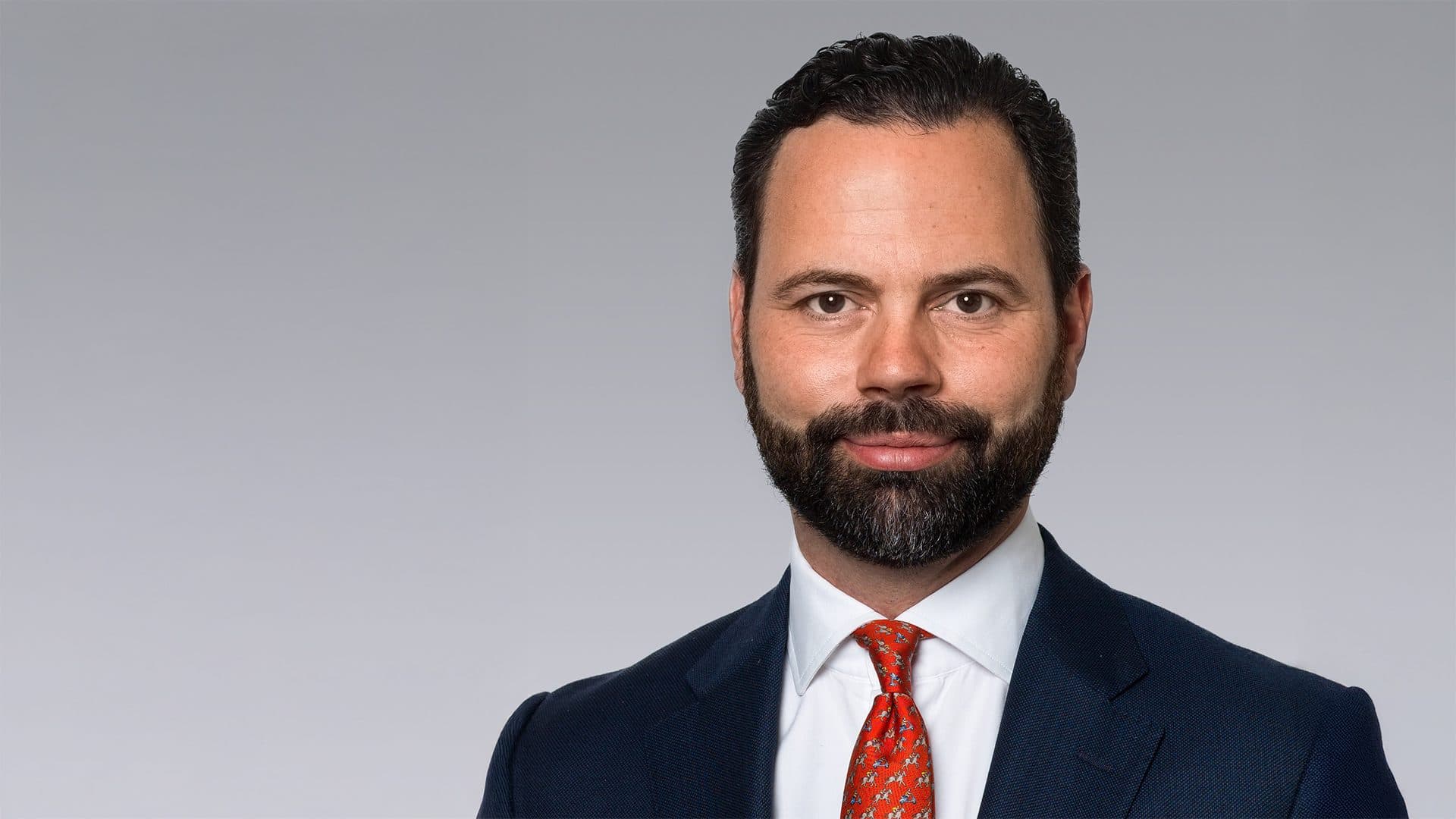
    Florian Tack, Head of Residential Germany bei Colliers. Bildquelle: Colliers

    The German residential investment market remained selective in the third quarter of 2026, whilst at the same time showing greater breadth than in the first half of the year. In addition to stable activity in the mid-sized segment, several large-scale transactions were once again completed. According to Colliers, transactions totalling around €6.1 billion were recorded in the first nine months of the year. This represents a 7 per cent decline compared with the same period last year. In the third quarter, transactions totalling around €1.9 billion were completed. This figure was slightly lower than in the two previous quarters, but confirms the relatively constant level of activity seen since the start of the year.

    Portfolio transactions continued to gain in importance in the third quarter. With a volume of around 1.1 billion euros, block sales accounted for 58 per cent of the quarterly result. In the first quarter, the portfolio share had stood at 23 per cent, rising to 50 per cent in the second quarter. Over the first nine months, block sales achieved a market share of 43 per cent, which was almost on a par with the previous year’s level.

    Individual major deals are providing impetus, but remain below the previous year’s level

    Among the largest transactions in the third quarter were the acquisition of the Highground Living portfolio by H.I.G. Capital for around 400 million euros and the acquisition of the Polarlicht portfolio by Net Zero Properties from DWS for around 350 million euros. One of the most significant individual transactions of the quarter was the acquisition of the “Wohnen am Bärenpark” residential development by Empira from Deutsche Asset One for around 100 million euros.

    Large-scale transactions worth over 100 million euros reached a total volume of around 1.7 billion euros in the first three quarters of 2026, accounting for 28 per cent of the market. In the same period of the previous year, their share stood at 40 per cent. Market activity is thus spread across a larger number of investment opportunities. Whilst large-scale transactions continue to place high demands on financing and pricing, medium-sized deals are often easier to complete under current market conditions.

    MarketsReal Estate
    Share
    LinkedInXingInstagramEmail
    Copied!

    Transactions of medium size continue to drive the market

    The breakdown of transaction sizes highlights the continued significance of medium-sized transactions in the German residential investment market. With a transaction volume of around 2.3 billion euros – representing 38 per cent of the total market – the 15 to 50 million euro bracket once again proved to be the strongest market segment. A further 20 per cent of the transaction volume was accounted for by transactions between 50 and 100 million euros.

    This trend underlines the continued importance of financial viability and risk management from the investors’ perspective. Medium-sized transactions in particular currently offer attractive opportunities for diversification and, under the existing conditions, are often easier to execute than large-scale acquisitions. At the same time, the larger portfolio and individual transactions in the third quarter have shown that larger deals can once again be completed, provided that asking prices, financing and product quality are all aligned.

    Top 7 cities gain in importance in a nine-month comparison

    Whilst the top seven cities accounted for 56 per cent of the transaction volume in each of the first two quarters, activity shifted more significantly to other locations in the third quarter. With a transaction volume of around 568 million euros, the seven largest cities accounted for 30 per cent of the quarterly volume. Compared with the second quarter, the volume in these cities halved. Outside the top seven, however, around €1.3 billion was transacted in the third quarter. So far this year, however, the top seven cities have gained significantly in importance compared with the same period last year. The transaction volume recorded there rose by 41 per cent to around €2.9 billion. Their share of the total market thus rose to 48 per cent (32 per cent in the same period last year). Berlin once again led the ranking by a considerable margin with around 1.6 billion euros, followed by Hamburg with around 419 million euros and Munich with around 302 million euros.

    This trend highlights institutional investors’ continued preference for liquid core markets. Particularly under the current financing conditions, major cities benefit from their market transparency, high fungibility and stable long-term demand base.

    Predictable cash flows determine investment decisions

    So far this year, demand has centred on residential portfolios in established locations with stable and predictable cash flows. New-build and project developments were particularly attractive for transactions where pricing took account of the changed financing conditions. On the buyer side, wealth managers and asset and fund managers dominated, accounting for 34 per cent of the transaction volume. These were followed by housing companies and housing associations with 25 per cent, and project developers and property developers with 14 per cent. On the seller side, project developers and property developers continued to represent the largest market group, accounting for 26 per cent. They were followed by private investors and family offices, as well as asset managers, each with a market share of around 15 per cent.

    Prime yields continue to rise

    The challenging financing environment and the continued high level of risk aversion amongst many market participants continue to influence pricing in the market. Prime yields for recently acquired properties in the top seven cities rose slightly again in the third quarter to 4.25 per cent. Outside the major cities, yields remained stable at 4.8 per cent compared with the previous quarter. As long as financing costs remain high and investors remain selective in their pricing, further slight increases in yields cannot be ruled out.

    Florian Tack, Head of Residential Germany at Colliers, comments: “The residential investment market showed the first signs of broader market activity in the third quarter. Alongside mid-range transactions, which continue to drive the market, several larger portfolios were once again successfully placed. This confirms our assessment from the first half of the year that larger transactions are in the pipeline. At the same time, investors remain selective. Stable cash flows, high-quality properties and pricing that takes the current financing environment into account are crucial.”

    Rent growth continues to slow

    The slowdown in rent growth observed since the start of the year for the re-letting of existing flats continued into the third quarter. Compared with the same period last year, average rents for new tenancies in the top seven cities rose by 1.5 per cent. At the mid-year point, growth had still stood at 2 per cent. The average rent for new tenancies in existing flats most recently stood at 16.65 euros per square metre. This comparatively weak performance is largely attributable to Berlin. With rents falling by 1.3 per cent, Berlin had a dampening effect on the trend in average rents, thus diverging from the trend in the other Top 7 markets. Excluding Berlin, average rent growth in the remaining Top 7 cities reached 2.2 per cent. The strongest growth was recorded in Düsseldorf at 3.5 per cent and Hamburg at 3 per cent, followed by Cologne at 2.6 per cent and Frankfurt at 2.5 per cent. The momentum of prime rents also slowed. In the third quarter, these fell slightly and stood at an average of 24.05 euros per square metre. Compared with the same period last year, this represents an increase of 0.5 per cent.

    However, the structural imbalance between supply and demand remains unchanged. The ongoing housing shortage continues to ensure that the residential sector remains highly attractive in terms of both occupancy and investment.

    Francesca Boucard, Head of Market Intelligence & Foresight at Colliers, adds: “The slowdown in rent growth is primarily a short-term market trend. The key factor remains that the number of new homes being completed still does not meet the additional demand. As long as this does not change, the structural imbalance between supply and demand will persist.”

    Outlook: A substantial capital pipeline points to further market potential

    The discrepancy between available liquidity and completed transactions shows that, at present, it is not so much investor appetite as financing, pricing and economic feasibility that determine whether transactions are successfully concluded. However, developments in the third quarter show that, alongside small and medium-sized deals, large portfolio transactions are once again able to make a more significant contribution to market activity. This essentially opens up the possibility of broader market activity as the year progresses.

    Florian Tack, Head of Residential Germany at Colliers, adds: “The substantial capital pipeline is a clear indication of the attractiveness of the German residential investment market. There are currently new capital commitments totalling around 8.4 billion euros, which have been secured since 2022. A large proportion of this capital has only been raised since 2025 and is currently awaiting suitable investment opportunities. Furthermore, further large-scale transactions are in the pipeline for the current year. As soon as financing, pricing and the market environment stabilise further, this liquidity is likely to increasingly translate into concrete transactions.”

    A transaction volume of around 8 billion euros appears achievable for the year as a whole. For this to happen, the fourth quarter would need to achieve a volume of around 1.9 billion euros, comparable to that of the third quarter. The decisive factor will be what proportion of the larger transactions currently in the pipeline can be finalised by the end of the year.

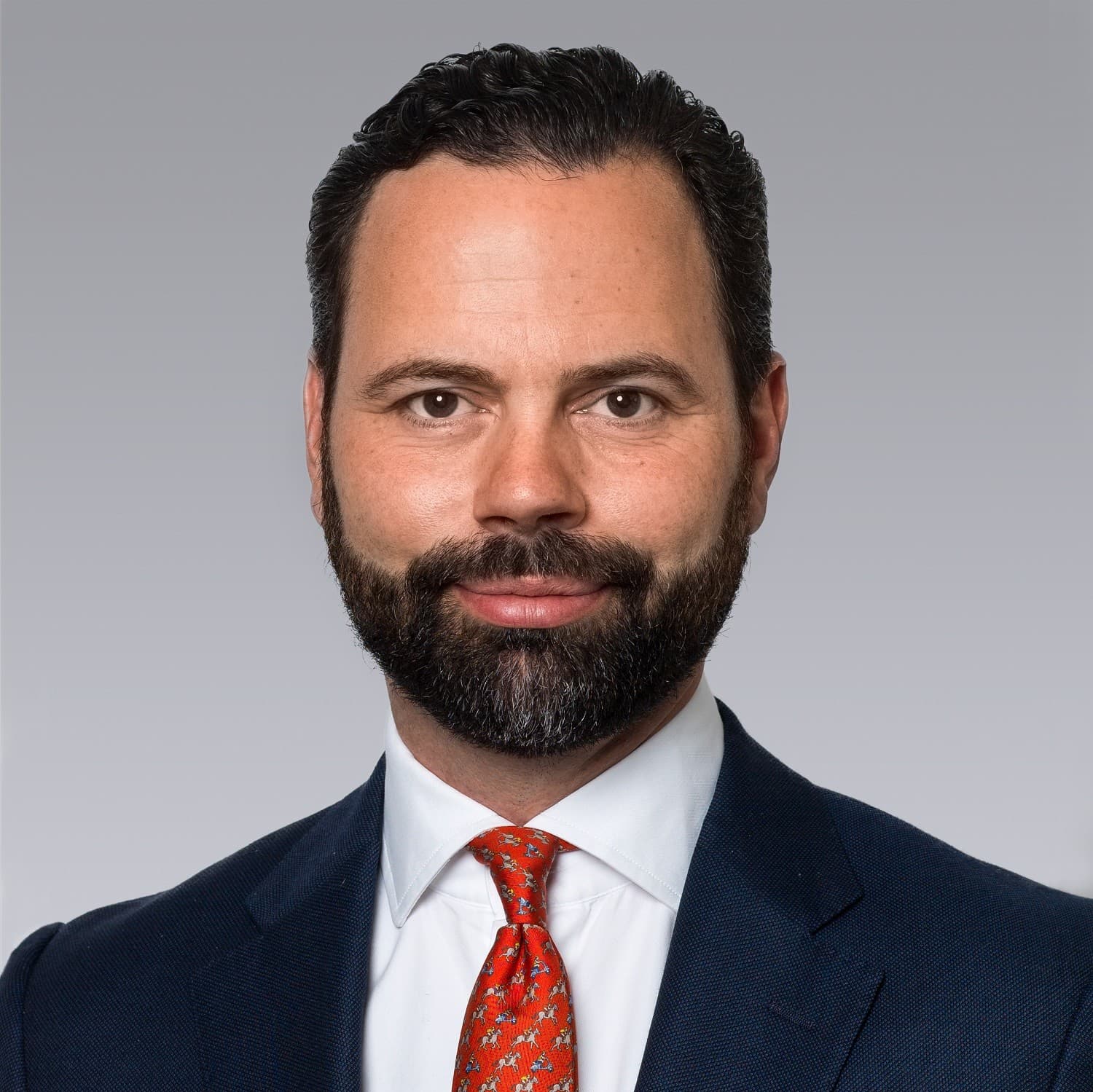
    Porträt von Florian Tack, Head of Residential Germany bei Colliers
    Florian Tack, Head of Residential Germany bei Colliers. Bildquelle: Colliers
    Portrait von Francesca Boucard, Head of Market Intelligence & Foresight bei Colliers
    Francesca Boucard, Head of Market Intelligence & Foresight bei Colliers. Bildquelle: Colliers

    #Newsletter: Stay up to date!

    Sign up for our newsletter and receive regular updates on the latest topics.

    Register now

    Related posts

    News

    DIP analyzes moderate sales activity in the German market for real estate investments.

    In 2025, the German real estate investment market generated a cash turnover of around 33.1 billion euros, which is about 5% below the previous year's figure. Prime yields rose slightly by 10 basis points in most asset classes. For 2026, DIP expects a slight revival in investment activity, with a projected investment volume of around 35 billion euros.

    Markets
    Lübke Kelber brokers residential complex "Haus am Römerberg" in Mainz-Weisenau to AMADEUS Group
    News

    Lübke Kelber brokers residential complex "Haus am Römerberg" in Mainz-Weisenau to AMADEUS Group

    Lübke Kelber has successfully brokered the residential complex "Haus am Römerberg" to the AMADEUS Group from Limburg. The residential complex comprises 168 units in Mainz-Weisenau. The purchase price remains confidential.

    DealsReal Estate
    Panattoni Park Mainz Süd fully let: Coating Concepts moves into new production space
    News

    Panattoni Park Mainz Süd fully let: Coating Concepts moves into new production space

    Panattoni has fully let Panattoni Park Mainz Süd before completion in August. Coating Concepts uses around 9,400 m² of logistics, office and mezzanine space and creates 140 jobs. DGNB Gold certification, PV and heat pump are planned; direct connection to A63/A61.

    DealsReal Estate
    Upward trend discernible: hotel investment revenue up 5% year-on-year
    QuarterlyReport

    Upward trend discernible: hotel investment revenue up 5% year-on-year

    For 2024, an investment volume of around €1.4 billion was registered for the German hotel investment market. Although the long-term average was missed, an increasing market momentum was nevertheless observed over the course of the year.

    MarketsReal Estate