Evaluating nursing homes: Which criteria are really decisive when selecting sustainable investments
Nursing homes are often classified as a relatively stable capital investment. In view of demographic change, this assessment is understandable. Nevertheless, market developments in recent years show that rising demand alone is no guarantee of a viable investment.
Anyone who wants to invest in a nursing home should therefore not rely solely on the increasing demand for nursing places or attractive return prospects. The quality of the location, the economic stability of the operator, the structural quality and the contractual design must also be examined. Only their interaction forms a reliable basis for a long-term investment decision.
At the beginning of every well-founded analysis there is a detailed assessment of the location. A professional social market analysis takes into account, among other things, the existing supply structure, the surrounding buildings, the connection to public transport and the digital infrastructure. In addition, the demographic development in the catchment area, the competitive situation, the regional labour market situation and, above all, the availability of qualified nurses on site play a central role. This is the only way to assess the long-term capacity of a care facility and to identify any risks at an early stage.
At least as important as the location is the selection of the operator. After all, he is responsible for the economic operation of the facility, the recruitment of staff and a permanently high occupancy rate. Thus, the long-term stability of the lease payments also depends to a large extent on its performance.
As part of an operator audit, the creditworthiness, the economic key figures, the management experience, the portfolio, the regional presence, the personnel structure, the ESG criteria and the strategic orientation are therefore analyzed, among other things.
In addition, the lease agreement should also be evaluated in detail. For example, the amount of the rent and the capacity utilisation required for economic operation must be taken into account. Such analyses are usually carried out by specialized consulting firms and social market experts.
Operators with a low equity base, a diffuse location structure or an expansion strategy that is disproportionately dynamic in relation to the size of the company deserve special attention. Additional collateral can be provided by letters of comfort from financially strong parent companies. It also speaks in favour of an operator if he already successfully operates several facilities within a region – a so-called cluster – and can thus use operational synergies.
In addition to the location and the operator, the contractual structure also determines the quality of the investment. Long-term lease agreements with terms of at least 20 years ensure a high level of planning security. Another advantage is contract models in which the operator takes over essential parts of the technical maintenance. This reduces the administrative effort on the owner side and makes the running costs easier to calculate.
Indexation clauses can also help to adjust earnings to general price developments in the long term. Their effect depends on the agreed reference value, the adjustment thresholds and possible limitations. However, it is not only the initial return that is decisive, but the stability of the entire contract. Additional safeguards, such as loss of rent protection in the event of a change of operator, increase investment security.
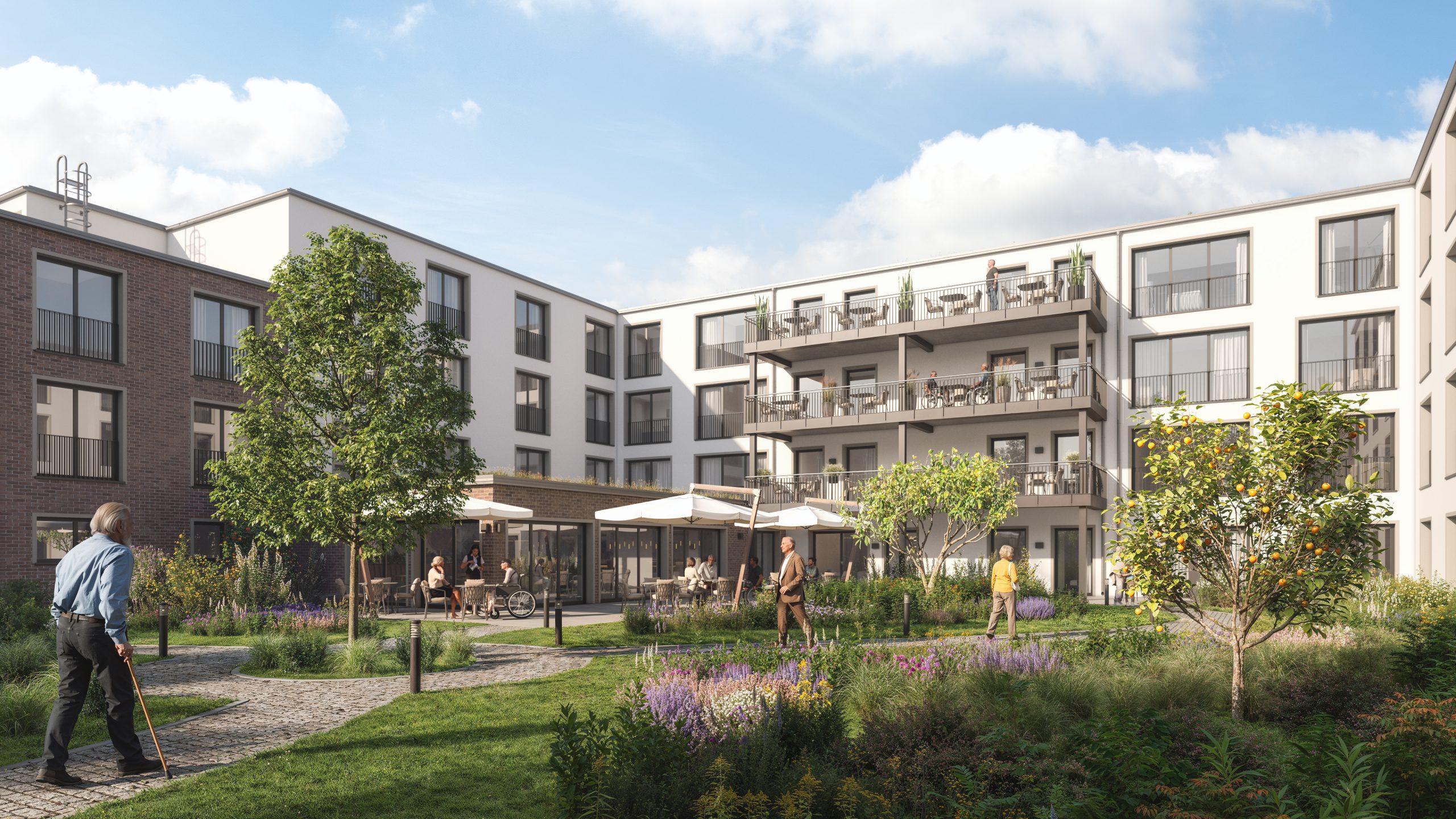
In addition, the structural quality of the property should be evaluated. Existing buildings that no longer meet today’s energy or functional requirements can cause considerable modernization costs in the future. New buildings in accordance with current KfW standards that comply with applicable building and home regulations, on the other hand, offer significantly greater future security. Independent technical reports should therefore examine, among other things, the statics, fire protection, energy efficiency and compliance with all relevant building law requirements.
A complete due diligence also includes other legal and economic aspects. These include, for example, the examination of the declaration of division, the condominium structure and the underlying profitability calculations. In addition, there are long-term earnings forecasts, tax depreciation options and subsidy programs, such as those of the Kreditanstalt für Wiederaufbau (KfW), which should also be part of a comprehensive investment analysis.
After all, careful examination creates long-term security. The past few years have shown that even a structurally growing market must be viewed in a differentiated way, as it is by no means free of risks. Rising construction costs, higher financing costs and changing regulatory requirements have noticeably changed the framework conditions. Only a systematic evaluation creates a sound basis for a reliable risk-reward profile and enables a differentiation between carefully examined and insufficiently analysed properties. Those who consistently take these criteria into account increase the probability that a structurally attractive market will also develop into a viable investment.