
Statement by Philip C. Hetzer, Managing Partner, DAHLER Invest, on the upcoming election in Berlin
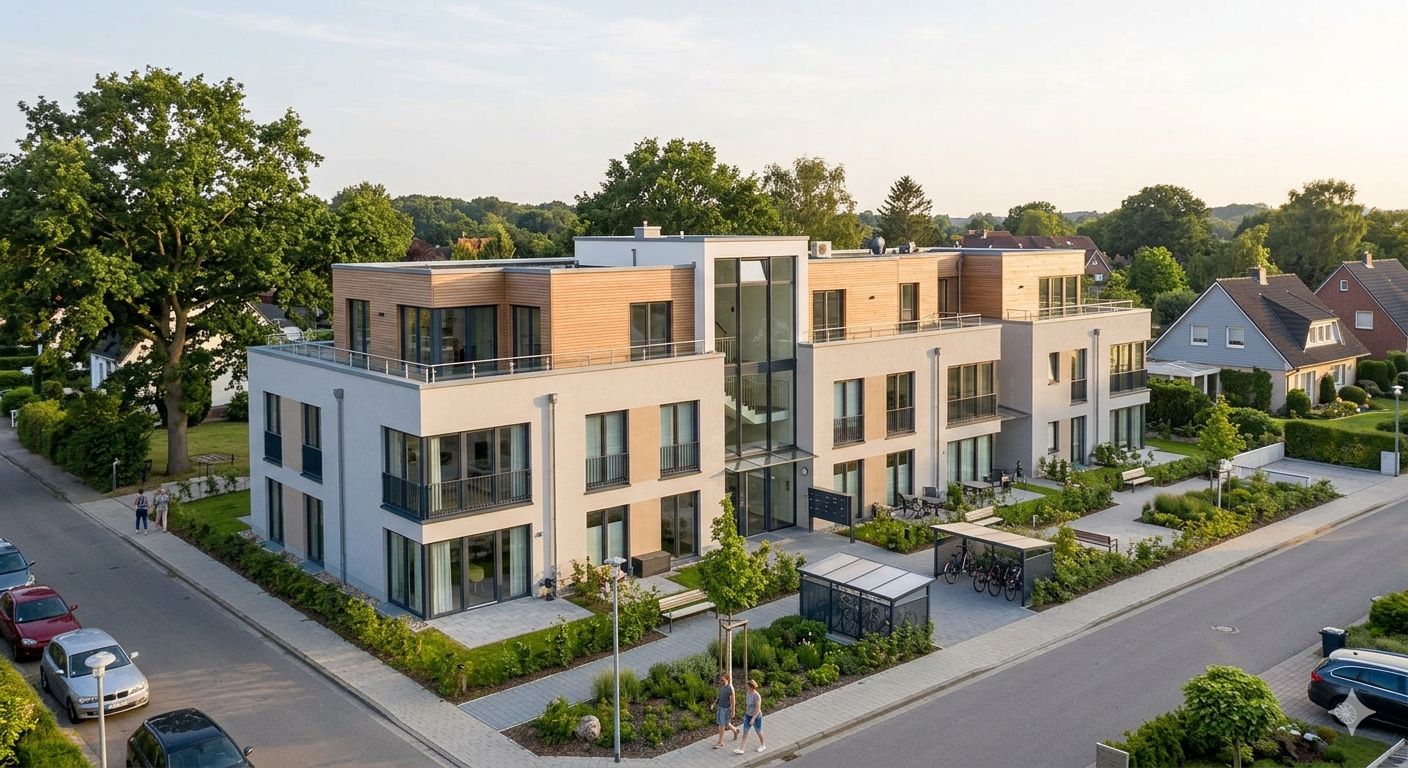
“Instead of spending billions on the socialization of existing housing stocks and thus placing an additional burden on the already strained Berlin budget, politicians should concentrate their efforts on making new housing possible – for tenants and future apartment owners. The public mood also seems to be changing here: While 59 percent voted in favor of socializing large housing stocks in the 2021 referendum, only 37 percent rate it positively and 46 percent rather negatively, according to a recent infratest-dimap survey. However, another point is decisive anyway: The biggest problem of the Berlin housing market is the high rents for new rentals and the growing gap with existing rents as well as the ban on partitioning. In the long term, one thing in particular helps against this: a greater supply through more new construction.
“The discussion about the socialization of housing stocks alone causes banks to calculate a risk premium for projects in Berlin or to keep their distance.
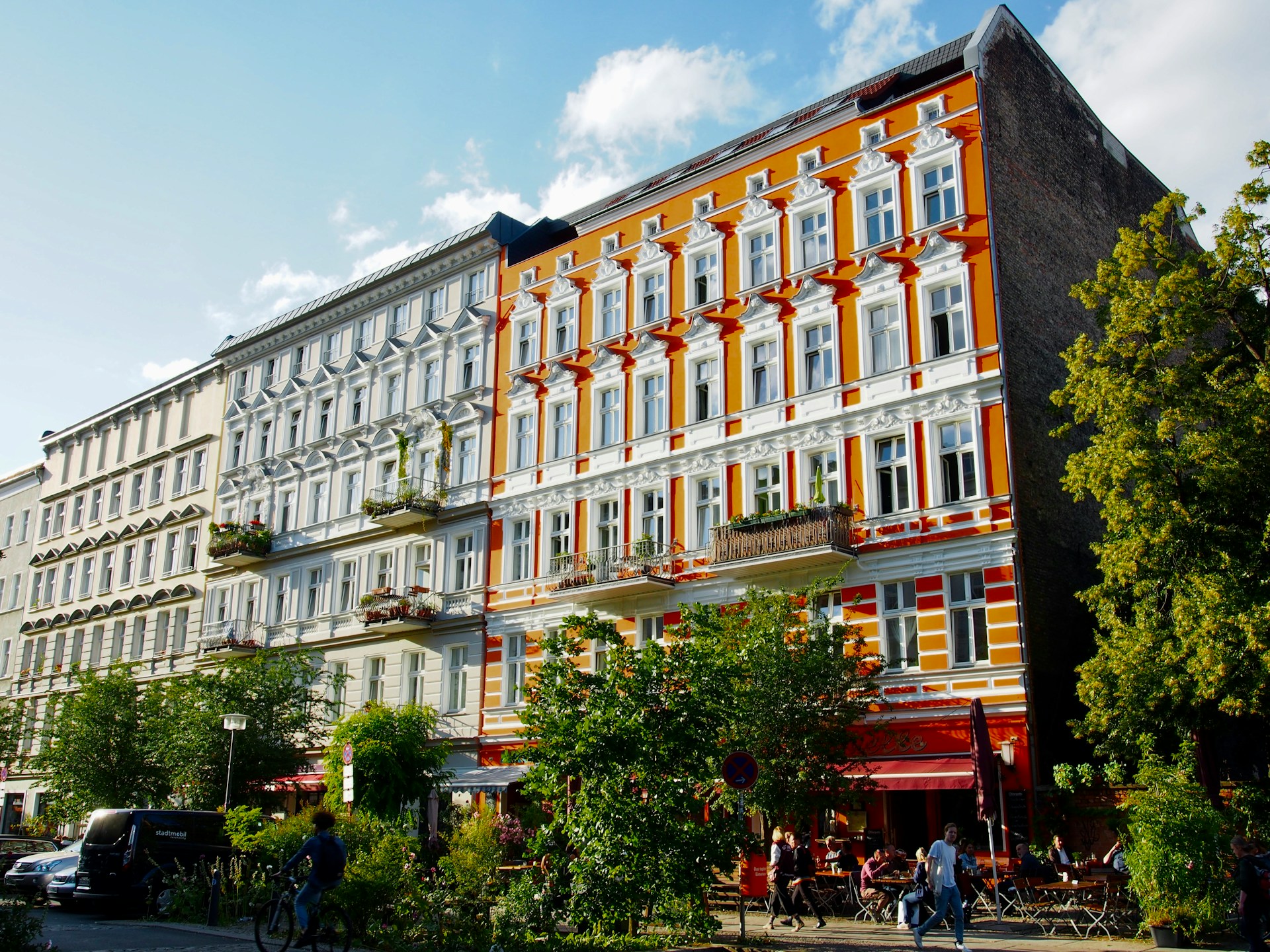
“The political and regulatory uncertainty of recent years can also be seen in the price development for apartment buildings. While prices in other major German cities have already stabilised and recovered more significantly, Berlin is lagging behind this development. Anyone entering the Berlin apartment building market today will therefore find a price level that we have not seen for around ten years. At the same time, the fundamental framework conditions speak in favour of the location: rising existing rents, which are moderate compared to large cities, a persistent shortage of housing and high new construction costs are limiting the additional supply. The outcome of the Berlin election is unlikely to change this in principle. Even if a red-green-red coalition were to initially increase regulatory uncertainty, there will continue to be selective investment opportunities in the Berlin apartment building market. The micro-location, the quality of the portfolio and a realistic assessment of development potential will then be all the more decisive.
Especially in politically and economically turbulent times, the particular strength of residential real estate as stock gold becomes apparent. They act as a cross-generational store of value and offer a certain protection against inflation. Framework conditions can change significantly within a legislative period, but the property remains. Many Berlin apartment buildings have been in existence for more than 100 years and have survived a wide variety of crises and upheavals. Five years of erratic politics therefore do not change the long-term quality of a good investment. The decisive factors are solid substance, the right location, a long-term investment horizon and a good relationship with tenants.”