The PwC and ULI study ‘Emerging Trends in Real Estate Europe 2027’ forecasts a delayed recovery in European property markets. Nevertheless, willingness to invest is on the rise. Munich has moved up to fourth place in the city rankings.
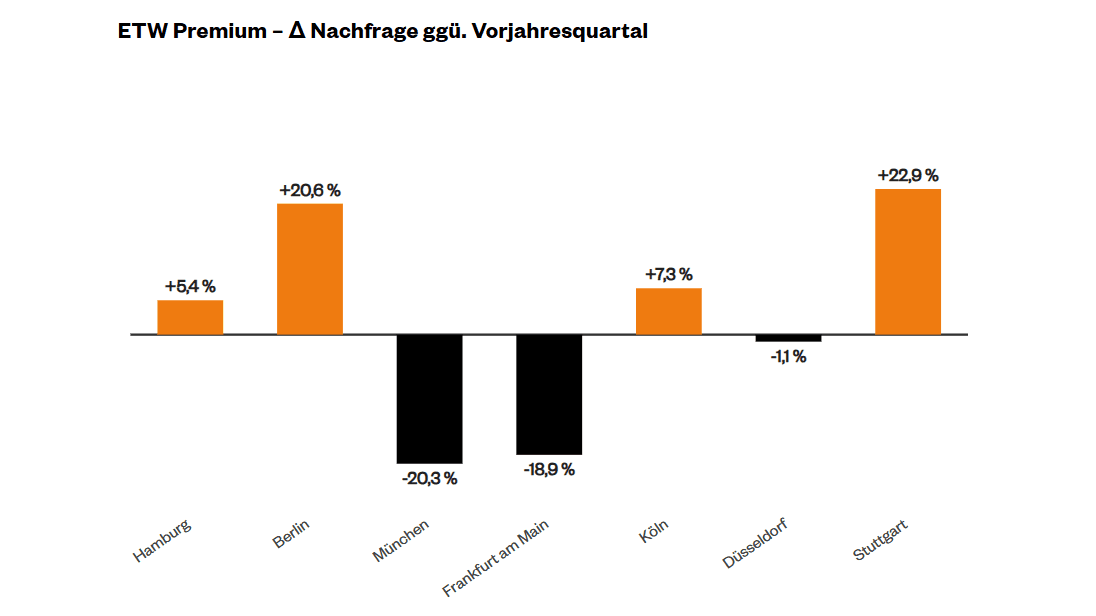
In the third quarter of 2026, demand for premium flats in Germany’s top seven cities rose by 2.6 per cent, whilst demand for premium houses fell by 11.9 per cent. Median asking prices fell by more than seven per cent in both segments.
A global study by Clearwater Analytics involving 250 asset managers shows that investors are demanding more granular, interactive reports; 90 per cent of managers are already providing this. ESG transparency and new technologies are driving this trend. Better reporting helps secure new mandates.
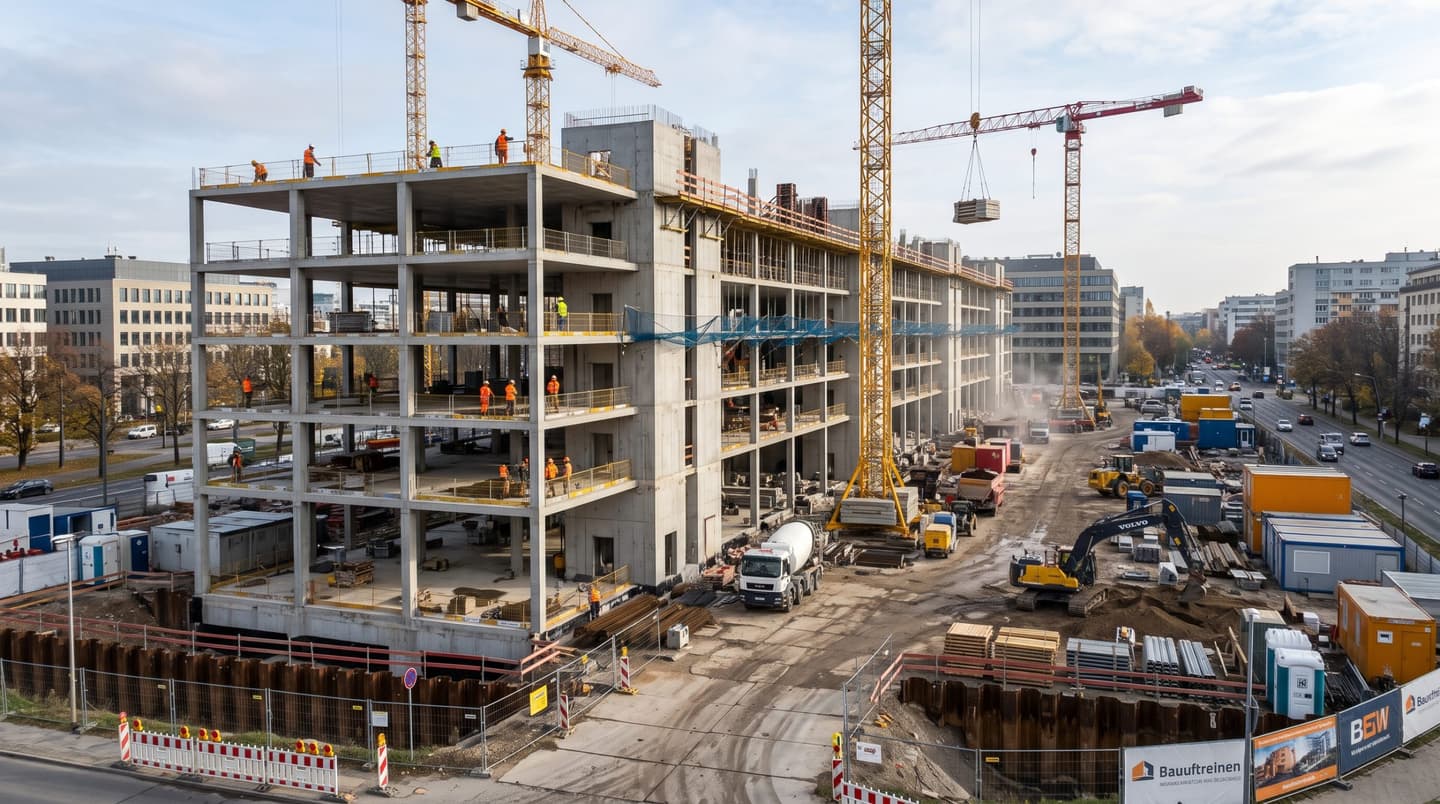
The RICS Global Construction Monitor Q3/2026 reports a slowdown in construction activity across all regions of the world; the CSI has fallen to +4 globally. Lending conditions are deteriorating. In Europe, France is the main drag, whilst Germany ranks second across Europe.
The RICS Global Commercial Property Monitor Q3/2026 reports weaker sentiment worldwide: the CPSI has fallen to -4, driven by the investment side. Lending conditions have slipped into negative territory globally. Germany is at the bottom of the table with a CPSI of -26 and lending conditions at -71 per cent; the majority foresee a downturn.
Savills’ Workthere Flexmark Report 2026 reports a record occupancy rate of 85 per cent for flexible office space; 76 per cent of operators intend to expand. Berlin leads the way in premium rents at USD 936 per workstation, ahead of Munich (USD 850). Larger companies are driving demand.
The HypZert Industry Specialist Group has published the study ‘Data Centres – Insights into a New Asset Class’. It provides an overview of the sector’s distinctive features and valuation requirements. Thanks to AI and the cloud, the market is growing; individual transactions are reaching figures in the hundreds of millions.
Colliers forecasts a 0.6 per cent increase in real retail spending in Germany by 2026, compared with 1.8 per cent across the EMEA region. Germany remains in second place across Europe in terms of transaction volume for retail property. Shopping centres are back in the spotlight following price corrections.
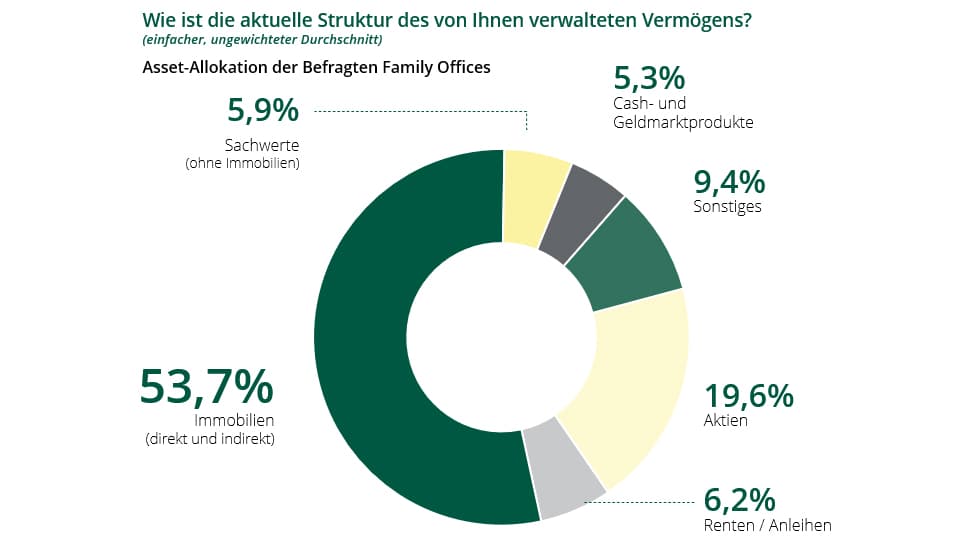
KINGSTONE IM presents the Family Office Real Estate Report 2026. Property remains the largest asset class at 53.7 per cent; the proportion allocated to Germany falls from 88.3 per cent (2025) to 76.5 per cent. Residential property leads the way at 37 per cent, with many planning to increase their investments; allocations to overseas markets in Europe and the US are on the rise.
The UK venture capital (VC) landscape demonstrated resilience during the first three quarters of 2026 compared with the corresponding period in 2025, with total funding value rising by 77% year-on-year (YoY) despite a marginal 1% decline in deal volume, according to GlobalData, a leading intelligence and productivity platform.
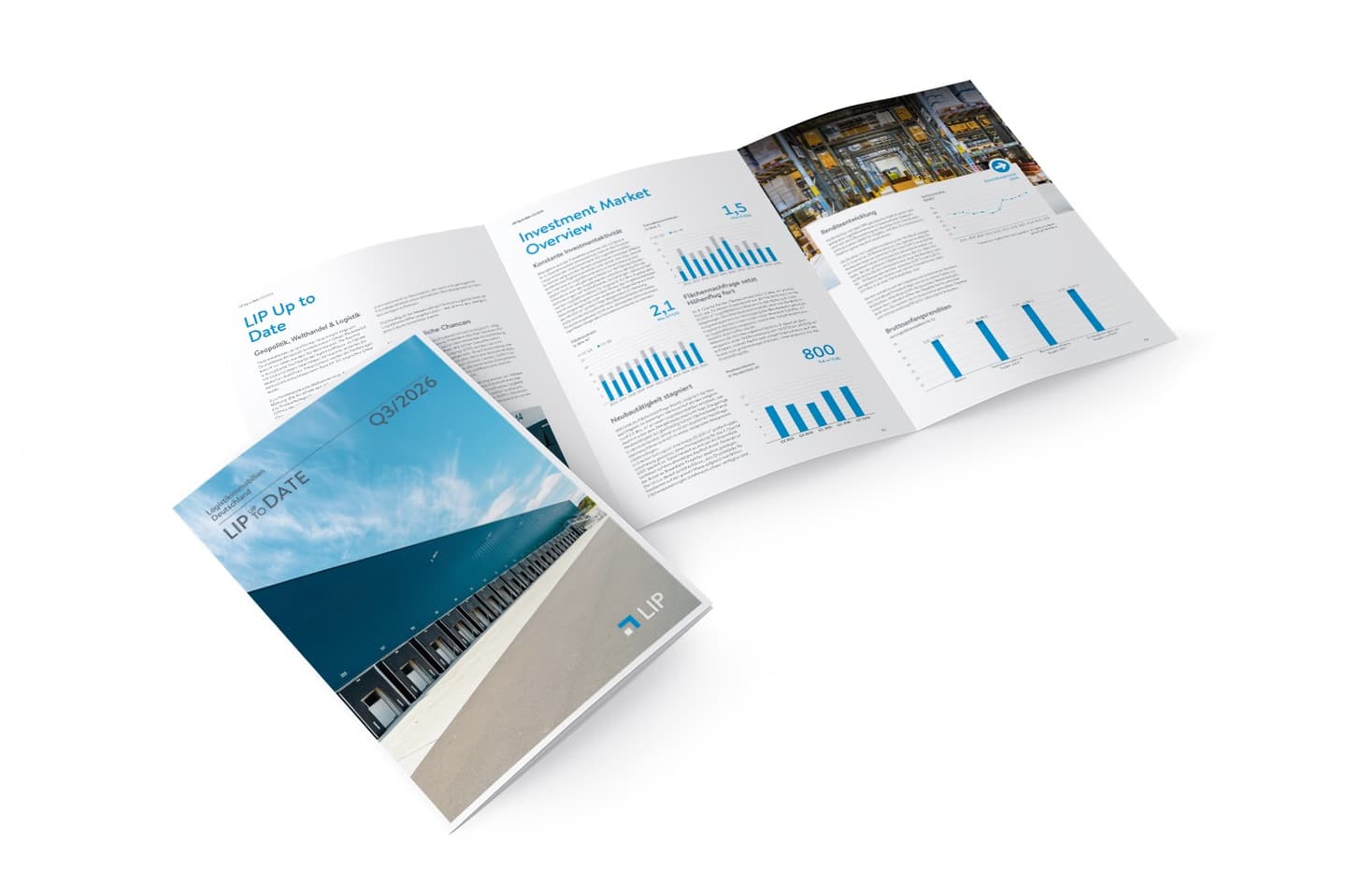
LIP Invest has published the market report “Logistics Property in Germany” for Q3 2026. Yields continue to diverge; +20 basis points for smaller properties, 5.70–6.20 per cent for large assets. Investment volume in Q3: €1.5 billion; strong take-up, weak new-build activity.
India's venture capital market diverged from global trends in Q1–Q3 2026: Deal volume fell by 12%, and total funding decreased by 3% year-over-year. While the U.S. (+161% in value) and China (+212%) saw strong growth, India accounted for 7% of deals but only 1% of the total value.


 Analysis
 Article
 Comment
 Discussion
 Forecast
 Infographic
 Interview
 Monthly
 News
 Podcast
 Quarterly
 Report
 Survey
 Video
 Weekly
 Whitepaper