Infrastructure

The importance of the infrastructure asset class is increasing continuously: transportation, energy and communication projects as well as social infrastructure properties are of great social importance and have a sustained need for capital.

Infrastructure weeklys

Power, power, power instead of location, location, location
CommentWeekly

Power, power, power instead of location, location, location

The AI boom is changing the real estate economy: where grid capacity becomes scarce, secure access to electricity increases in value – and capitalizes on the price of land.

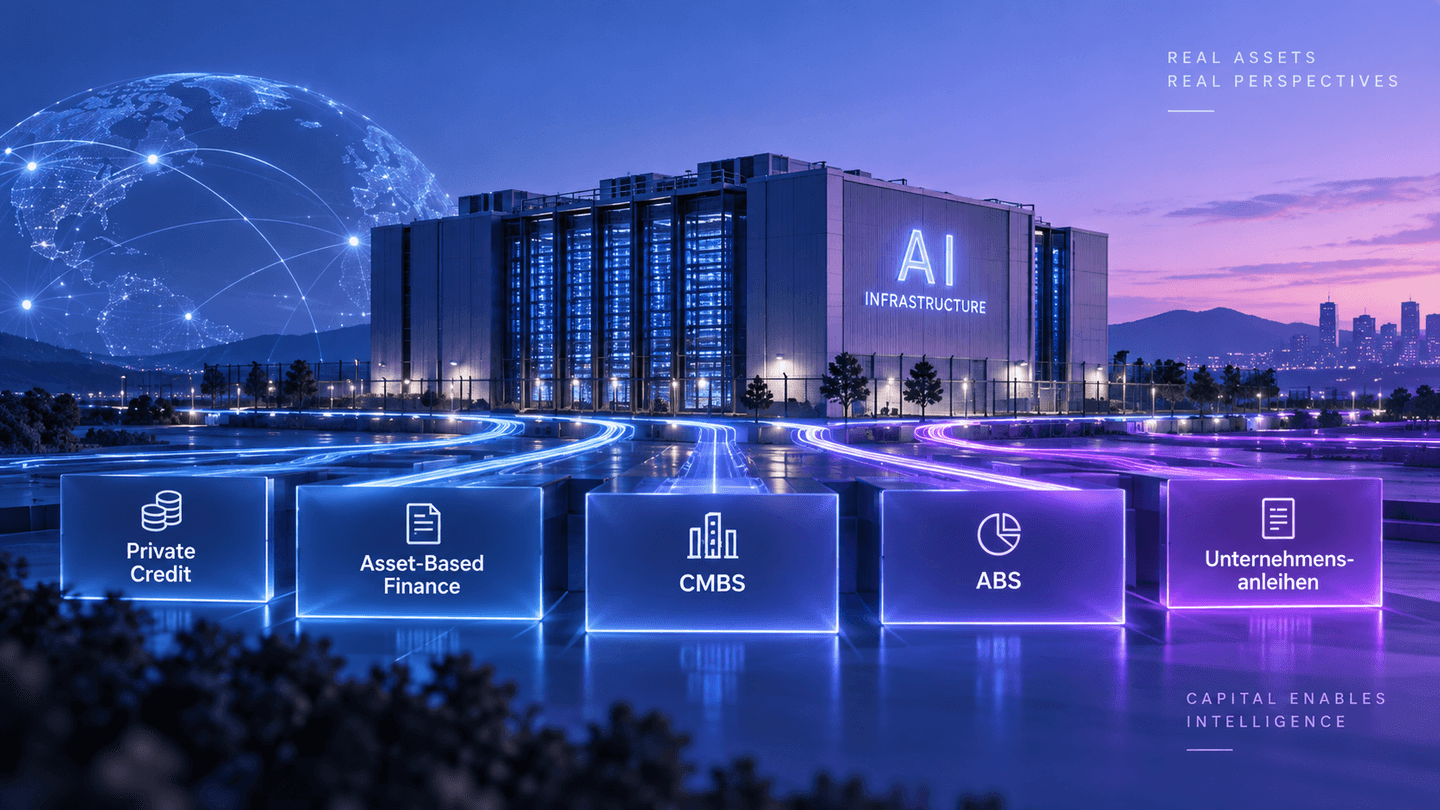
Five asset classes, one data center
ArticleCommentWeekly

Five asset classes, one data center

The AI boom is devouring immense capital for data centers and infrastructure, for example, which is reflected in very different segments of the portfolio. For institutional investors, the question arises as to whether this allocation allows sufficient conclusions to be drawn about the actual risks.

What can private capital do better?
AnalysisWeekly

What can private capital do better?

Germany wants to mobilise up to 3.75 trillion euros of private capital for infrastructure by 2040; international money is available. The added value of private participation lies in risk management, life cycle orientation, speed and capacity – despite higher costs.

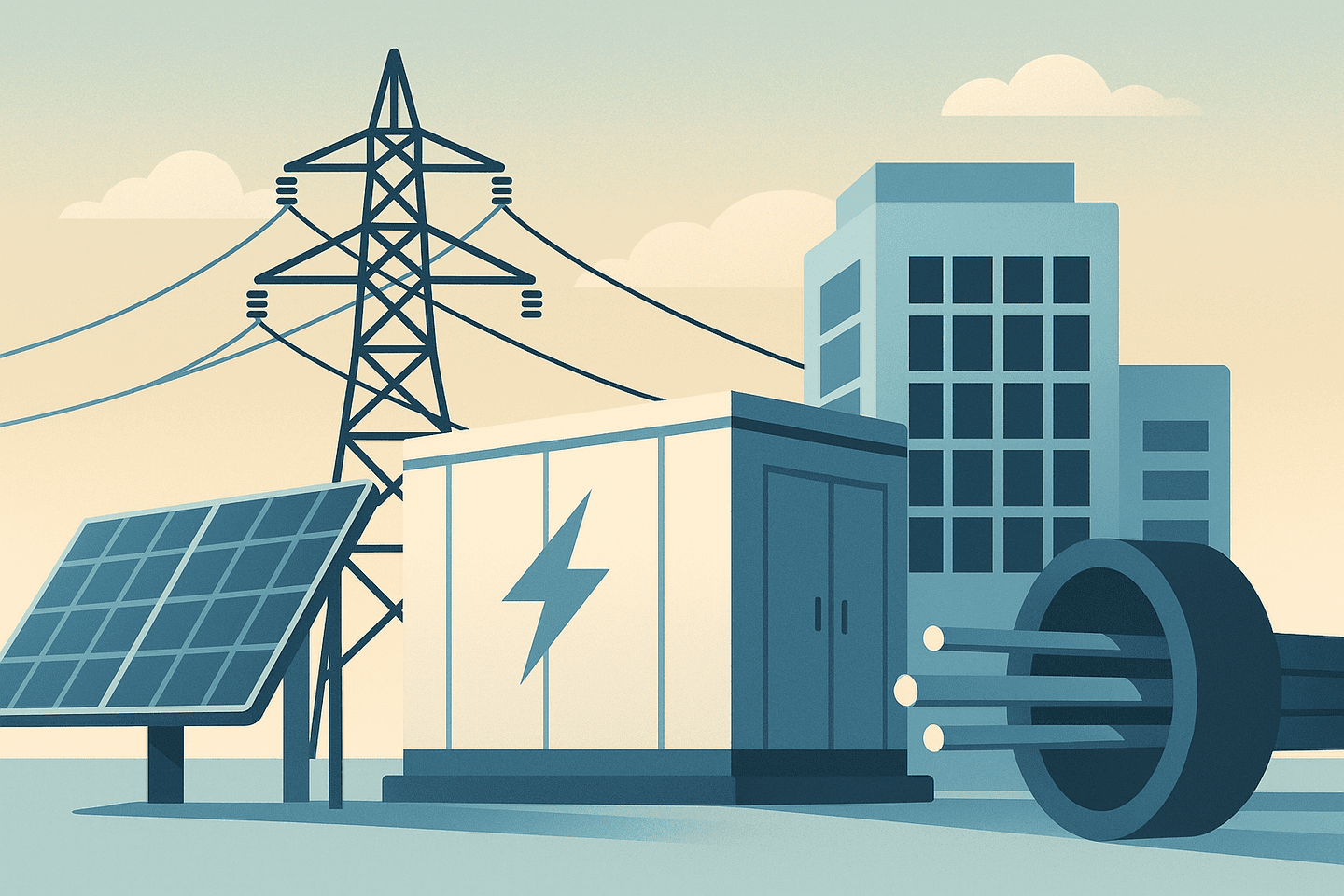
When volatility becomes a business model in infrastructure investments – the example of battery storage
CommentWeekly

When volatility becomes a business model in infrastructure investments – the example of battery storage

Battery storage is currently the most visible proxy for the role of infrastructure shifting for investors. Falling costs, rising electricity demand and volatile energy markets are reinforcing this development.

Infrastructure is no longer boring – and do investors also want excitement?
CommentWeekly

Infrastructure is no longer boring – and do investors also want excitement?

The asset class is changing. Have the expectations of investors done the same?

Infrastructure Investments: The Cat and the Sack
CommentWeekly

Infrastructure Investments: The Cat and the Sack

Why merchant risk is not a flaw, but must be designed

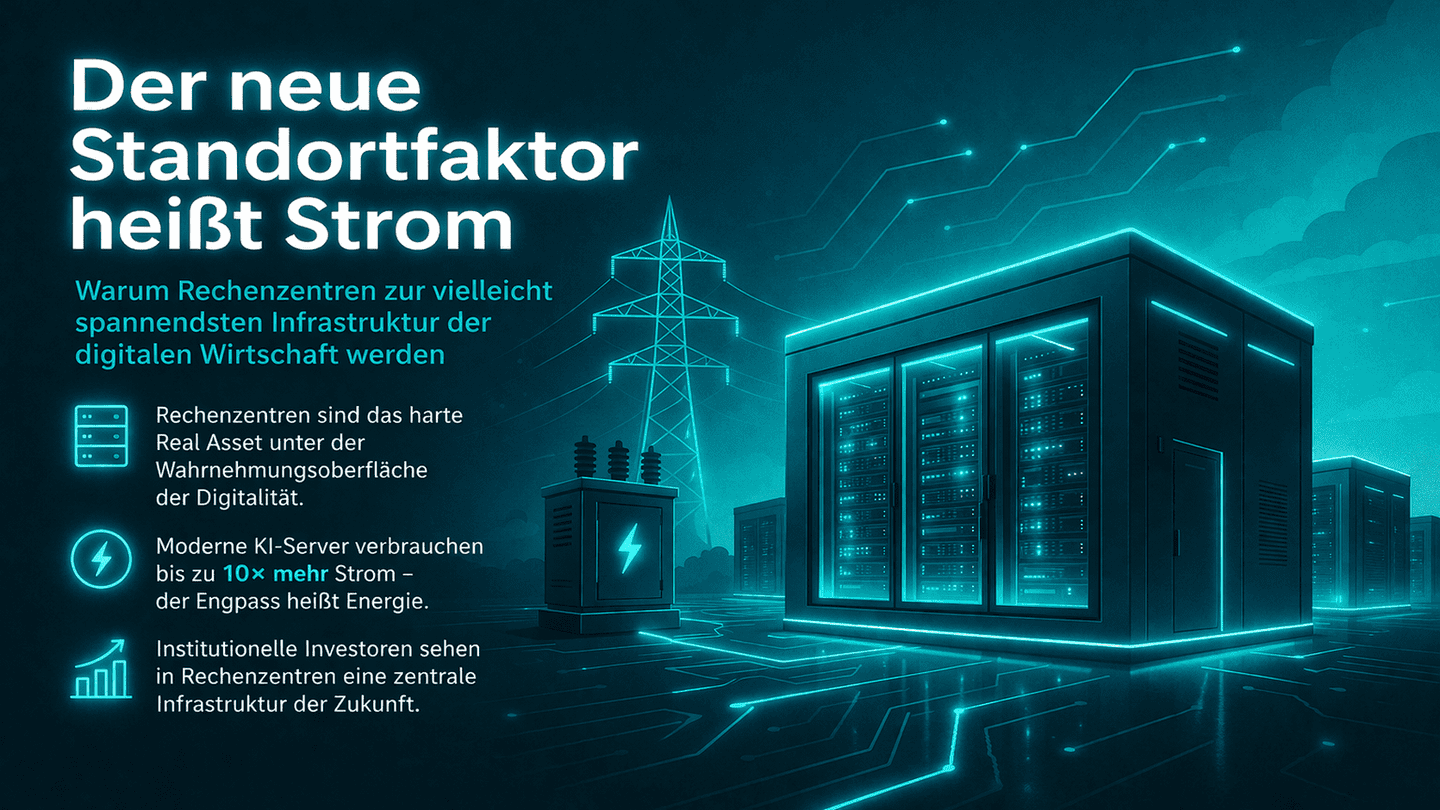
The new location factor is electricity
CommentWeekly

The new location factor is electricity

Why Data Centers Are Becoming Perhaps the Most Exciting Infrastructure of the Digital Economy

Side letters as a place of institutional risk responsibility
ArticleWeekly

Side letters as a place of institutional risk responsibility

Fund contracts are becoming more and more complex. At the same time, central questions of risk and responsibility are shifting: side letters have become the place where institutional investors try to anchor responsibility where it can no longer be clearly regulated in the contract.

Infrastructure Fund: Charging infrastructure for e-mobility
InterviewWeekly

Infrastructure Fund: Charging infrastructure for e-mobility

In an interview with Dr. Andreas Peppel, Tobias Moroni classifies charging infrastructure from an investor's point of view – between structural tailwind and operational complexity.

Decision Logic Infrastructure: Speed, Depth and Filter
CommentWeekly

Decision Logic Infrastructure: Speed, Depth and Filter

Infrastructure remains in place – but in 2026, speed, depth and filters will once again become significantly more important in the investment decisions of institutional investors.

Looking back on 2025: The market is not nervous – it is in the process of restructuring!
CommentWeekly

Looking back on 2025: The market is not nervous – it is in the process of restructuring!

Behind the mood in the institutional fund business, described as market uncertainty, there is actually something else: the tidying up of temporary solutions.

Four reasons why infrastructure AIFs will continue to be the stability component of institutional portfolios in 2026
AnalysisCommentWeekly

Four reasons why infrastructure AIFs will continue to be the stability component of institutional portfolios in 2026

For institutional investors, the weights within real assets are shifting. Real estate remains a central portfolio element, with infrastructure increasingly supplementing it with a stability component.

#Newsletter: Stay up to date!

Sign up for our newsletter and receive regular updates on the latest topics.

Register now