Hamburg is gaining a new piece of large-scale energy infrastructure. Energy tech company Flower has begun construction of its 100 MW / 400 MWh battery energy storage system (BESS) project. The groundbreaking ceremony in Bergedorf, held on September 9, brought together key stakeholders, including Hamburg’s Second Mayor and Senator for Environment Katharina Fegebank, to mark the project’s next phase. The project is expected to become operational by the end of 2028.
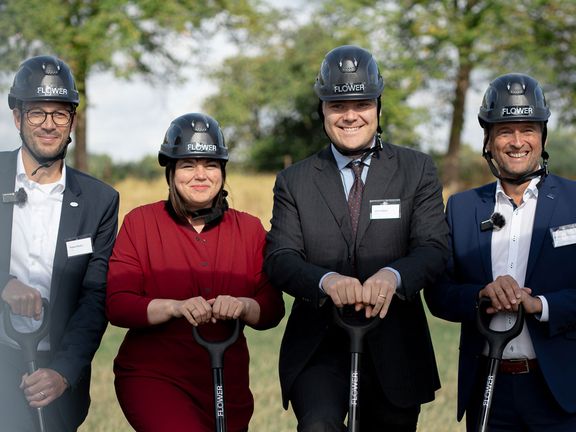
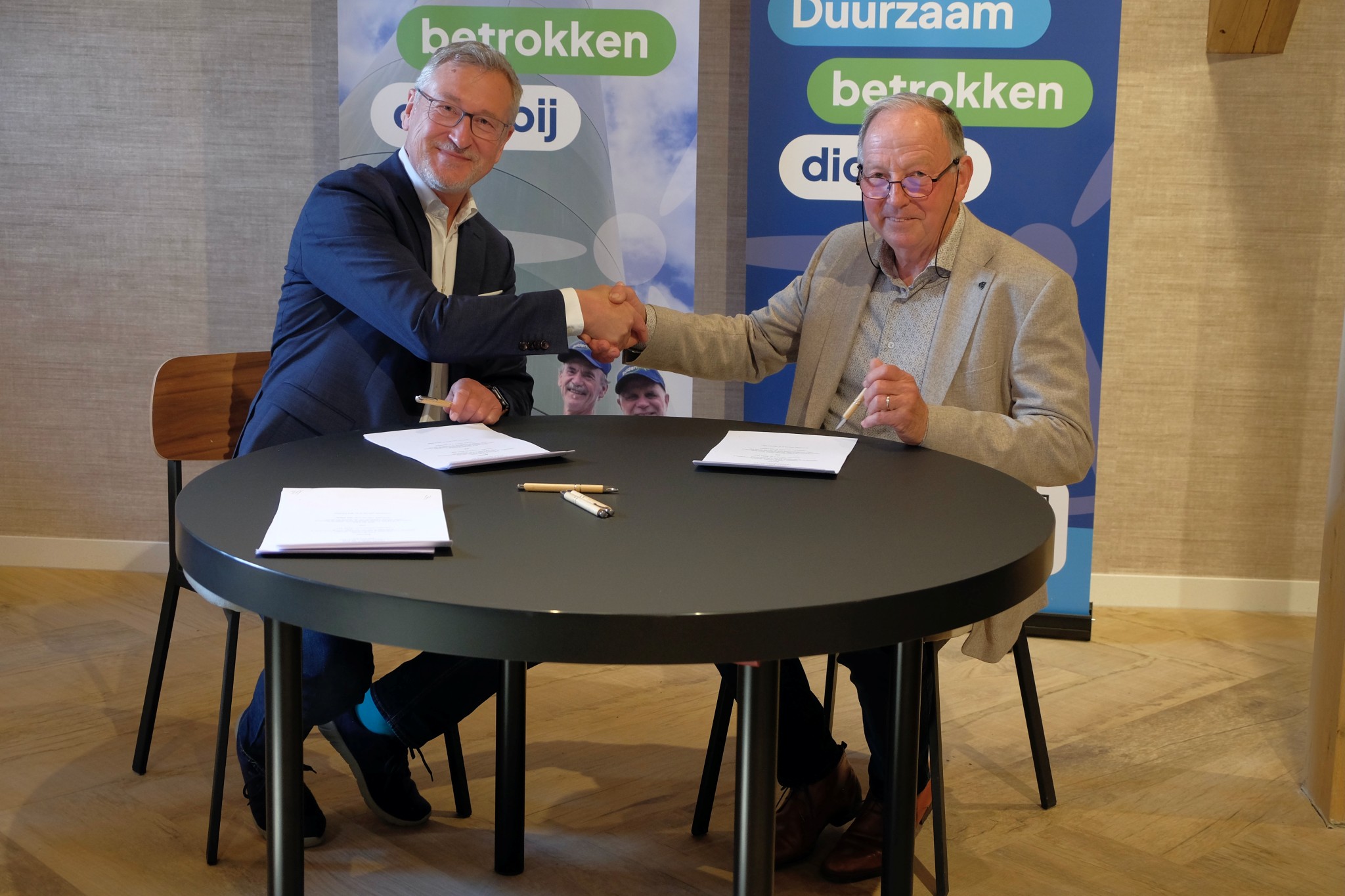
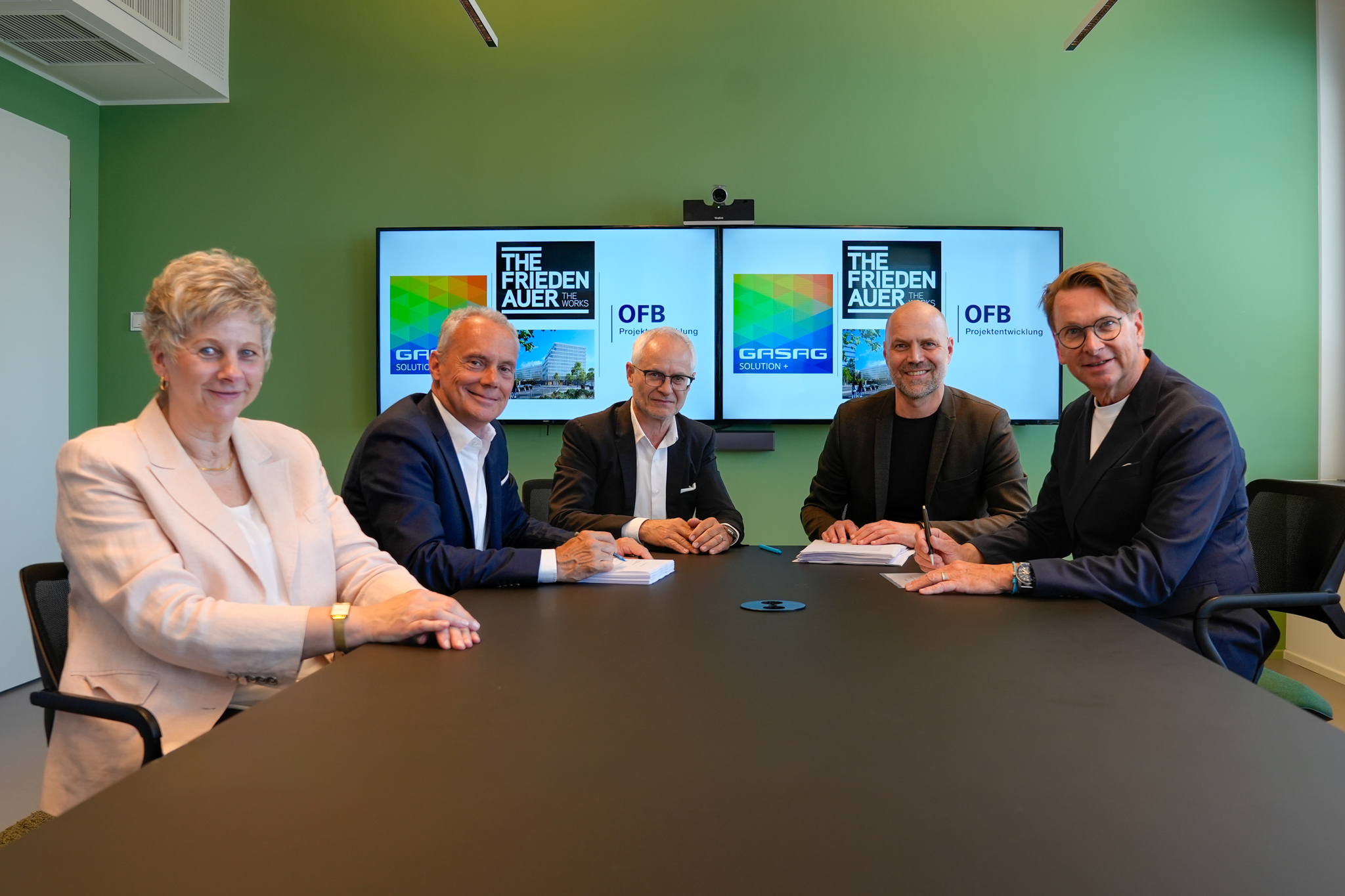
From the left: Tobias Heyen, Head of Origination Germany, ENGIE; Katharina Fegebank, Second Mayor of Hamburg & Senator for Environment, Climate, Energy and Agriculture; John Diklev, founder and CEO, Flower; Rolf Strittmatter, CEO, Hamburg Invest.
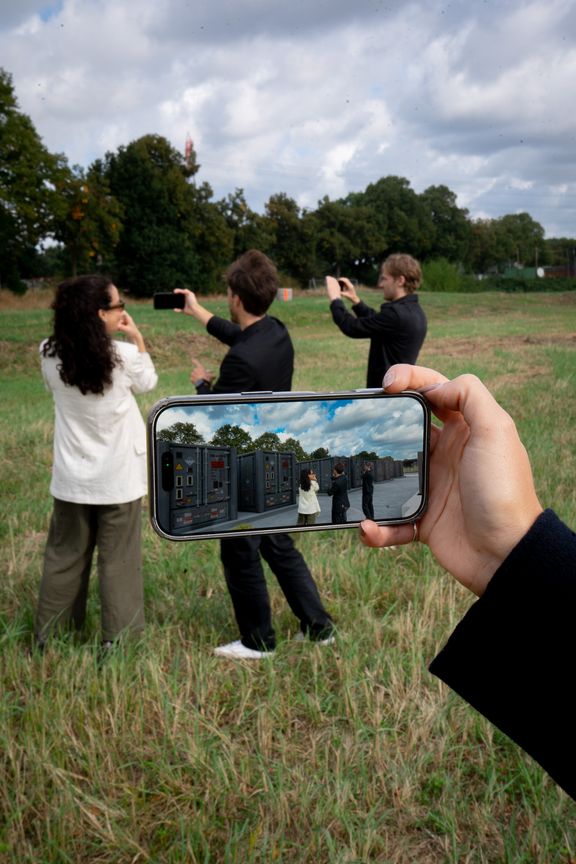
On September 9, project partners and stakeholders alongside policy and business representatives from the Hamburg region came together in Bergedorf to mark the start of construction of Flower’s 100 MW / 400 MWh BESS project. The system will be Hamburg’s largest battery storage facility and, to the best of current knowledge, the largest BESS located within a major German city.
The four-hour system is expected to help stabilize the electricity grid, enable more efficient use of renewable energy, and better integrate peaks in wind and solar generation into the energy system. In doing so, the project represents another tangible step forward in the energy transition.
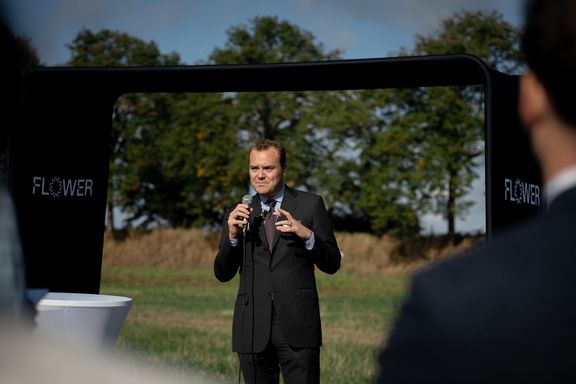
“We are thrilled and honored to begin construction on this next chapter for Hamburg’s and Germany’s energy system. I’m grateful for the support of Bergedorf district, Hamburger Energienetze, ENGIE, Hamburg Invest, and all our other key partners in bringing this project from idea to construction,” said John Diklev, founder and CEO of Flower.
Large-scale battery storage systems of this kind are becoming an essential piece of infrastructure as energy supply becomes more variable. They can shift electricity between periods of high renewable generation and periods of high demand, providing additional flexibility to power systems with growing shares of wind and solar energy.
For Hamburg, the project represents another building block on the path toward climate neutrality by 2040.
“We want to continue driving the energy transition forward in leaps and bounds and become independent of fossil fuel imports. To do this, we need smart solutions and companies that boldly invest in green, future-oriented energy sources,” said Katharina Fegebank, Second Mayor of Hamburg and Senator for Environment, Climate, Energy and Agriculture.
“Battery energy storage systems will be a key technology and are currently experiencing a massive global boom. The fact that Flower is taking advantage of Hamburg’s location benefits sends a clear signal to the business community: We are leading the way in Hamburg with a forward-looking energy policy.”
Hamburg Invest, the one-stop agency for relocation and investment in Hamburg, provided extensive support to the company in finding a suitable site and has supported the project through the key stages leading up to the start of construction.
Dr Rolf Strittmatter, Managing Director of Hamburg Invest, highlighted the project’s role in the context of the further development of Bergedorf as an innovation location and Hamburg’s business relocation strategy.
“With the start of construction by Flower, Bergedorf is further strengthening its position as a hub for innovation. It demonstrates how international investment and economic development can help drive the location forward,” he said.
Energy company ENGIE, Flower’s long-term project partner, is supporting the project through a Flexibility Purchase Agreement (FPA), also referred to as a virtual tolling agreement. Once the project becomes operational, ENGIE will support the commercialization of the BESS in the German energy market.
“This groundbreaking marks an important step for scalable flexibility infrastructure in Germany. Projects and partnerships like this can help address the four priorities that matter most for industry: energy prices, security of supply, decarbonization, and competitiveness,” said Tobias Heyen, Head of Origination Germany at ENGIE.
Flower and its progress in Germany
The Hamburg battery storage project will be Flower’s largest internally developed BESS project to date. Across Germany, the company is developing several other large-scale BESS projects ranging from 6 MW to 100 MW, with its first German assets set to be commissioned in early 2027. Its publicly announced German BESS portfolio currently totals more than 300 MW.
In its native Sweden, Flower owns four operational BESS sites with a combined capacity of 63 MW, with three additional internally developed projects totaling 70 MW set to become operational by the end of 2026. Furthermore, the company manages the country’s largest portfolio of flexible energy assets – from BESS facilities to wind farms – leveraging its proprietary AI-powered optimization software to optimize and trade these assets across energy markets.
The company is also developing large-scale battery projects in the Netherlands, France and Belgium, building a multi-GWh development pipeline across Europe.