Private debt bridges the gap between equity and bank financing and has established itself as an attractive alternative to equity investments for institutional investors.
A joint study by RheinMain University of Applied Sciences and CAERUS shows that real estate debt is a growth market, but currently accounts for only 1.6% of portfolios. Around a third of investors want to expand their commitments, with the risk-return profile being the most important driver.
The BF. Private Debt Market Sentiment Index stands at 59.7 points in the second half of 2026, well above the neutral mark. Financing conditions are developing in favour of lenders, fundraising and LP commitments remain robust. Growth and acquisitions characterise the transactions.
A CBRE survey shows that 71 percent of lenders active in Germany are planning to grant more loans in 2026. Residential real estate remains in the lead, office rises to third place; Conditions improve slightly. 82 percent finance alternative segments, sustainability remains a key requirement.
Pegasus Capital Partners publishes the Private Debt Report 2026. The digital dossier bundles assessments by industry experts on private debt, mezzanine and whole loans and classifies the role of alternative financing in the real estate market. The report is available now.
A study by Ocorian Nordic Trustee shows: Disciplined infrastructure lenders prefer non-recursive project financing (33%) and mezzanine (32%); Senior debt with equity co-investment leads the way in terms of risk sharing (62%). Geopolitics strengthens local projects; hybrid and preferred equity structures are on the rise.
The Investitionsabzugsbetrag (§7g EStG) is a German tax incentive for small businesses and investors. It allows up to 50% of planned investment costs to be deducted up to three years in advance, improving liquidity, plus accelerated depreciation of up to 20% over five years.
Despite an increase in new business and a reduction in non-performing loans, sentiment among real estate financiers remains subdued in the first quarter of 2026. The new BF. Quarterly barometer value of -9.74 points reflects the cautious willingness to finance, influenced by the Iran conflict.
A white paper by PTXRE analyzes the impact of geopolitical tensions, especially in the Middle East conflict, on commercial real estate financing in Germany. It is expected that not key interest rates, but higher risk premiums and stricter credit standards will be the main drivers.
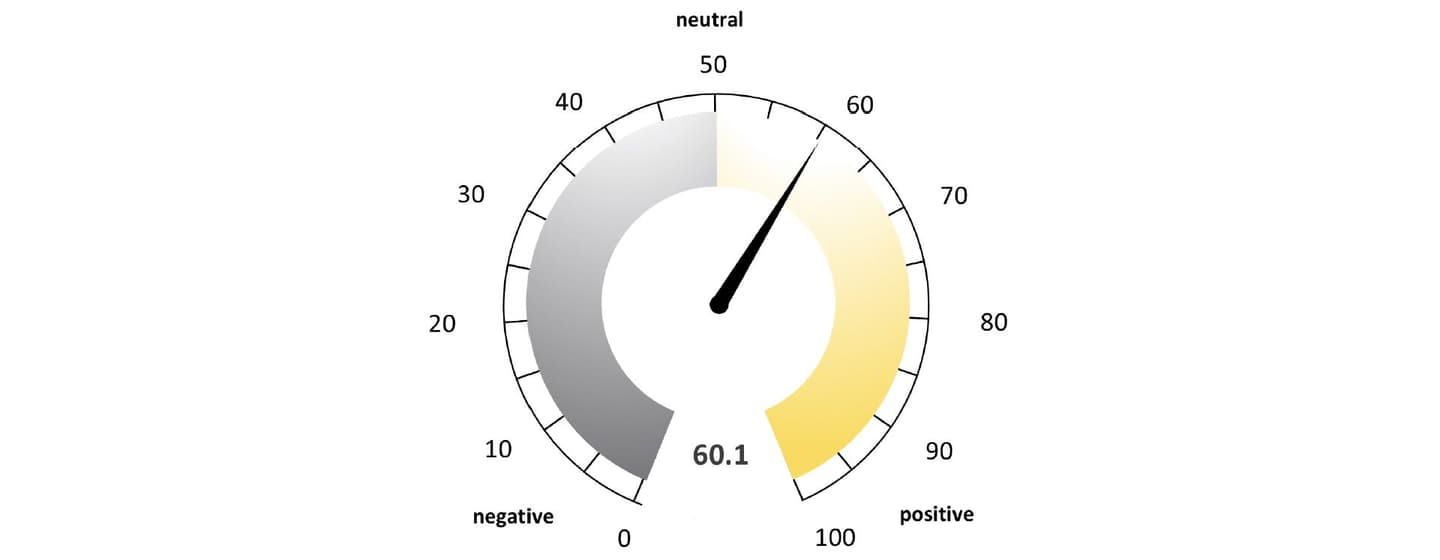
BF.capital has awarded the first BF. Private Debt Market Compass, which signals positive momentum in the private debt market. The new sentiment index reached 60.1 points and indicates strong fundraising momentum as well as increasing capital commitments.
Digital and clean power infrastructure are both expanding rapidly, driven by artificial intelligence (AI) adoption, cloud computing, and electrification. Our recent research paper explains why we believe these trends can create structural growth opportunities for investors and ...
The European hotel real estate market will show structural maturity in 2026, characterized by stable interest rates and a selective willingness to invest. Key influencing factors are operator structures and financing models.
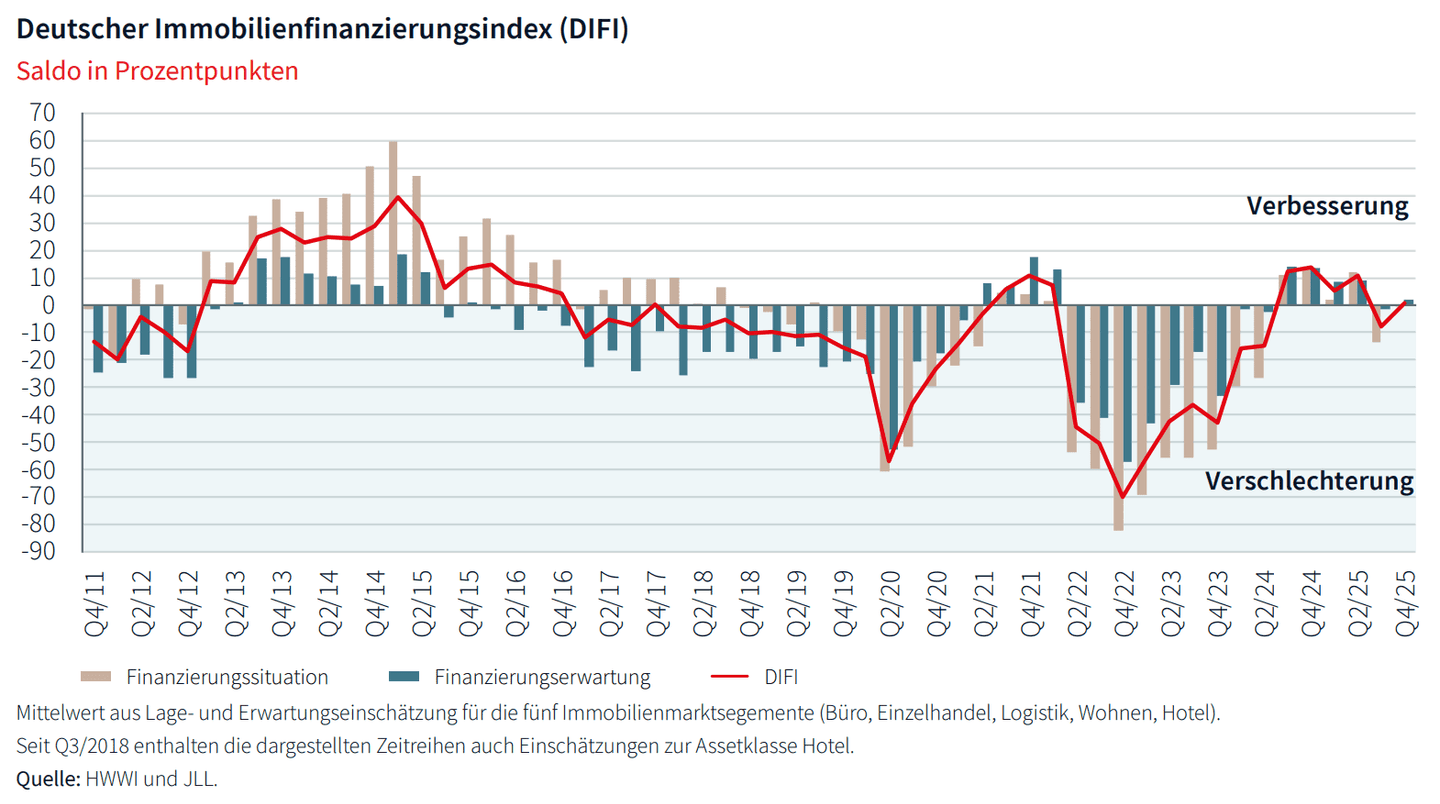
Sentiment among real estate financing experts improved at the end of 2025, with the German Real Estate Financing Index (Difi) rising to 0.7 points. In particular, the current situation on the financing market is assessed more positively.


 Analysis
 Article
 Comment
 Discussion
 Infographic
 Interview
 News
News Podcast
 Quarterly
 Report
 Survey
 Video
Video Weekly