By the end of Q3 2026, the Berlin investment market will have raised around €1 billion, trailing behind Munich (€1.7 billion) and Hamburg (€1.2 billion). There is a lack of major deals (only one worth over €100 million and one worth over €50 million); the picture is characterised by many smaller transactions, with prime yields rising by 10 basis points.
The ‘Germany City Centre Study 2026/27’ confirms that restaurants and cafés are key strengths and attractions in city centres, scoring top marks and enjoying stable demand. The DZG is calling for better framework conditions to support this: flexible employment, less red tape and planning certainty.
A global Clearwater study of 250 senior executives at asset management firms reveals a sharp rise in risks: market, credit, liquidity and concentration risks are on the increase. The biggest concern for the next 12 months is technology/cyber risk. Reputational, ESG and competitive risks are also rising.
Rohrer Immobilien continues to view Munich as a stable property market. In the residential sector, value-add properties and conversions are in demand; in the commercial sector, the wheat is being separated from the chaff, with adjusted prices opening up opportunities. Quality, location and ESG compliance remain crucial.
The DAVE Market Report 2026/2027 shows that the German property investment market is recovering, with transaction volumes rising in many cities and across many asset classes. Residential property acts as an anchor of stability; in the office sector, quality is key. Austria is still lagging behind in the recovery.
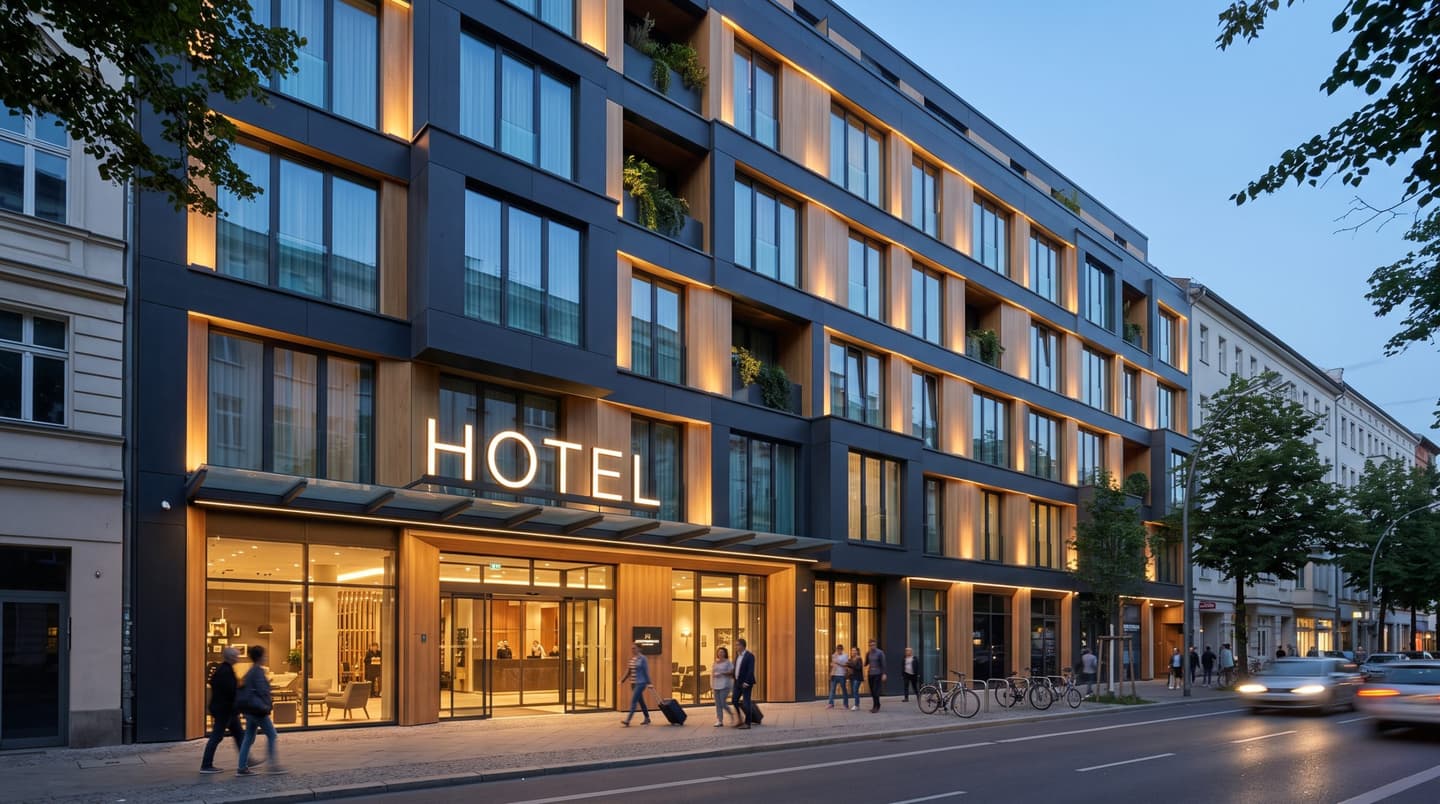
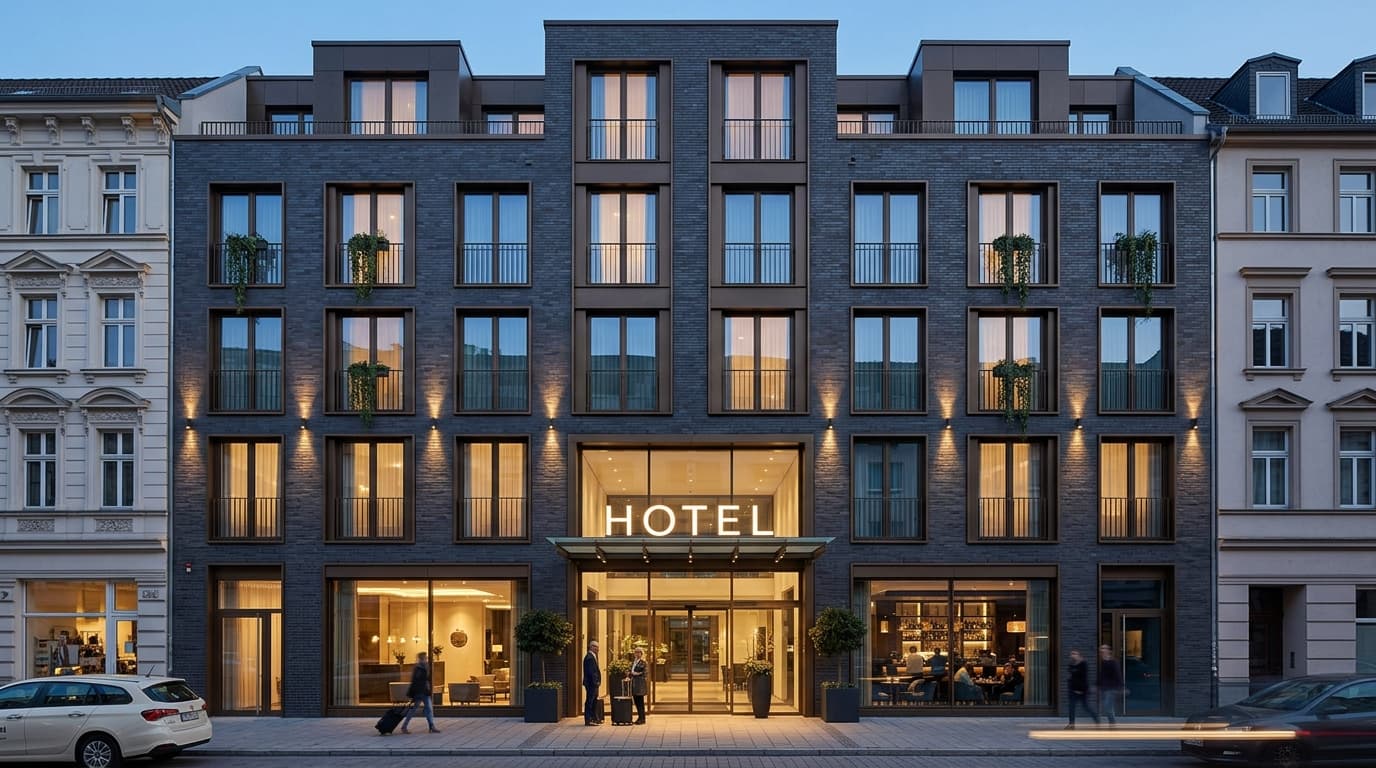
BNP Paribas Real Estate reports a hotel transaction volume of around €1 billion (–27 per cent) for Q1–3 2026, whilst the number of deals rose by 27 per cent – the highest since Q1–3 2022. Foreign investors accounted for approximately 48 per cent (≈€500 million). A total volume of around €1.5 billion is expected for 2026.
The German hotel investment market recorded a transaction volume of €1.01 billion (−33 per cent) in Q1–Q3 2026. Smaller transactions dominated, with value-add deals accounting for around 49 per cent. The prime yield stood at 5.25 per cent; stable demand (223.8 million overnight stays) is underpinning the market.
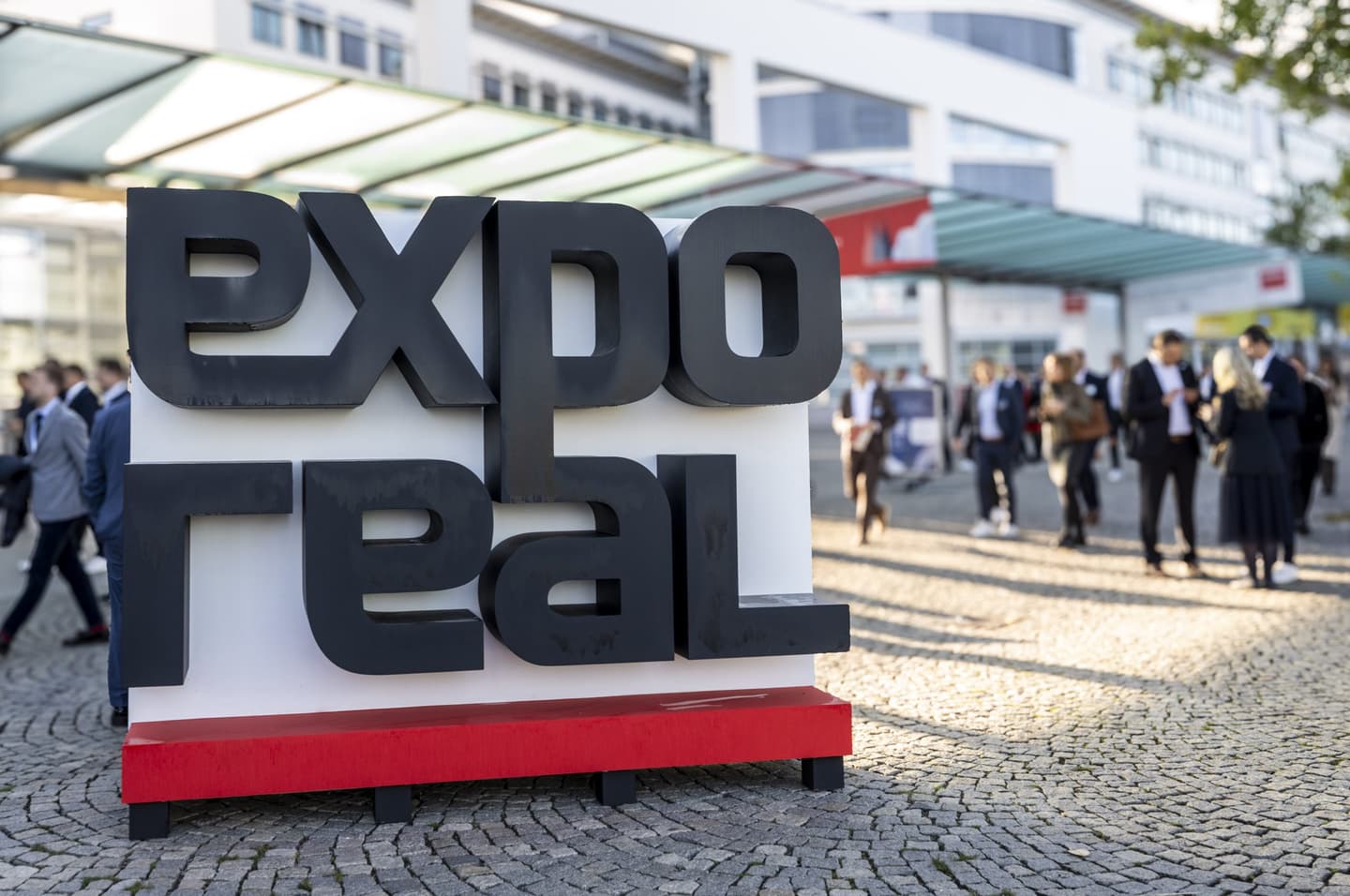
At EXPO REAL 2026, industry representatives paint a realistic picture: financing remains challenging, transactions are stalling, and the focus is shifting to the existing property portfolio. At the same time, many report constructive discussions and opportunities relating to energy, digitalisation and infrastructure.
Europe’s logistics tenants are increasingly demanding high-quality, high-performance space. According to the European Logistics Survey 2026, demand remains stable, decision-making processes are taking longer and many are optimising their portfolios rather than expanding. Electricity supply is becoming a key selection criterion.
A study by Ocorian shows that private equity fund managers are primarily opting for hybrid and evergreen structures when launching new funds. New distribution channels are driving the change; fee structures are becoming more performance- and tier-based. Inflows are rising, particularly from pension funds.
REALOGIS reports 332,000 m² of space taken up in the Berlin logistics property market for Q1–Q3 2026, of which 300,500 m² was warehouse space (-9% year-on-year). Rents remain stable: peak of €10.50/m², average of €8.10/m². Large-scale properties and existing assets dominate; key deals include JD Logistics and ASML.
Immigration is causing demand for rental accommodation in Europe to outstrip supply. In Ireland, there were only 1,777 rental properties available in February; in Lithuania, the number of foreign workers has risen from under 7,000 to 170,600 since 2020. Where there is a lack of institutional landlords, platforms such as InRento are set to fill the gaps.


 Analysis
 Article
 Comment
 Discussion
 Forecast
 Infographic
 Interview
 Monthly
 News
News Podcast
 Quarterly
 Report
 Survey
 Video
Video Weekly
 Whitepaper